Current
Rosemary Mayer, Ree Morton
Proserpina / Devil Chaser
Through November 1, 2026
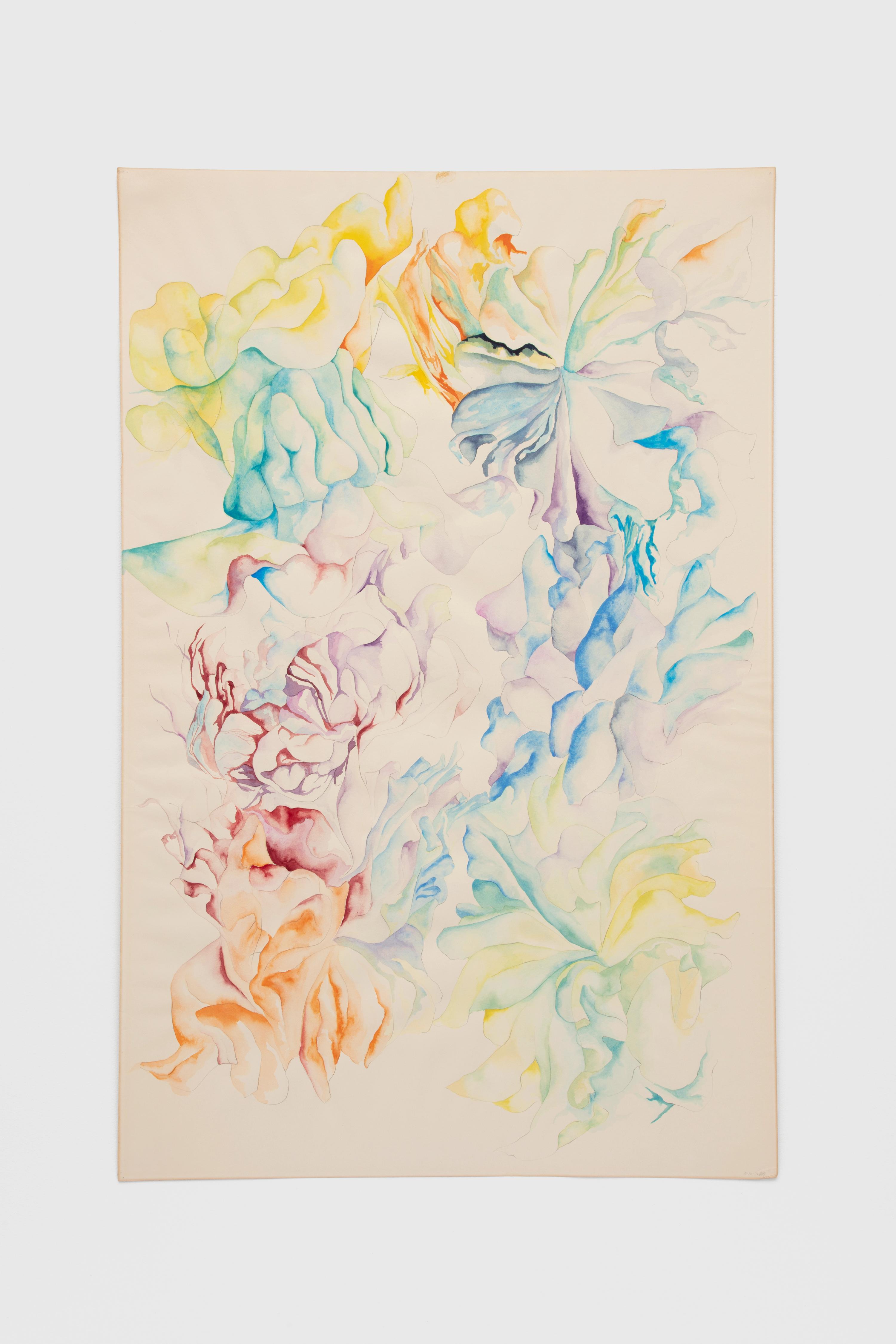
Flesh mixed with gowns like kneaded satin; this is the substance of flowers.
—Francis Ponge
It is impossible not to be dealing with cliché when drawing flowers. How to do it and let that show?
—Ree Morton
Go to the country to look at flowers. Overlapping whorls of color, transitory, spiraling.
—Rosemary Mayer
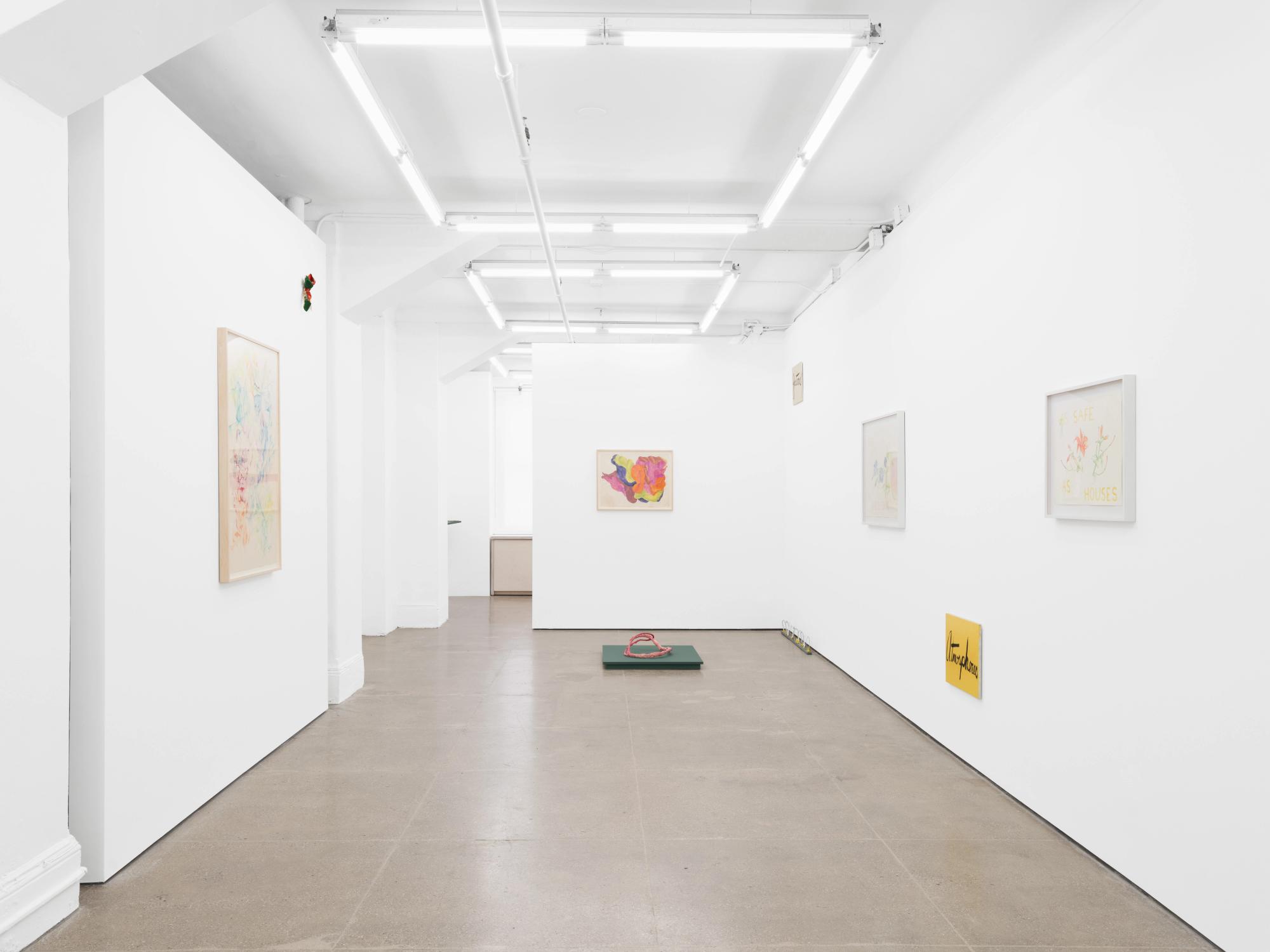
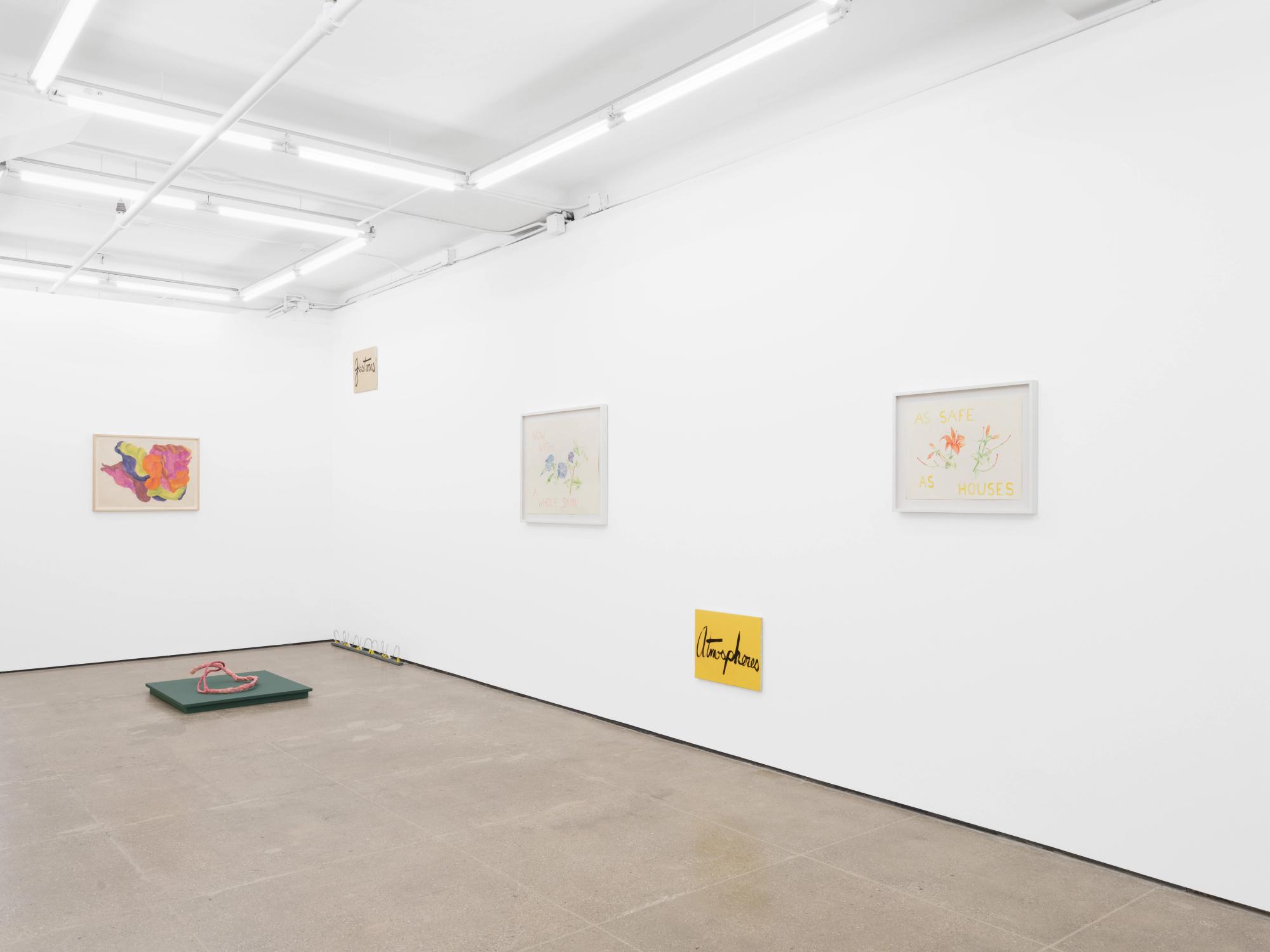
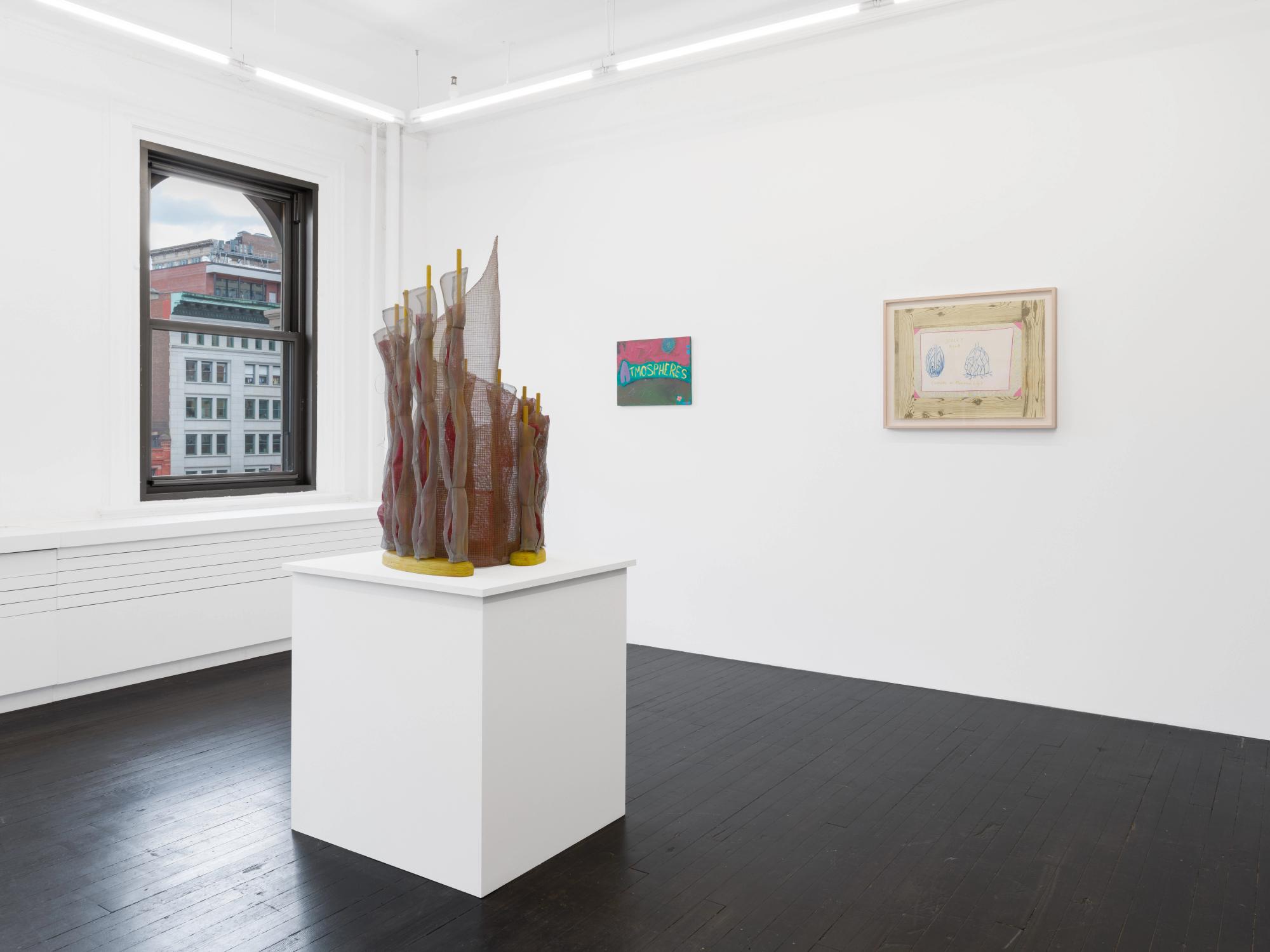
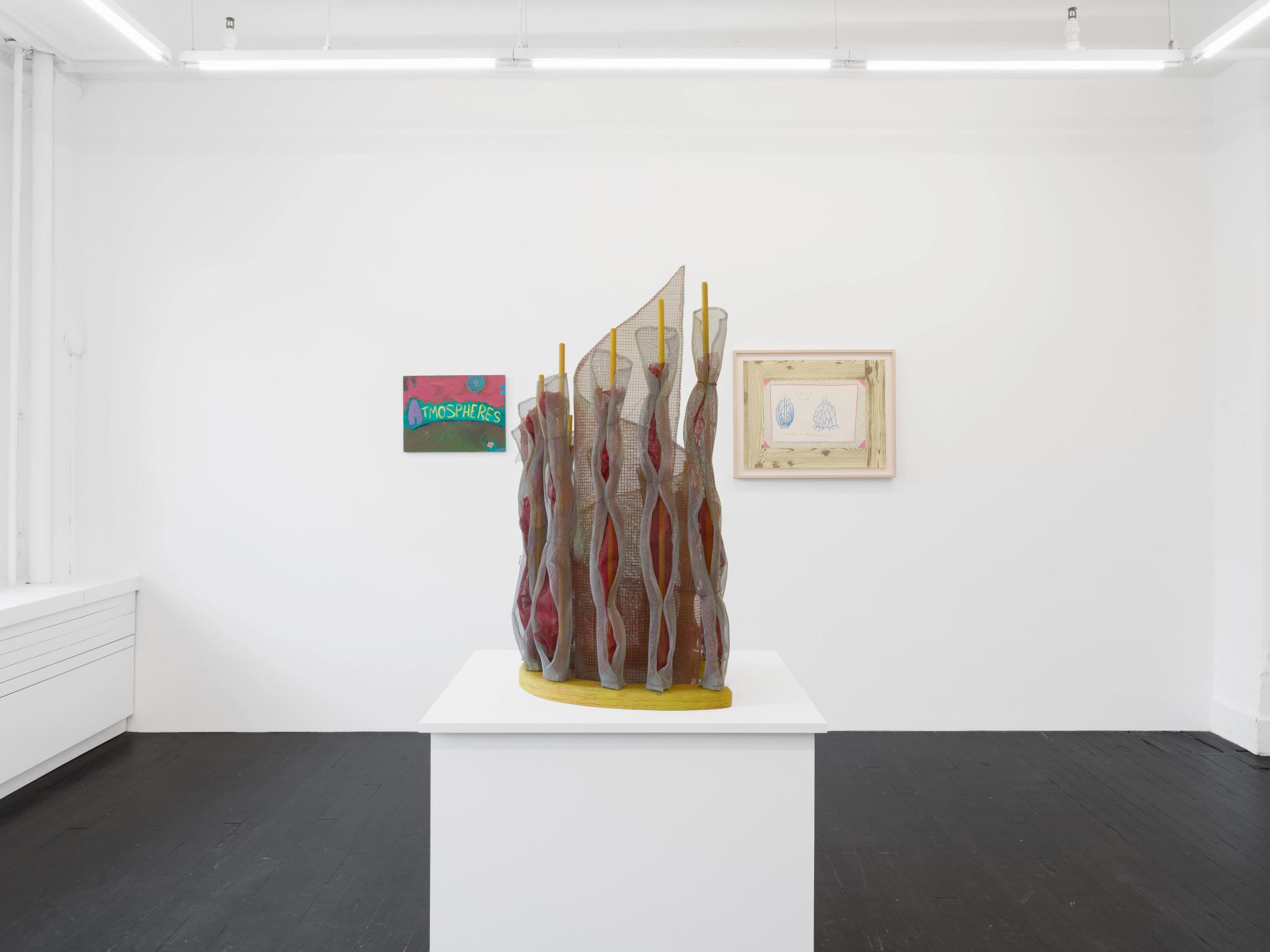
Proserpina / Devil Chaser: Rosemary Mayer and Ree Morton is the first two-person exhibition dedicated to the work of Rosemary Mayer and Ree Morton—groundbreaking artists who shared a friendship for several years before Morton’s untimely death in 1977. While closely associated with the feminist art movement and Post-Minimalism, their radical, multidisciplinary practices exceed these categorizations. Inspired by a wide range of overlapping interests including Baroque and Rococo art, language, memory, and the natural world, Mayer and Morton developed their own distinct material and conceptual vocabularies and embraced hybridity, decoration, allegory, theatricality, kitsch, and biography as critical forms.
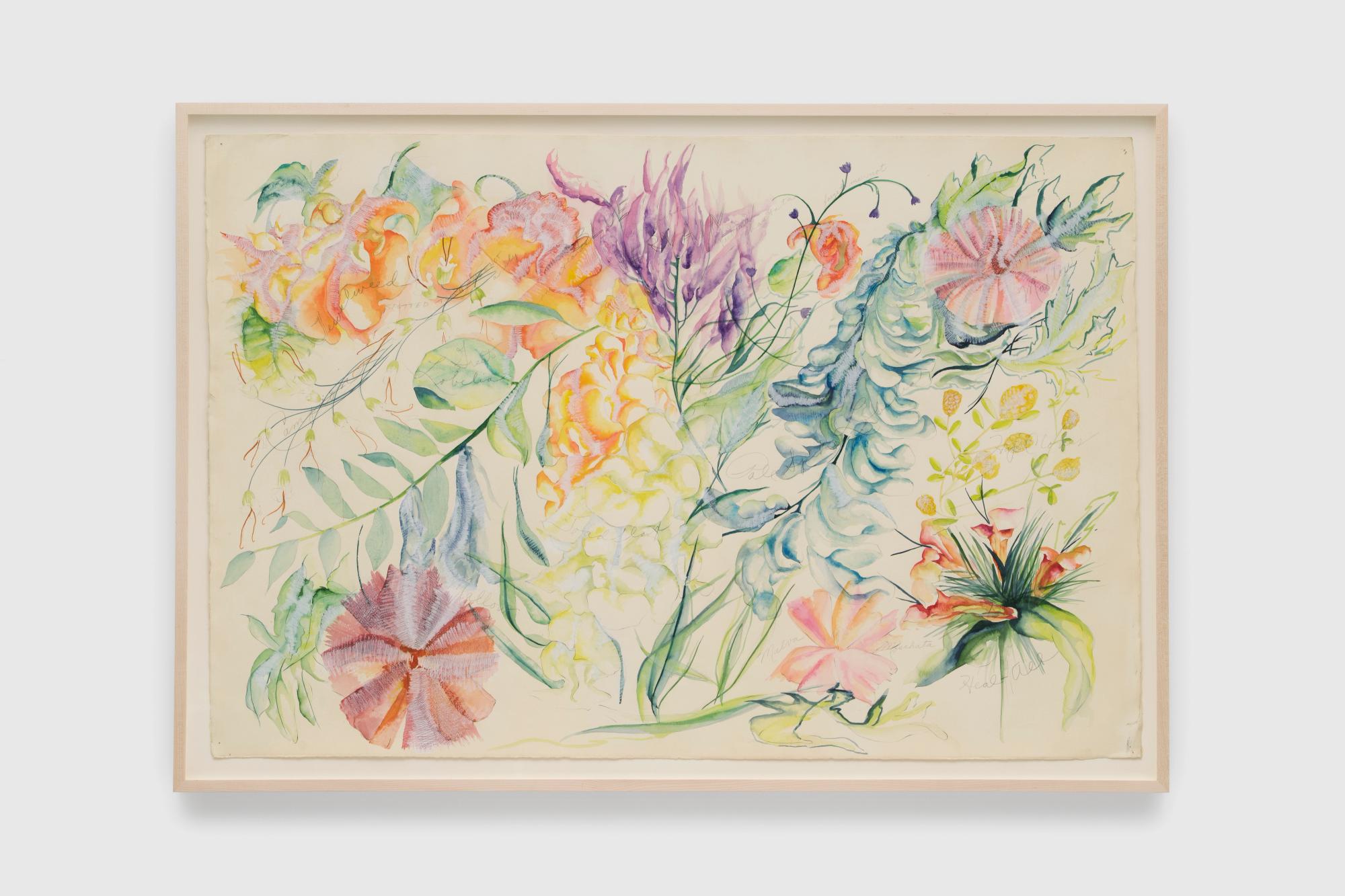
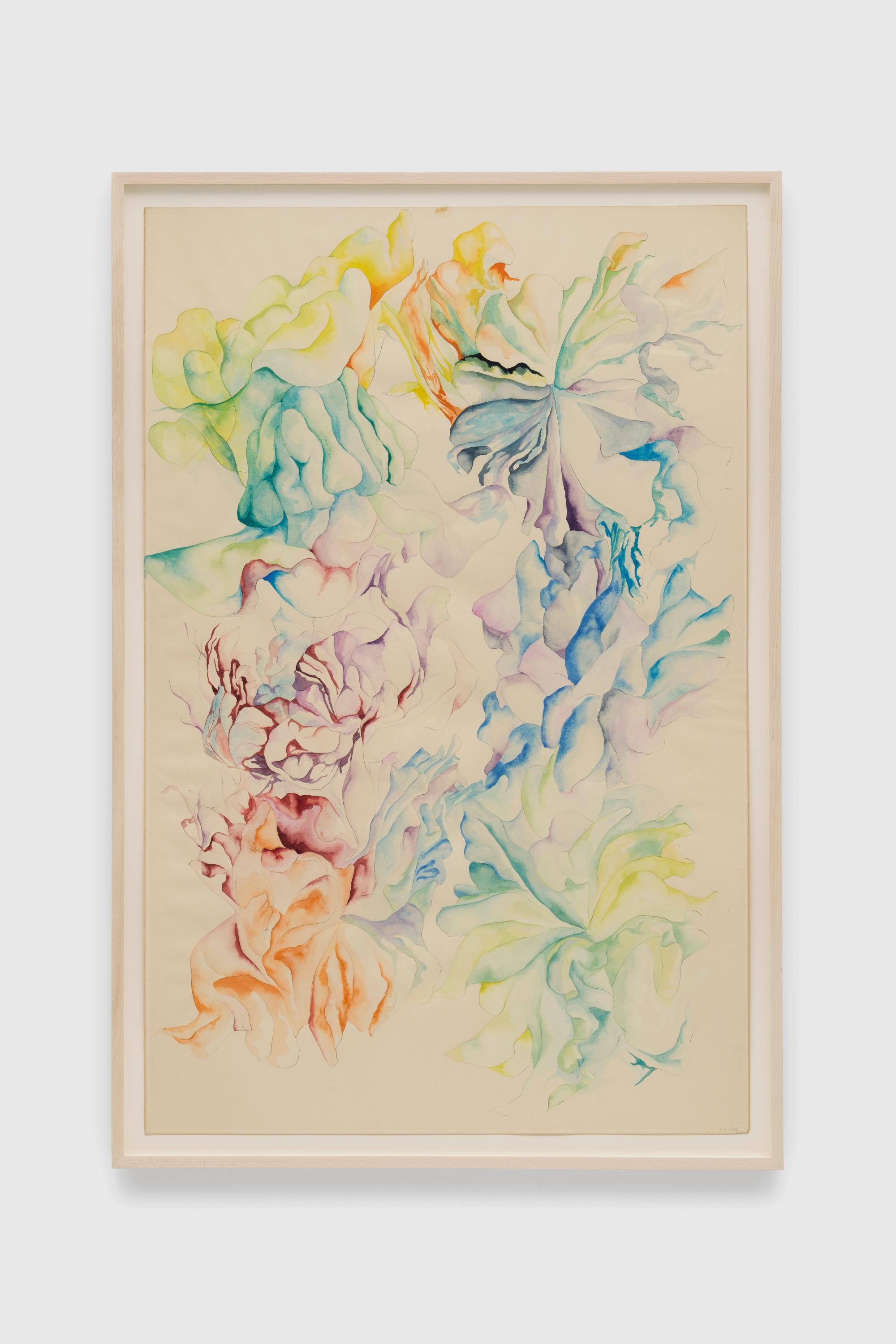
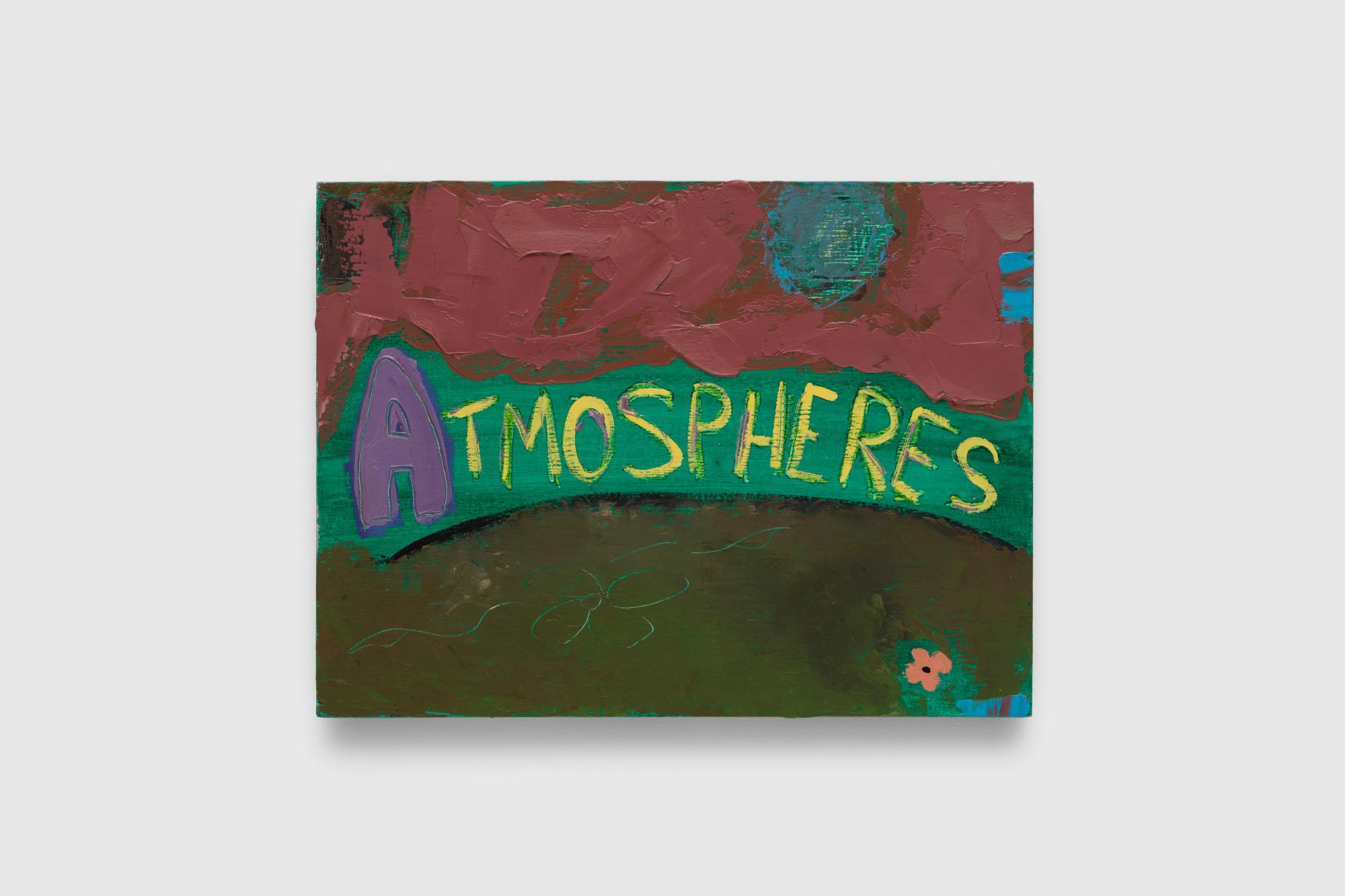
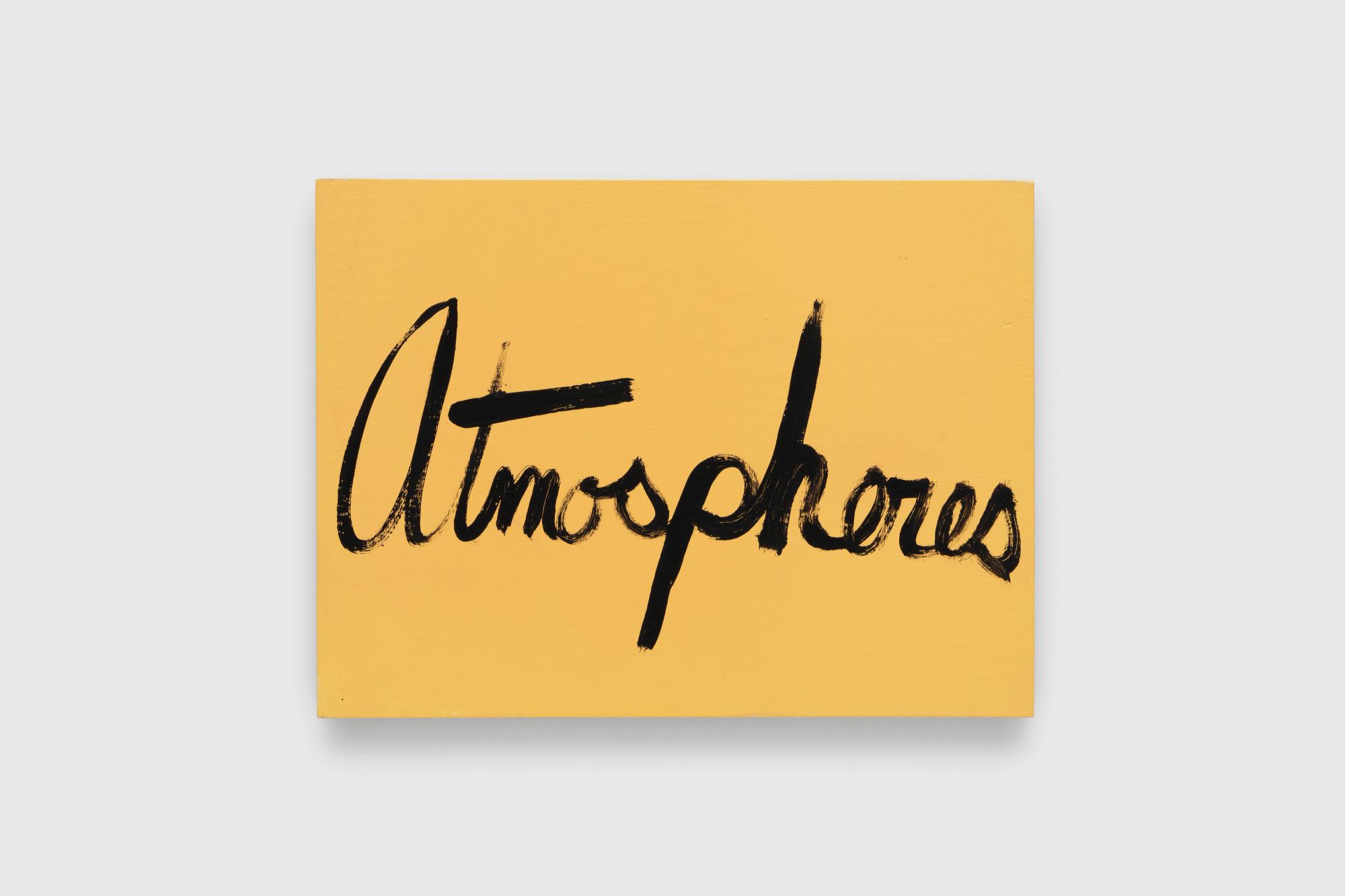
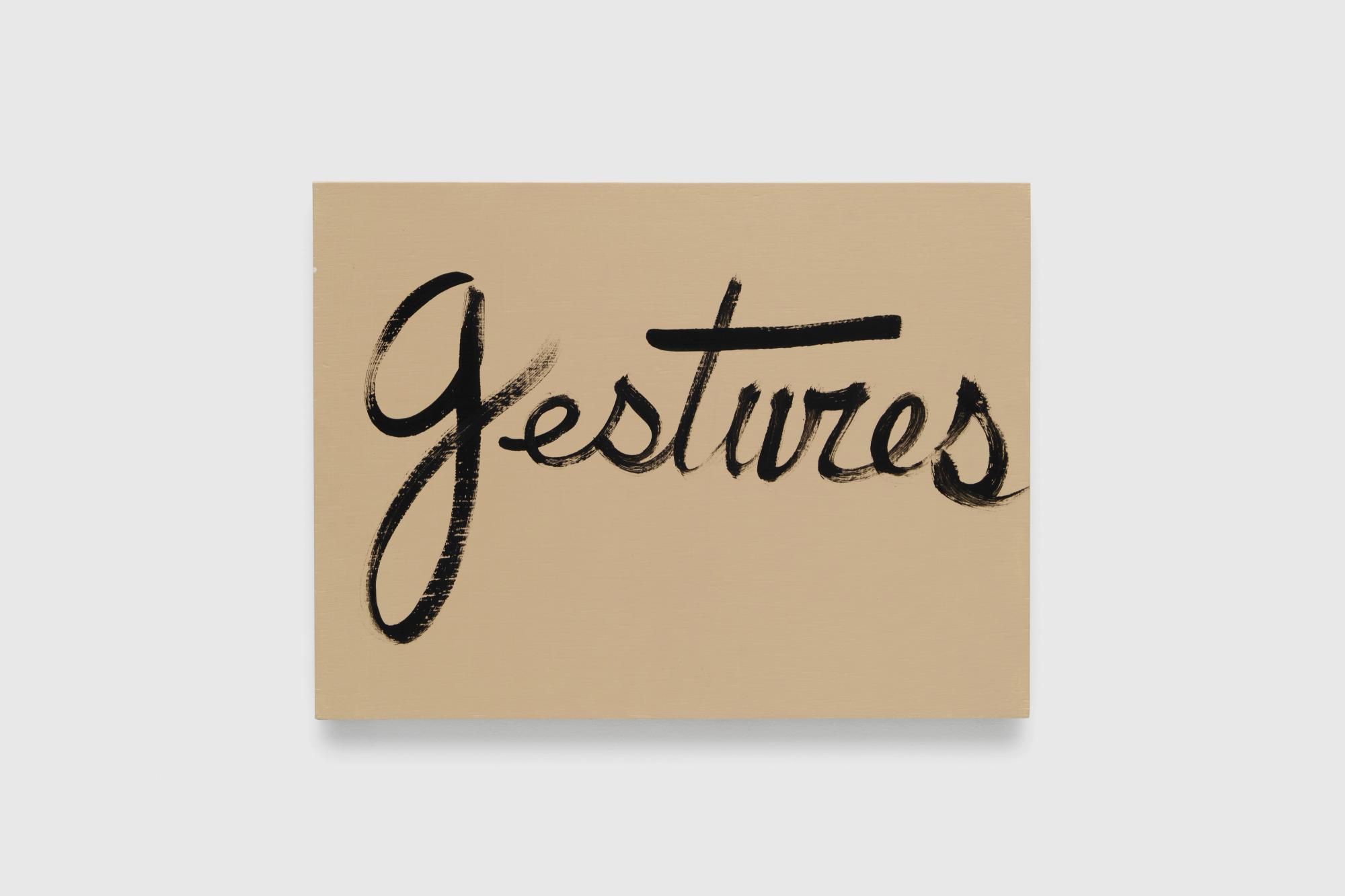
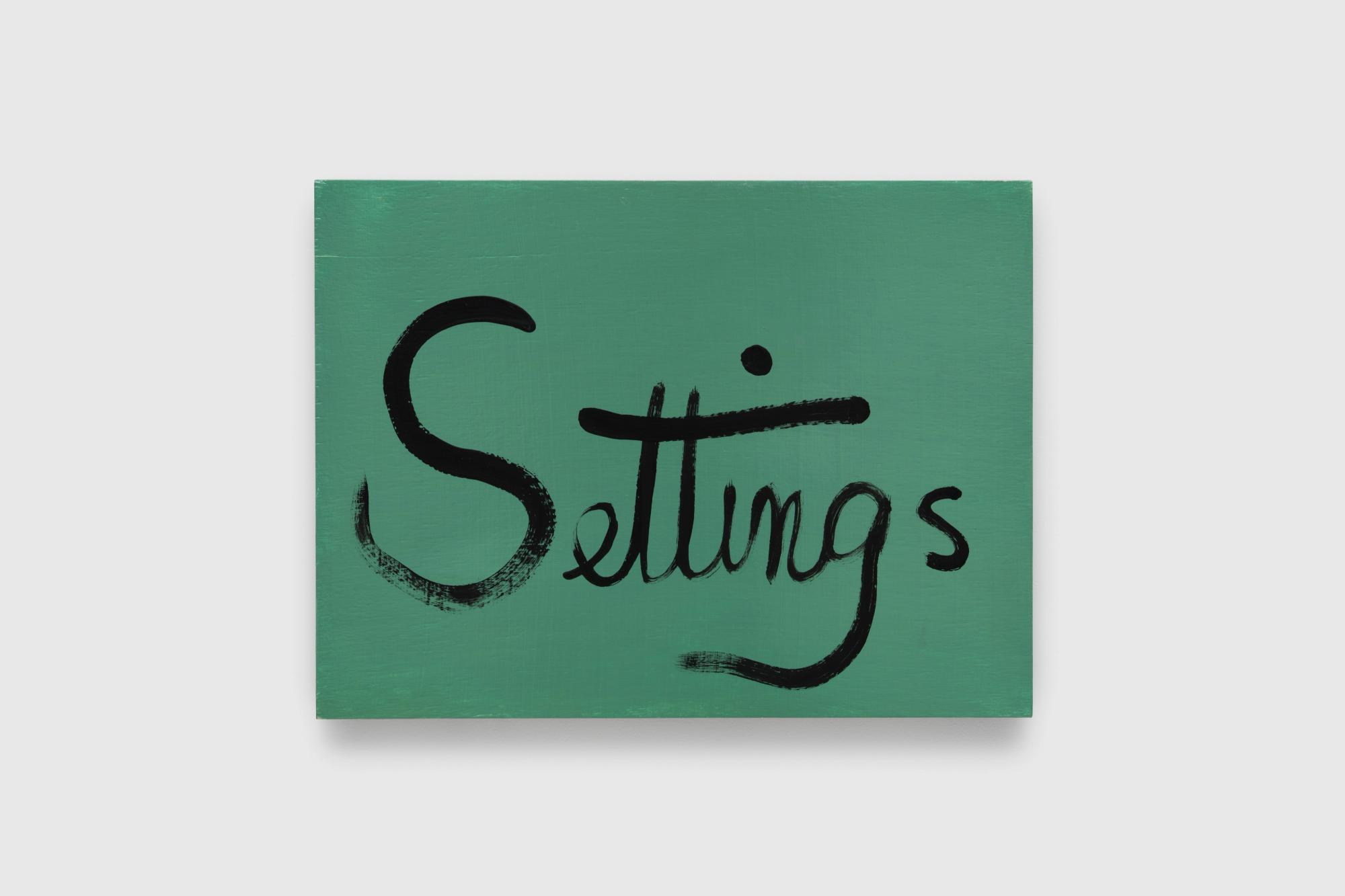
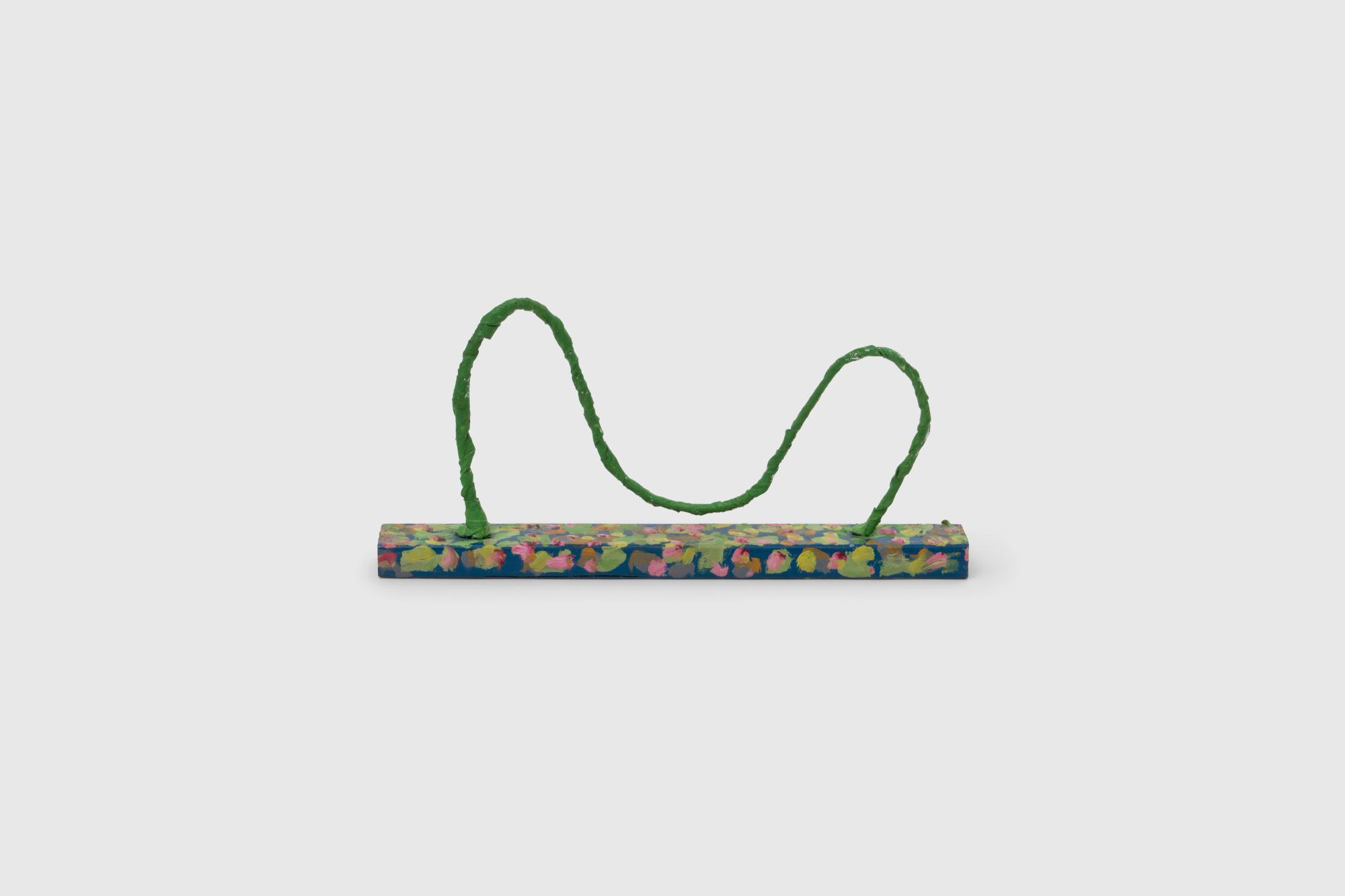
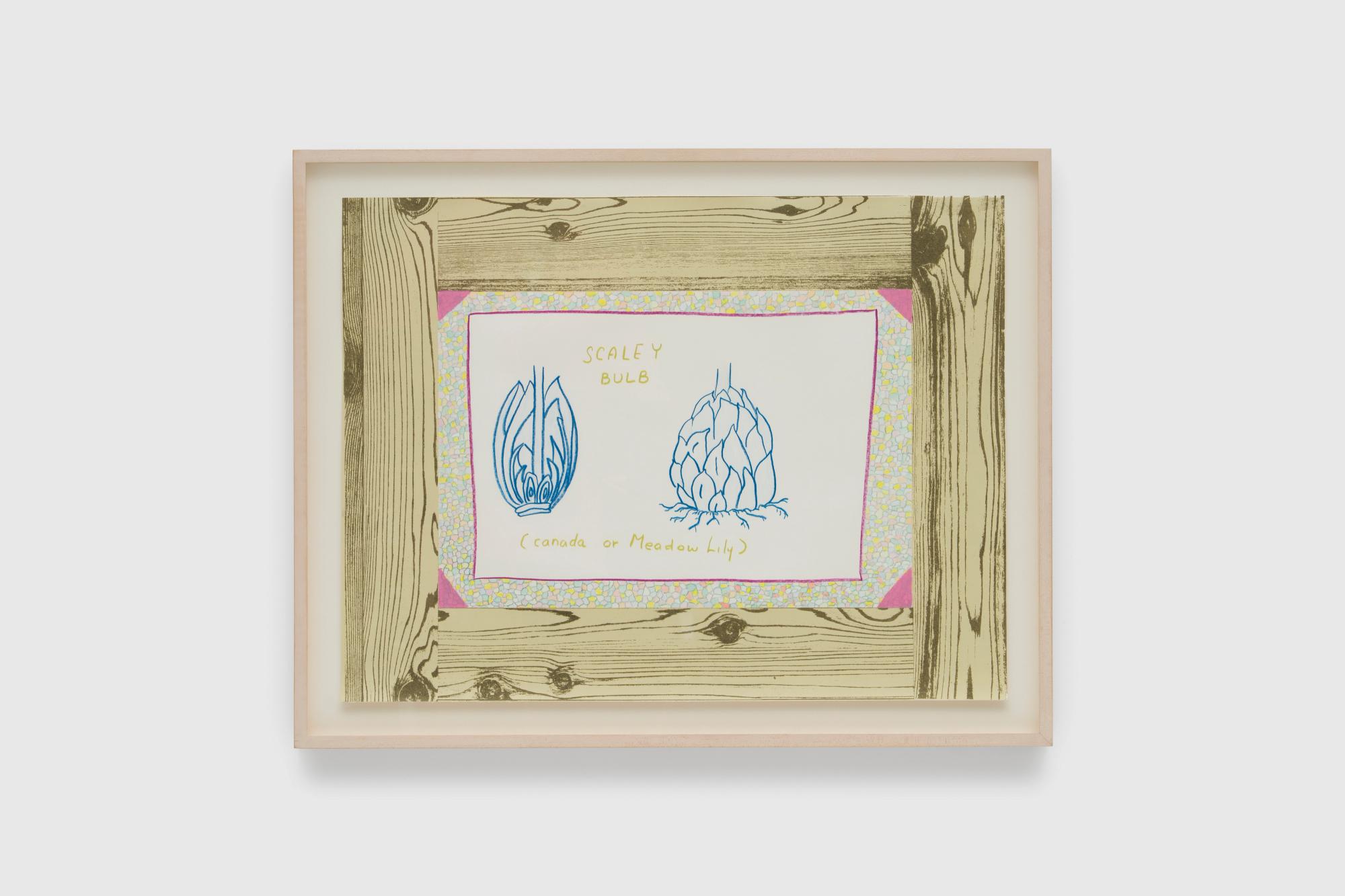
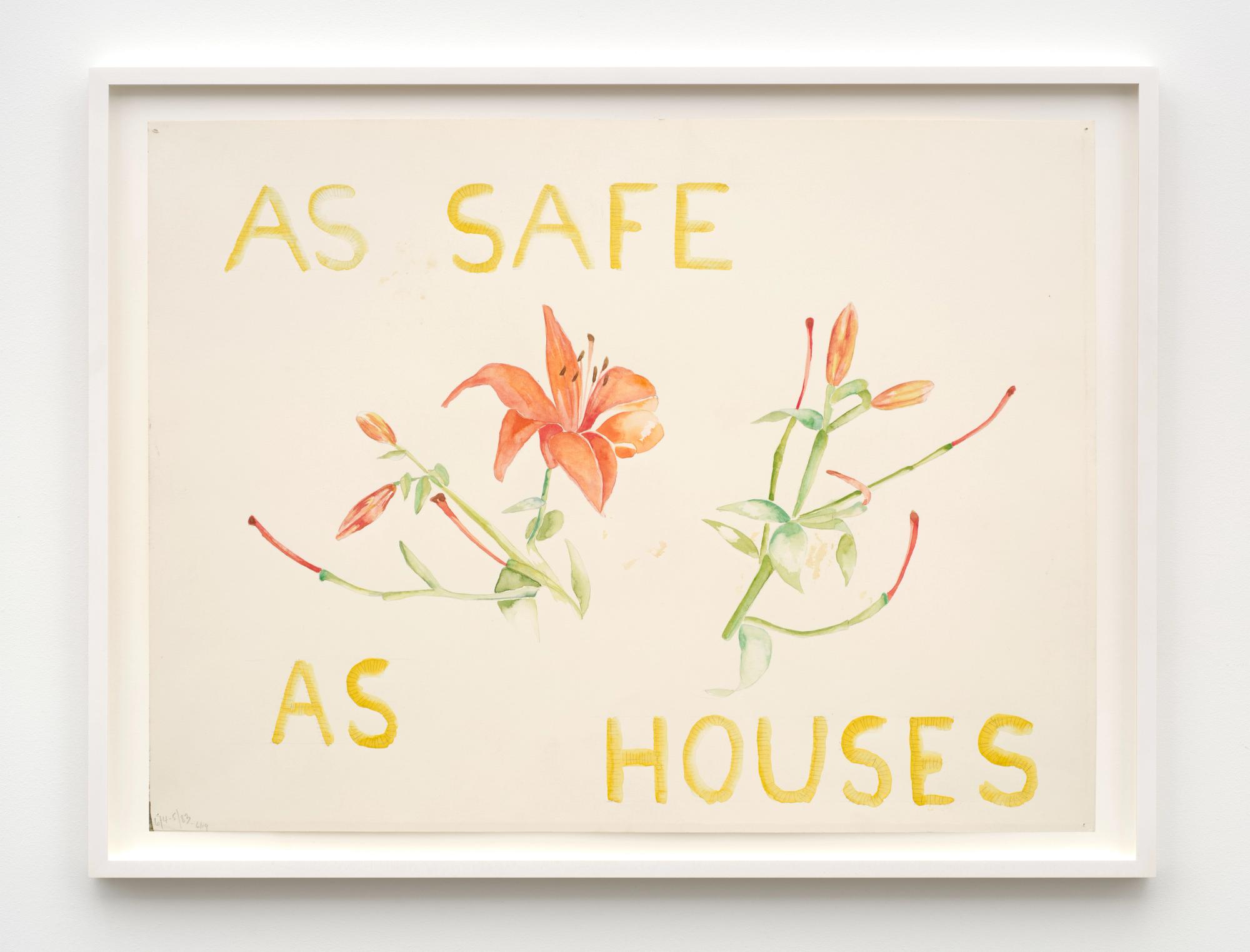
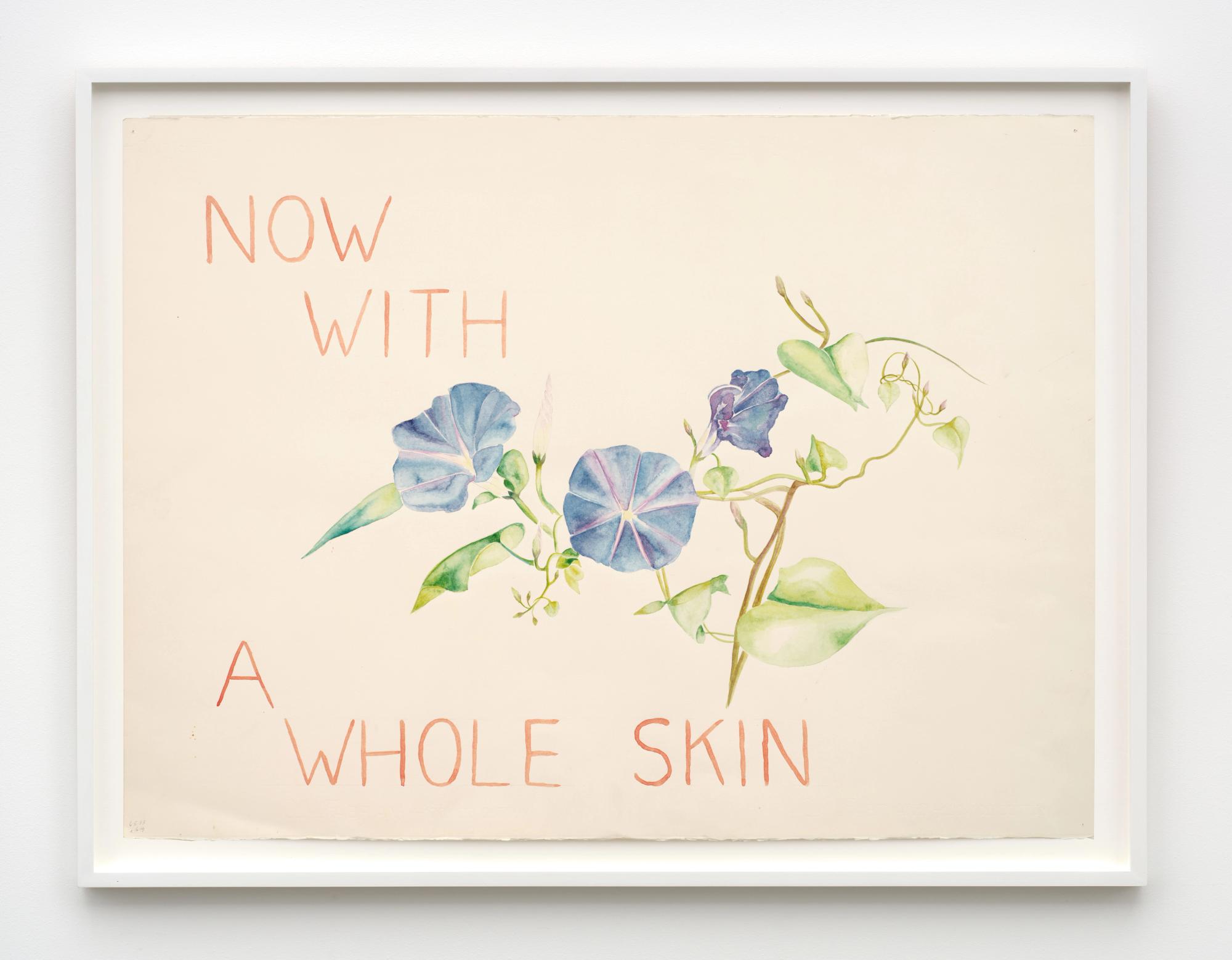
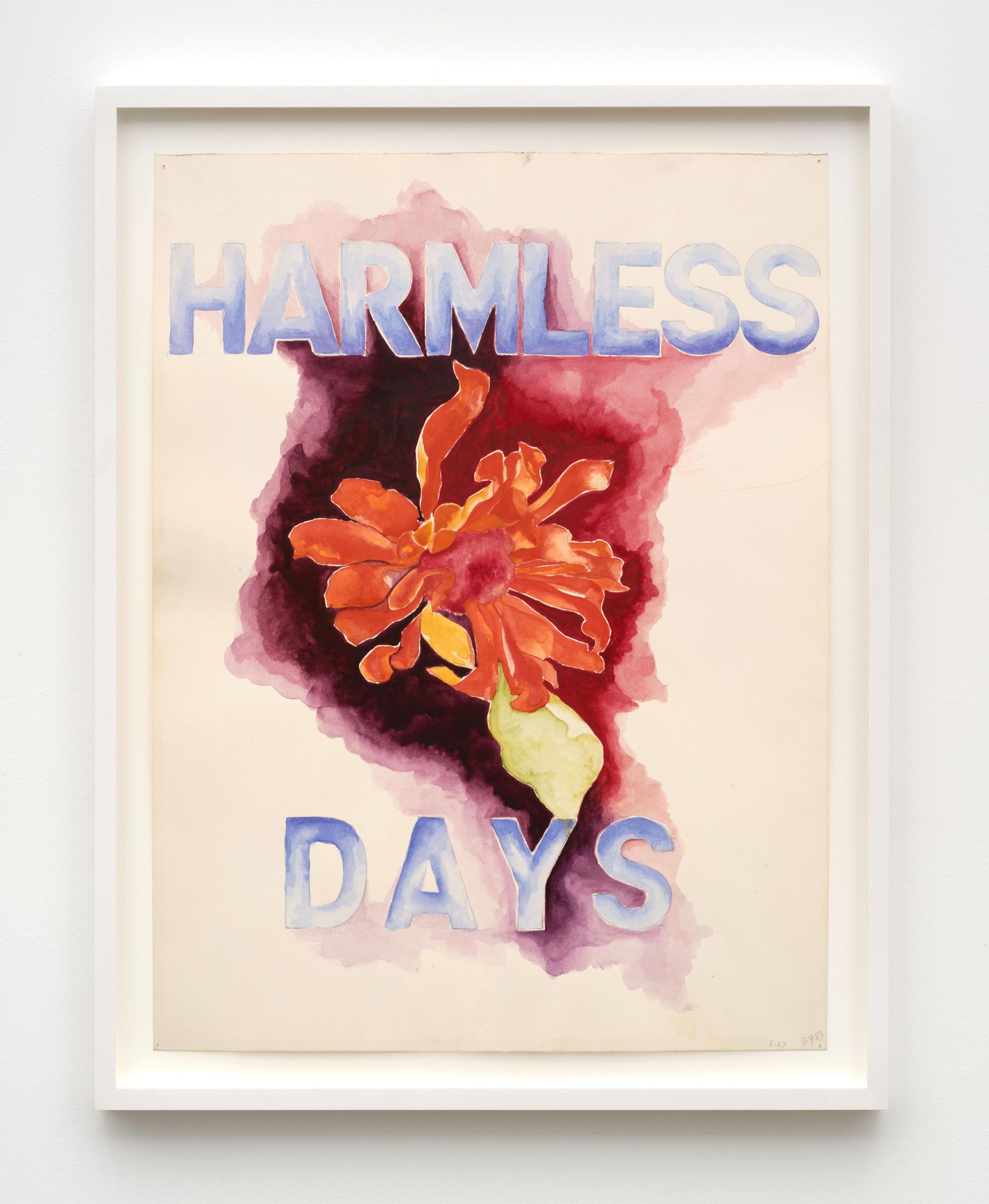
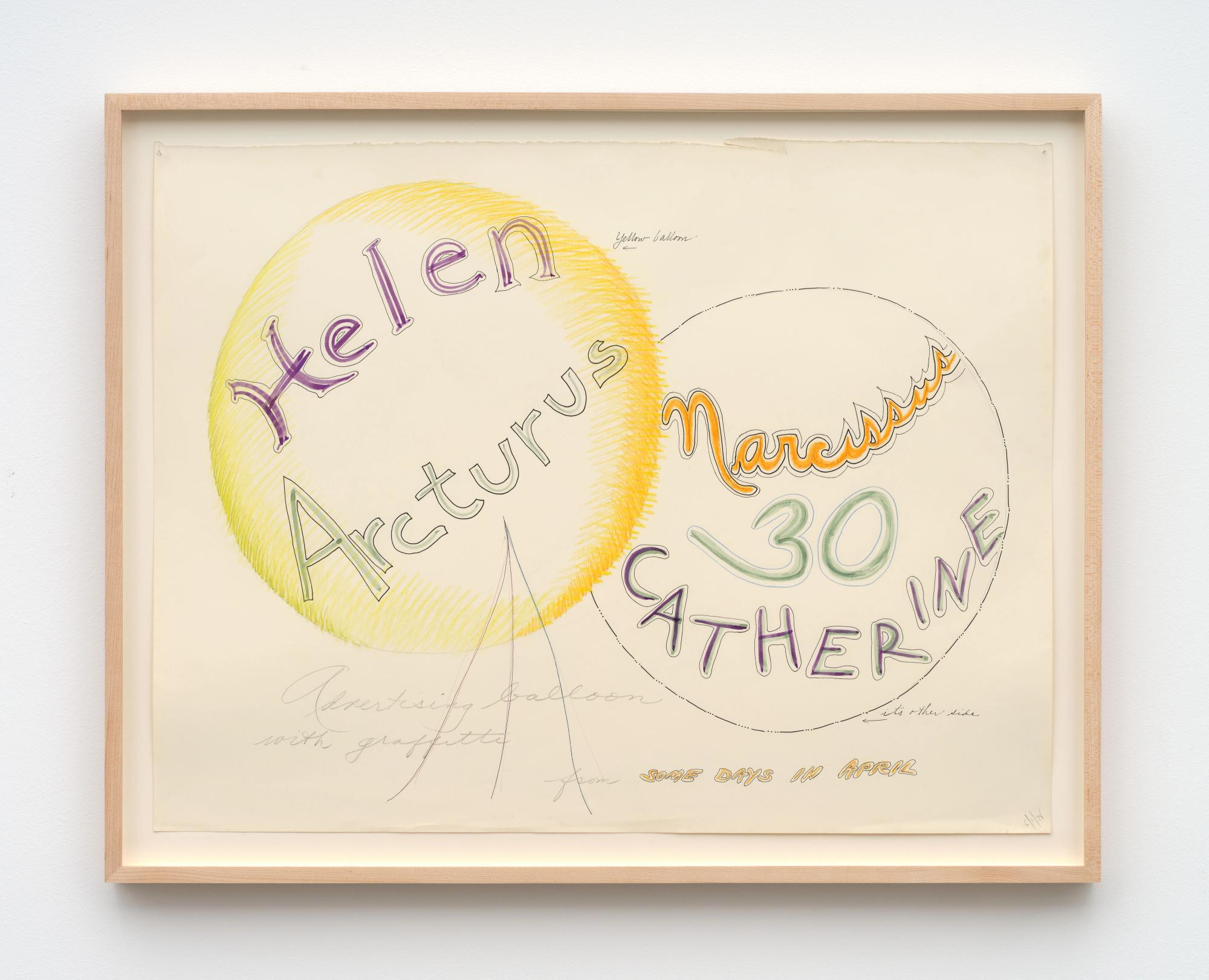
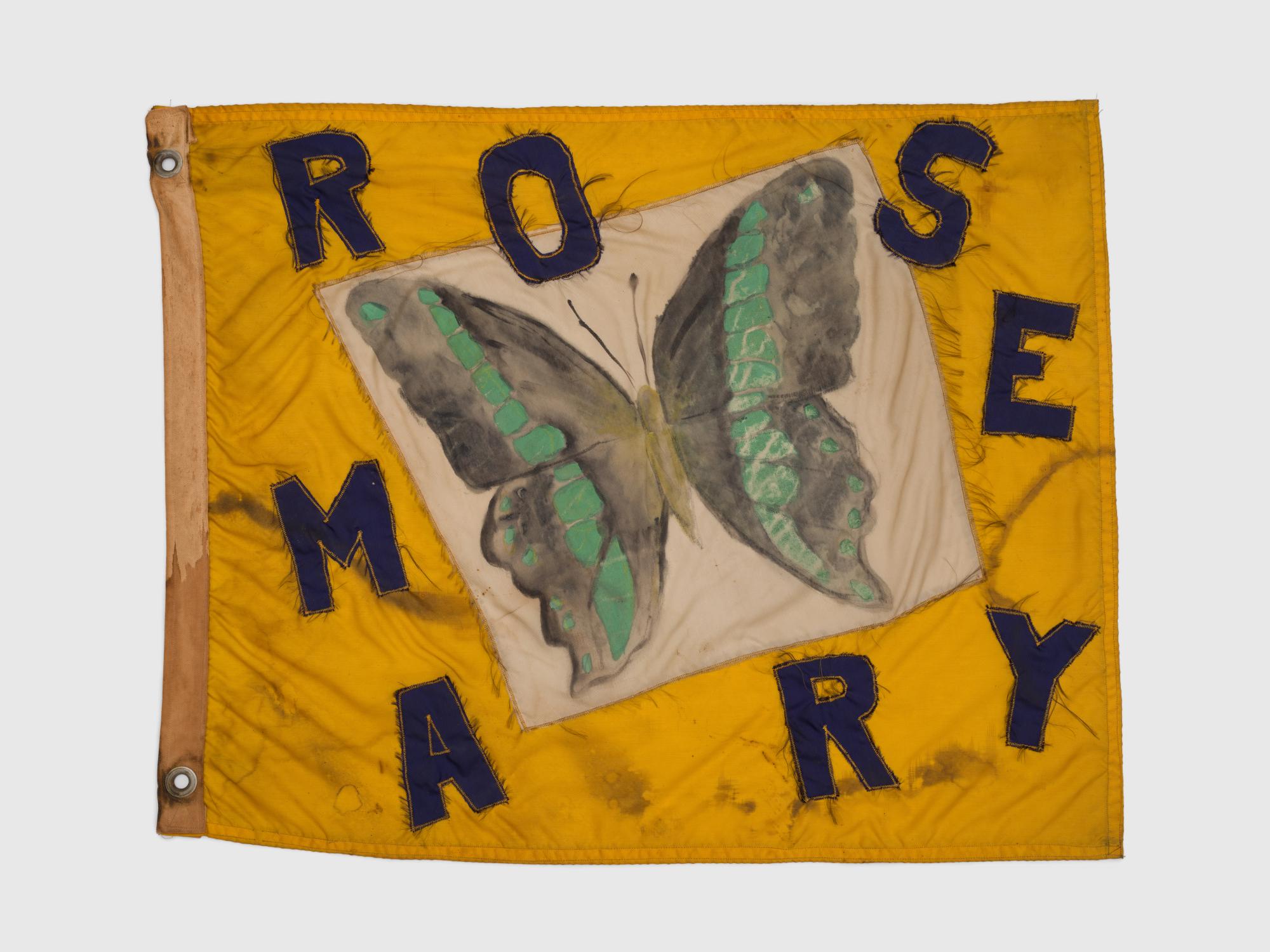
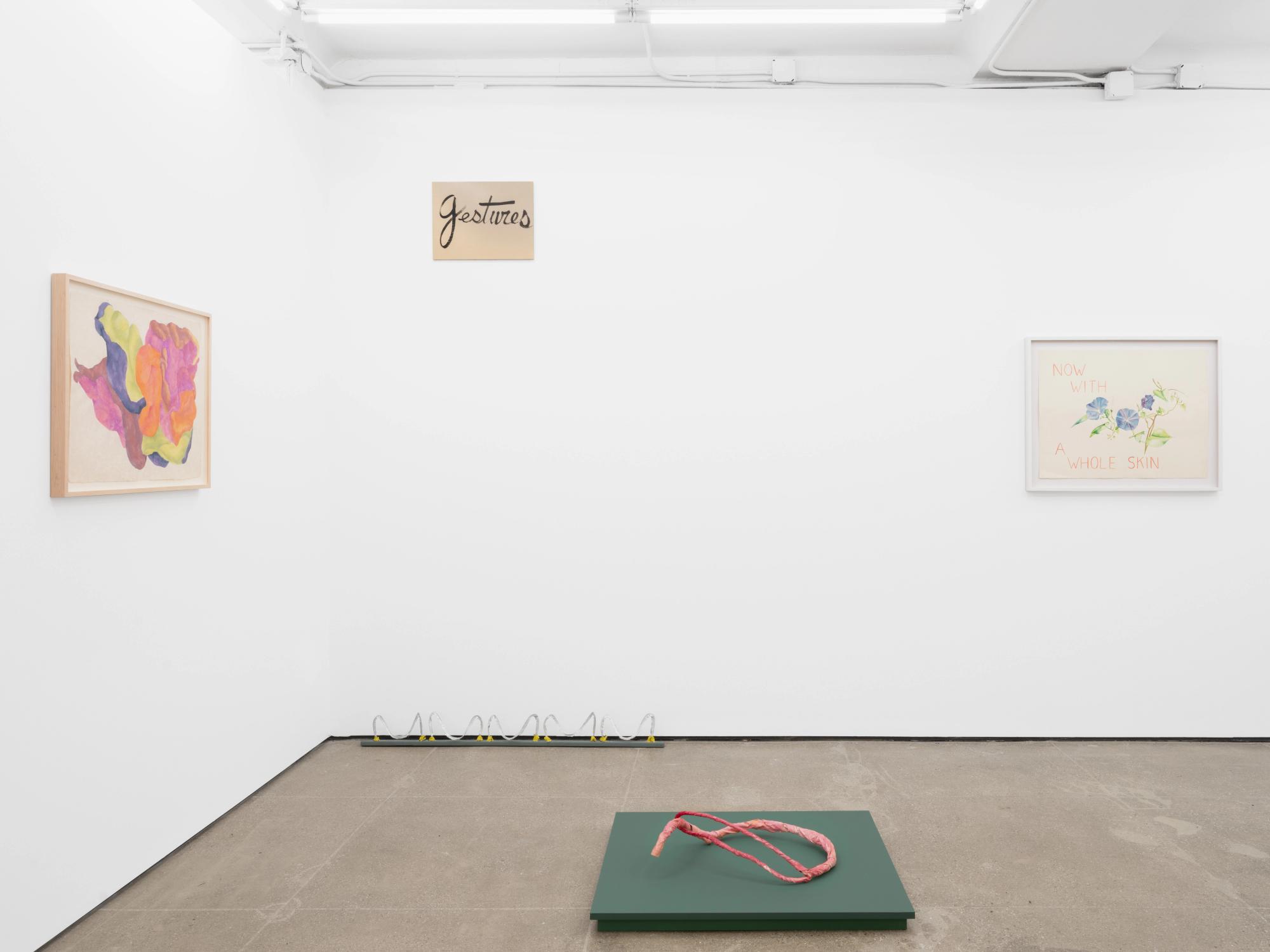
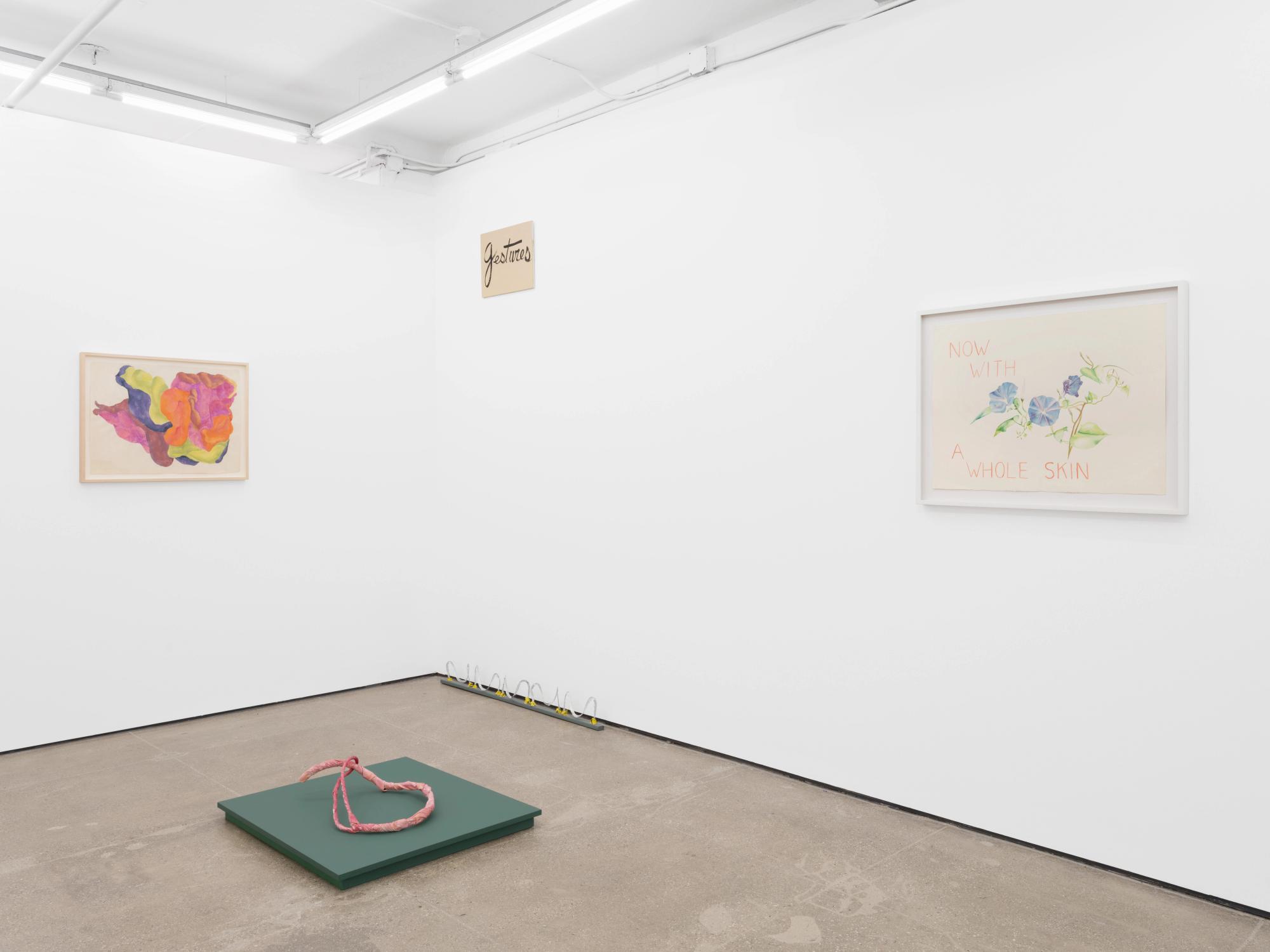
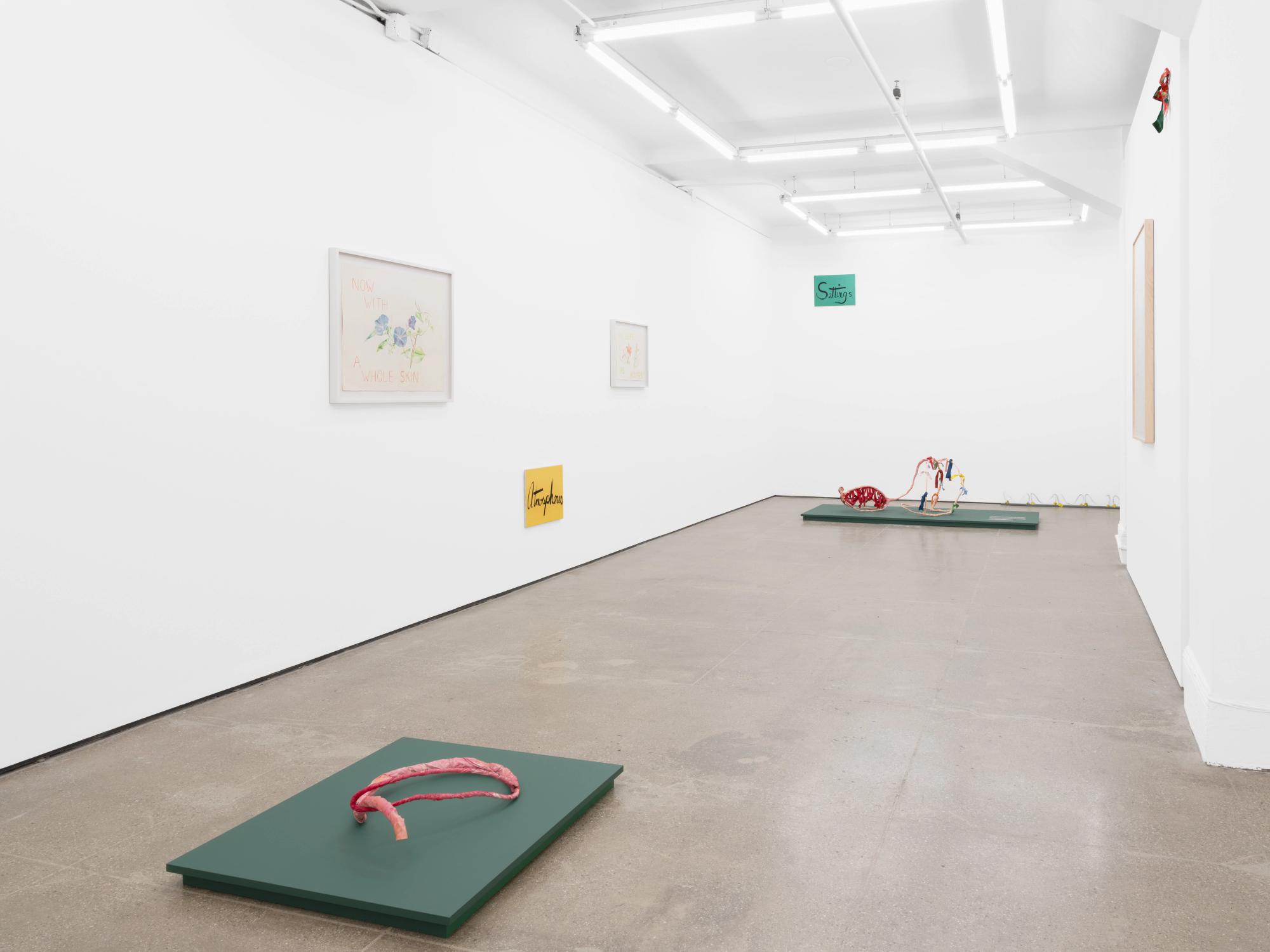
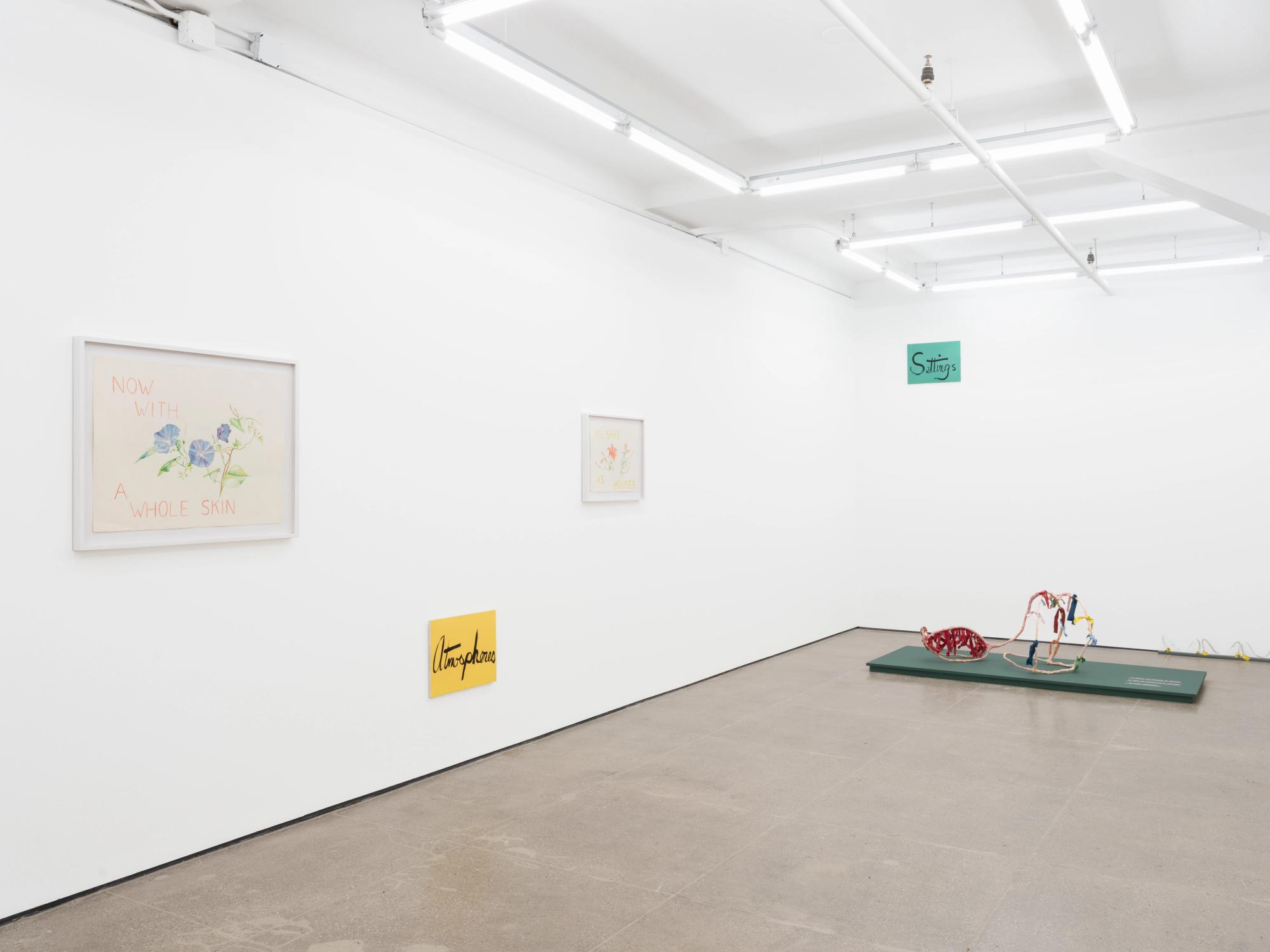
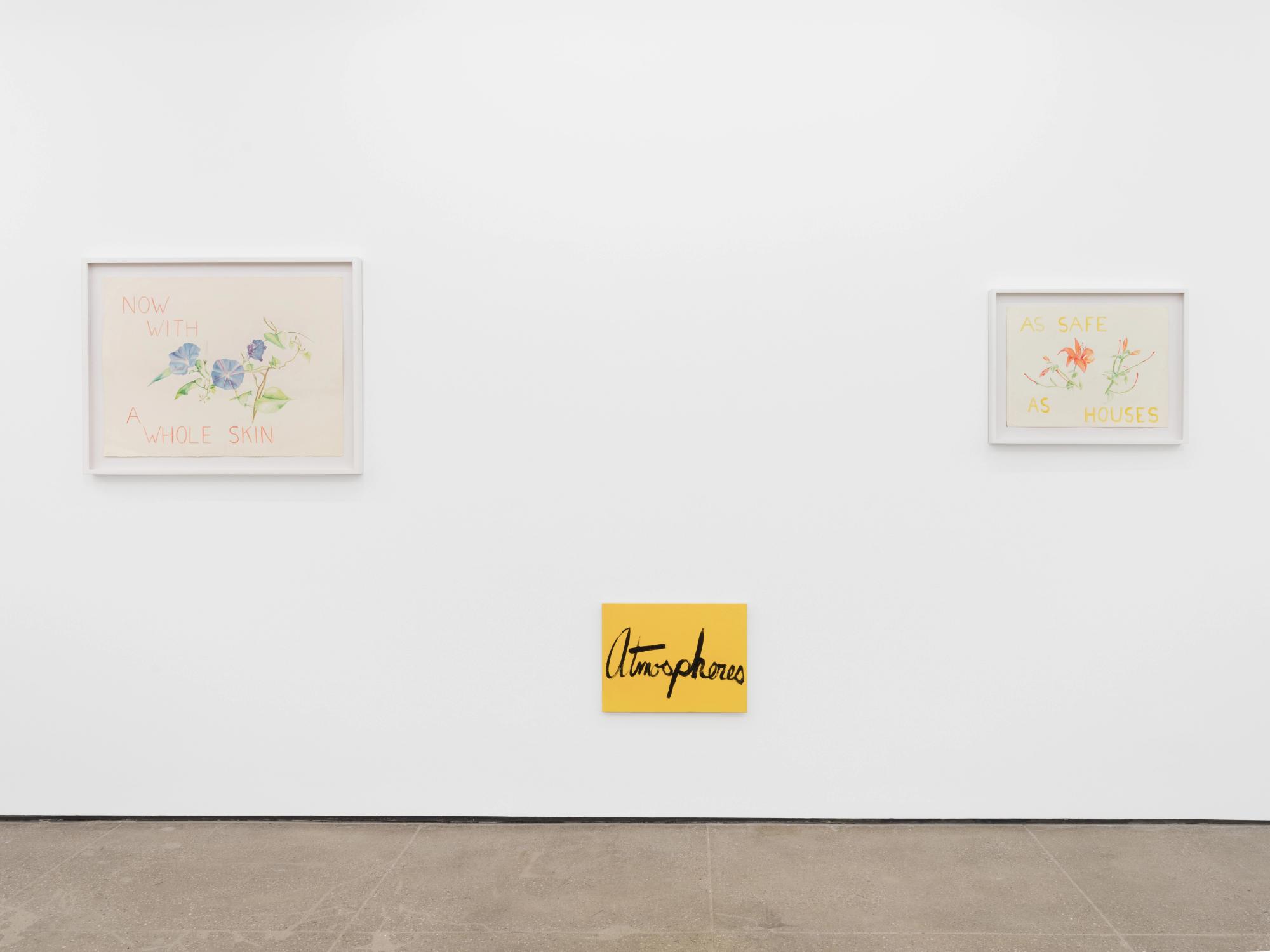
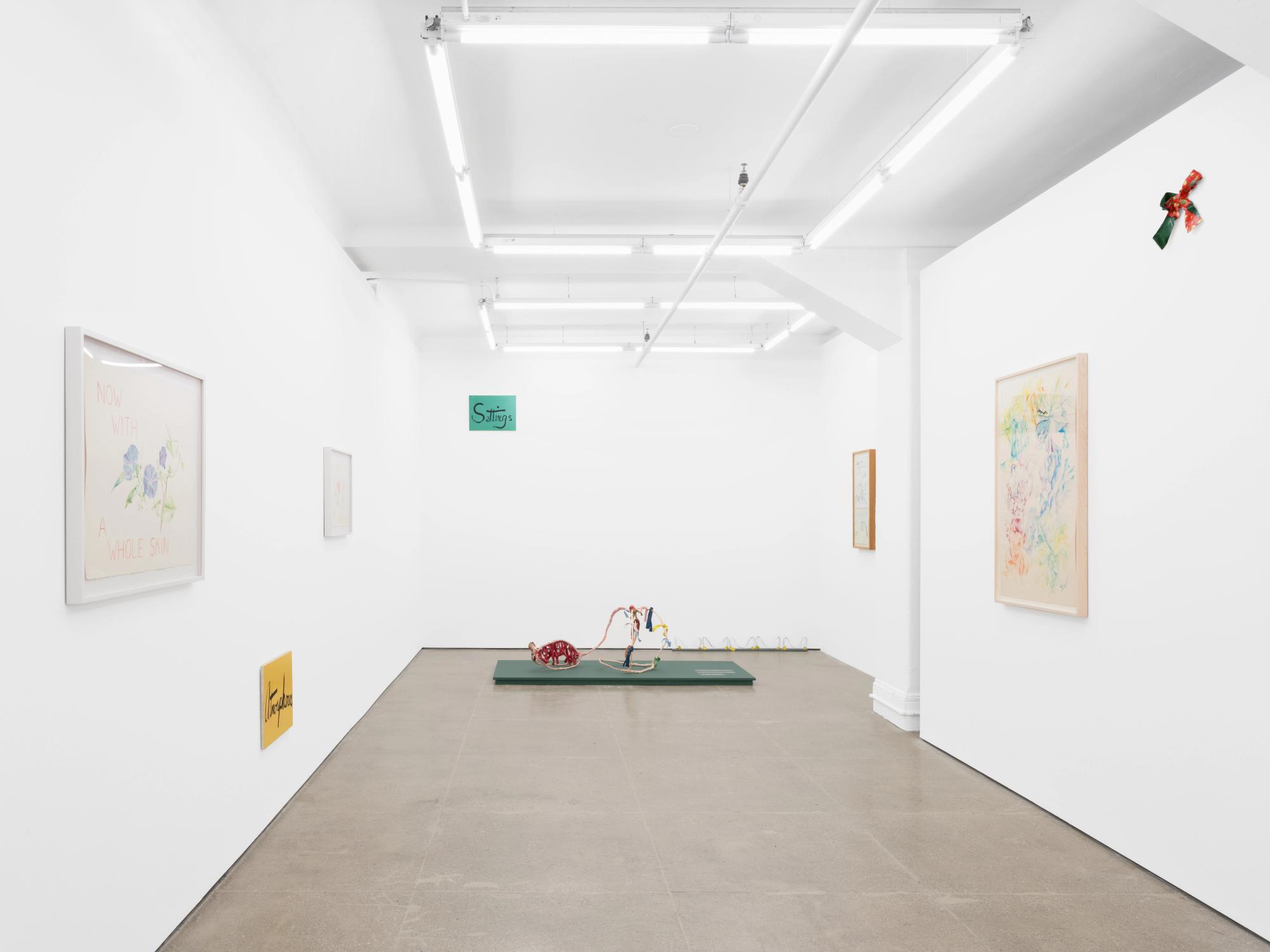
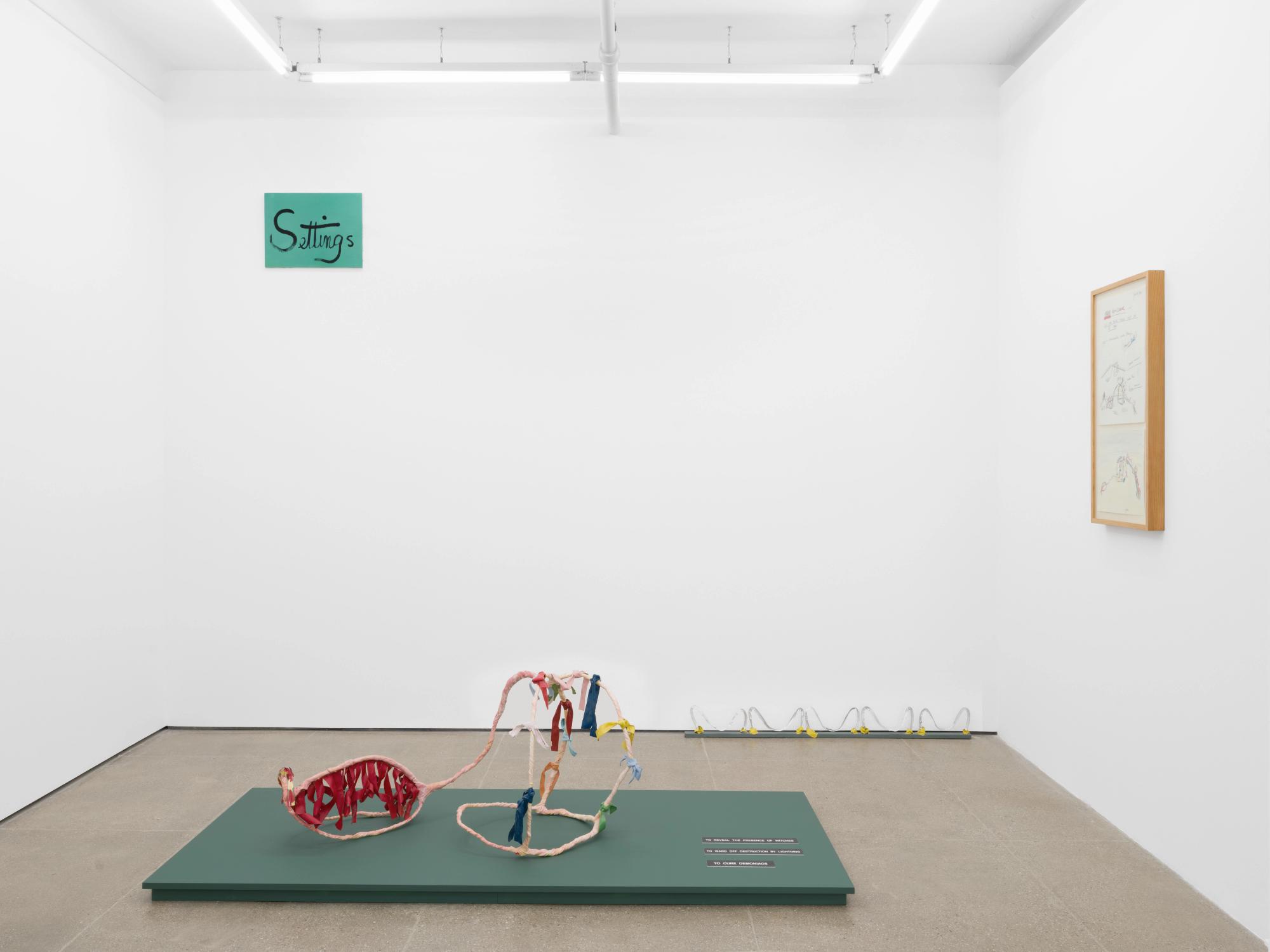
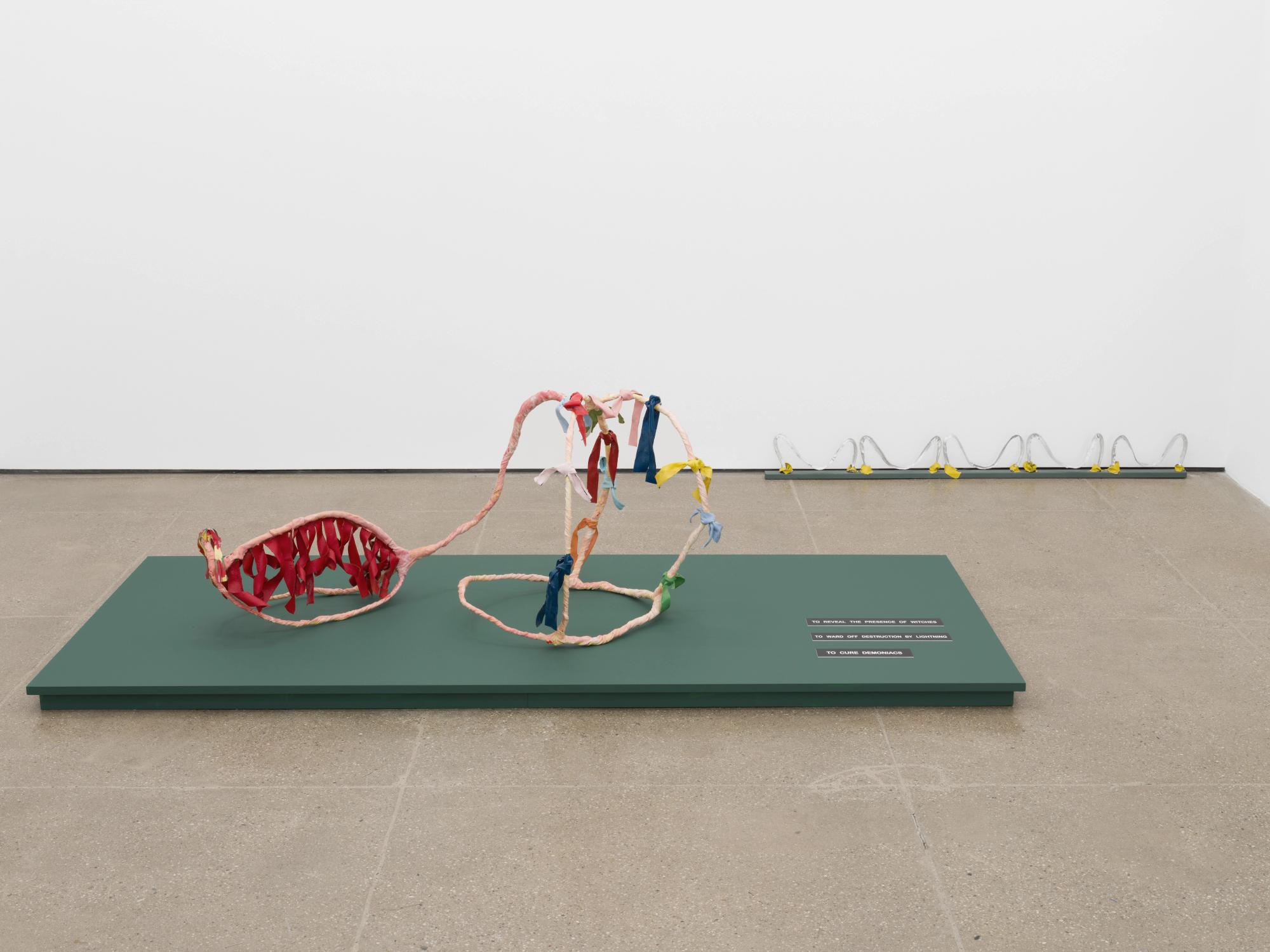
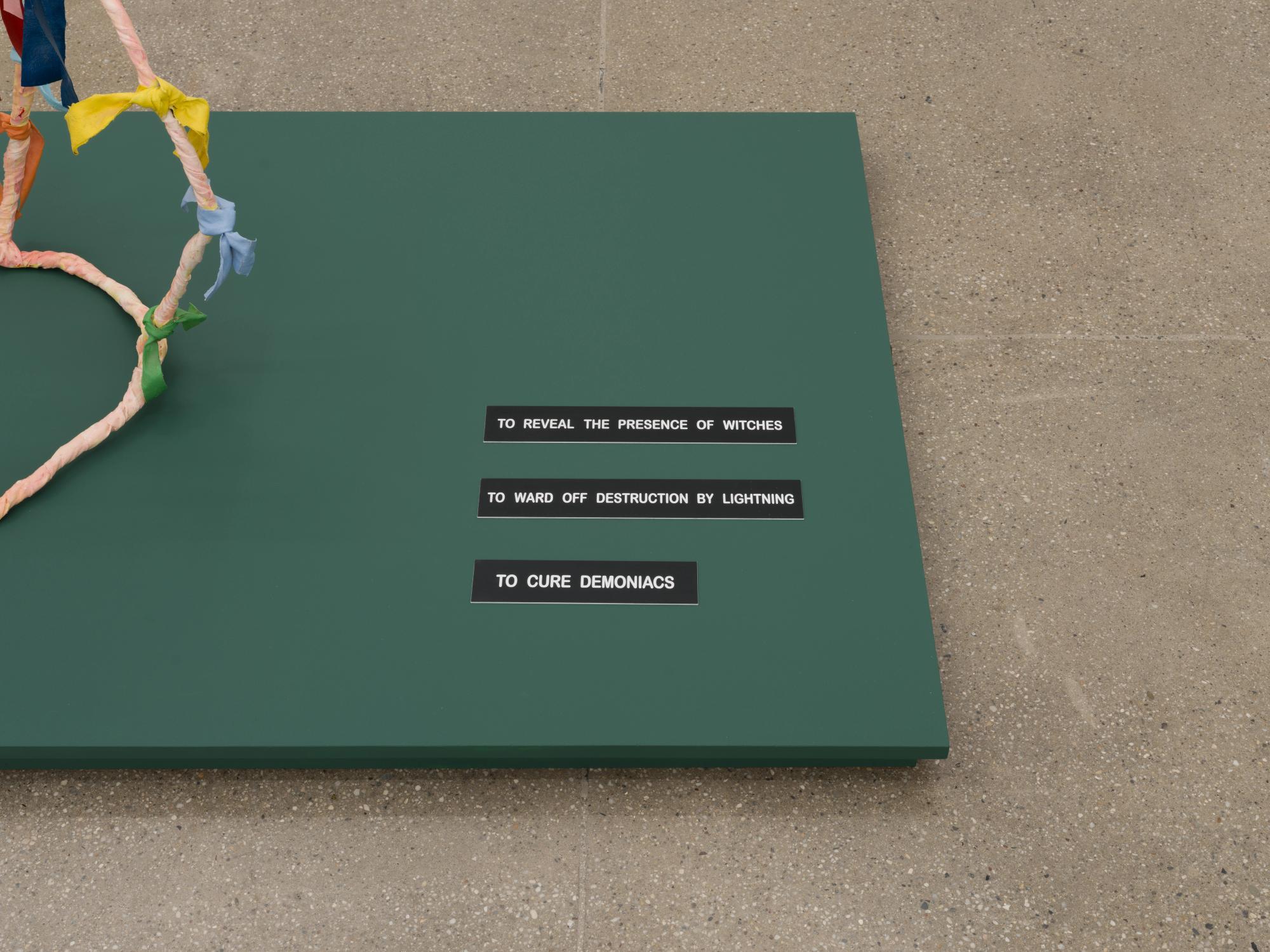
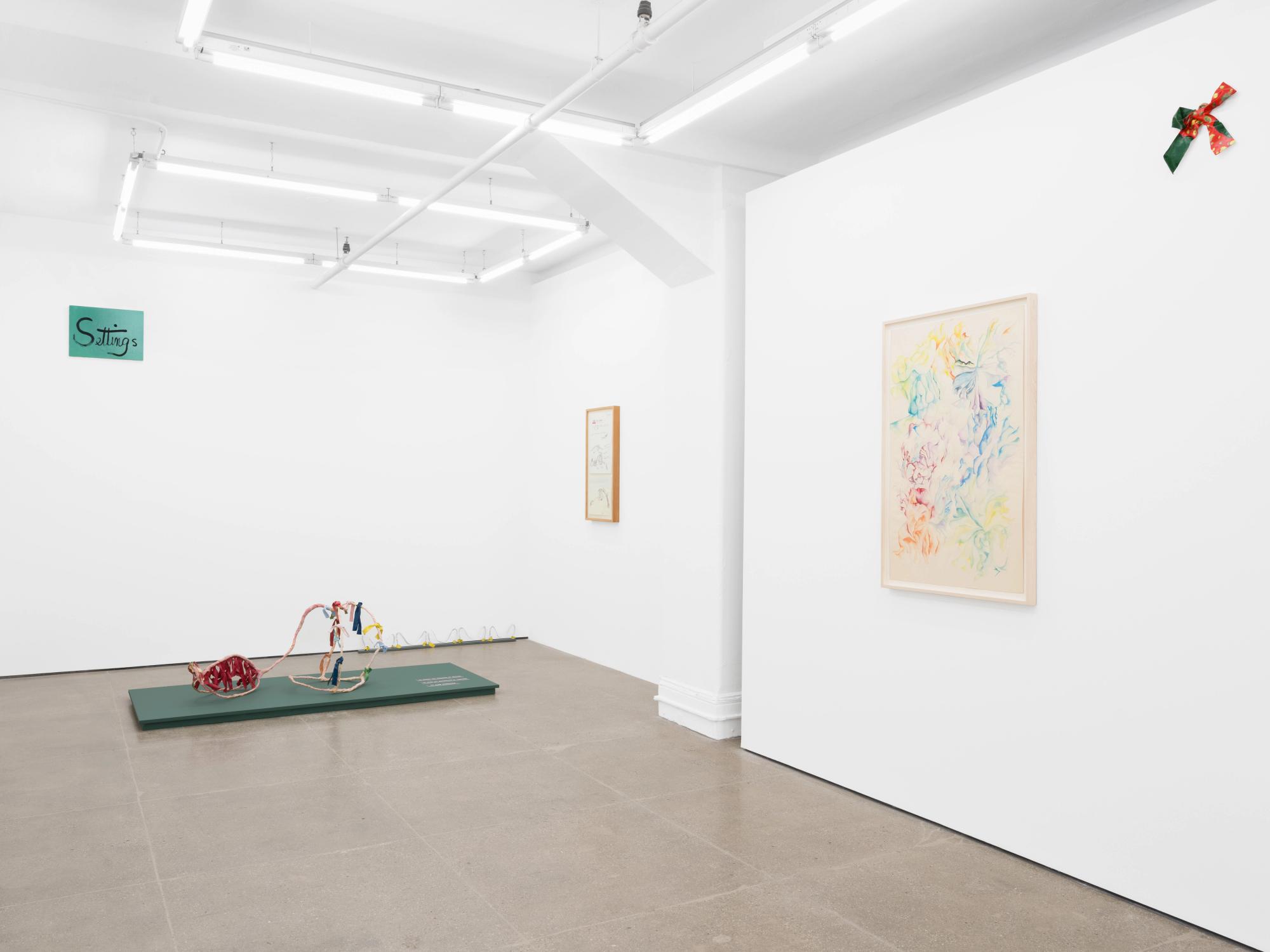
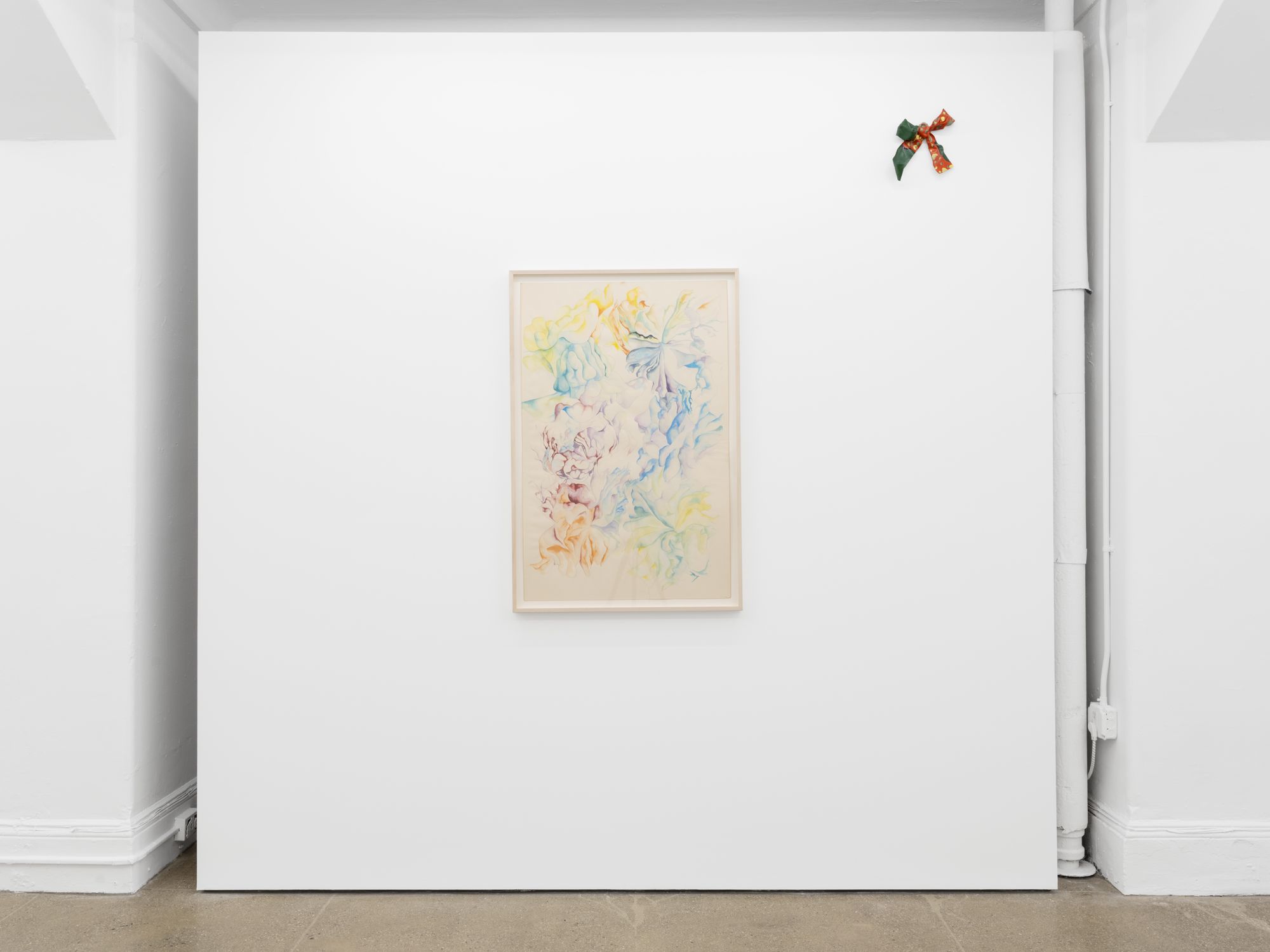
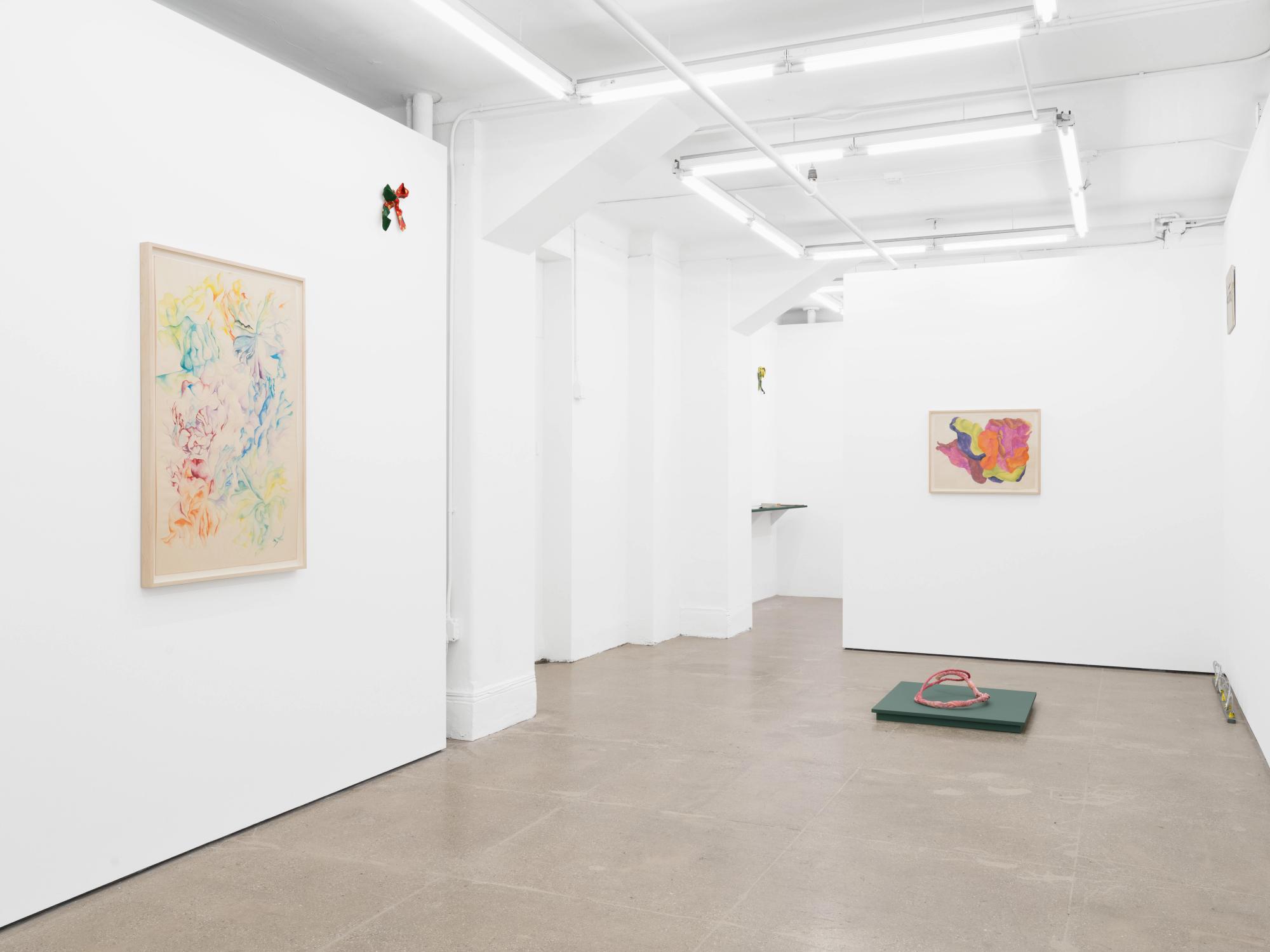
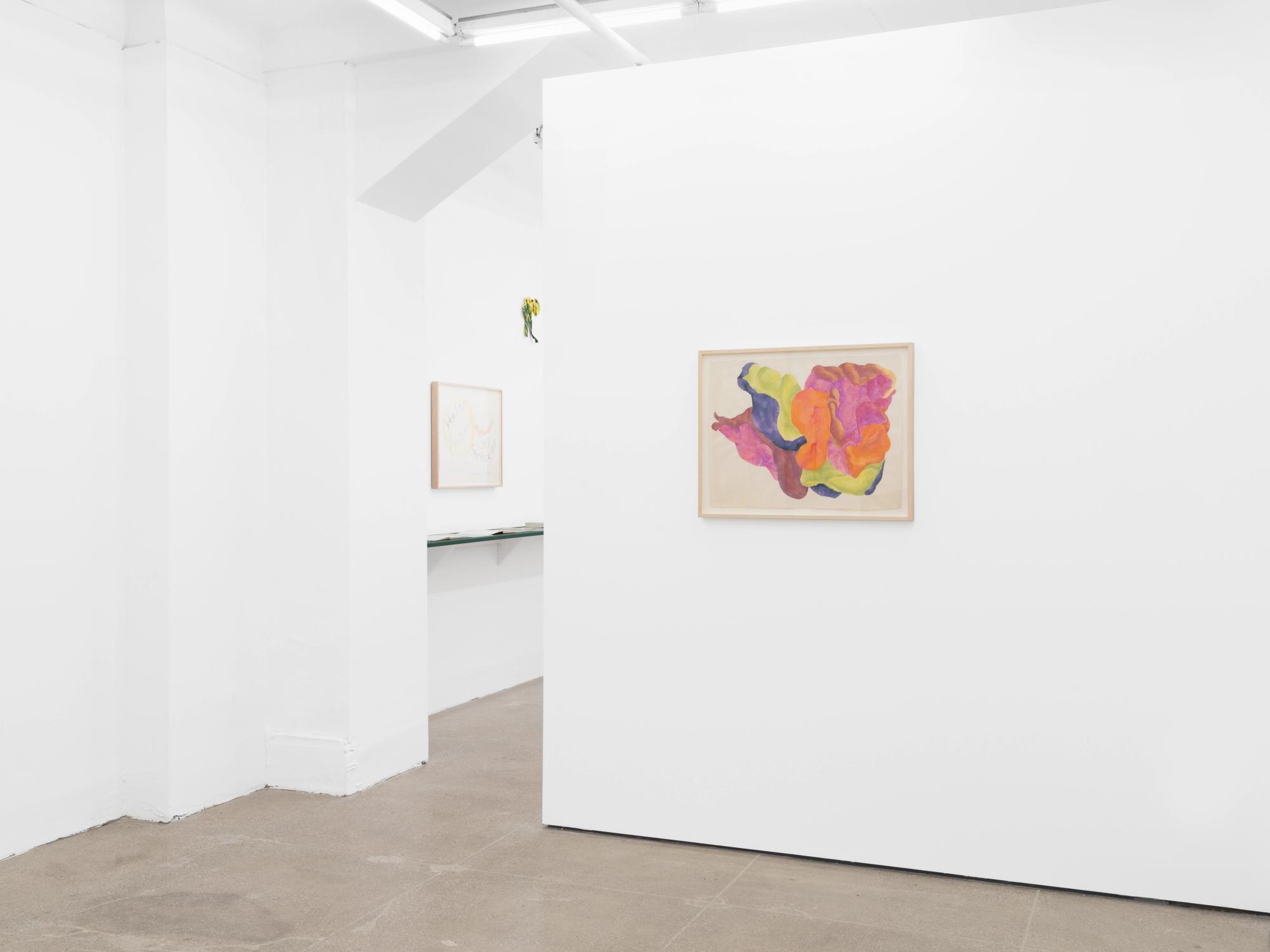
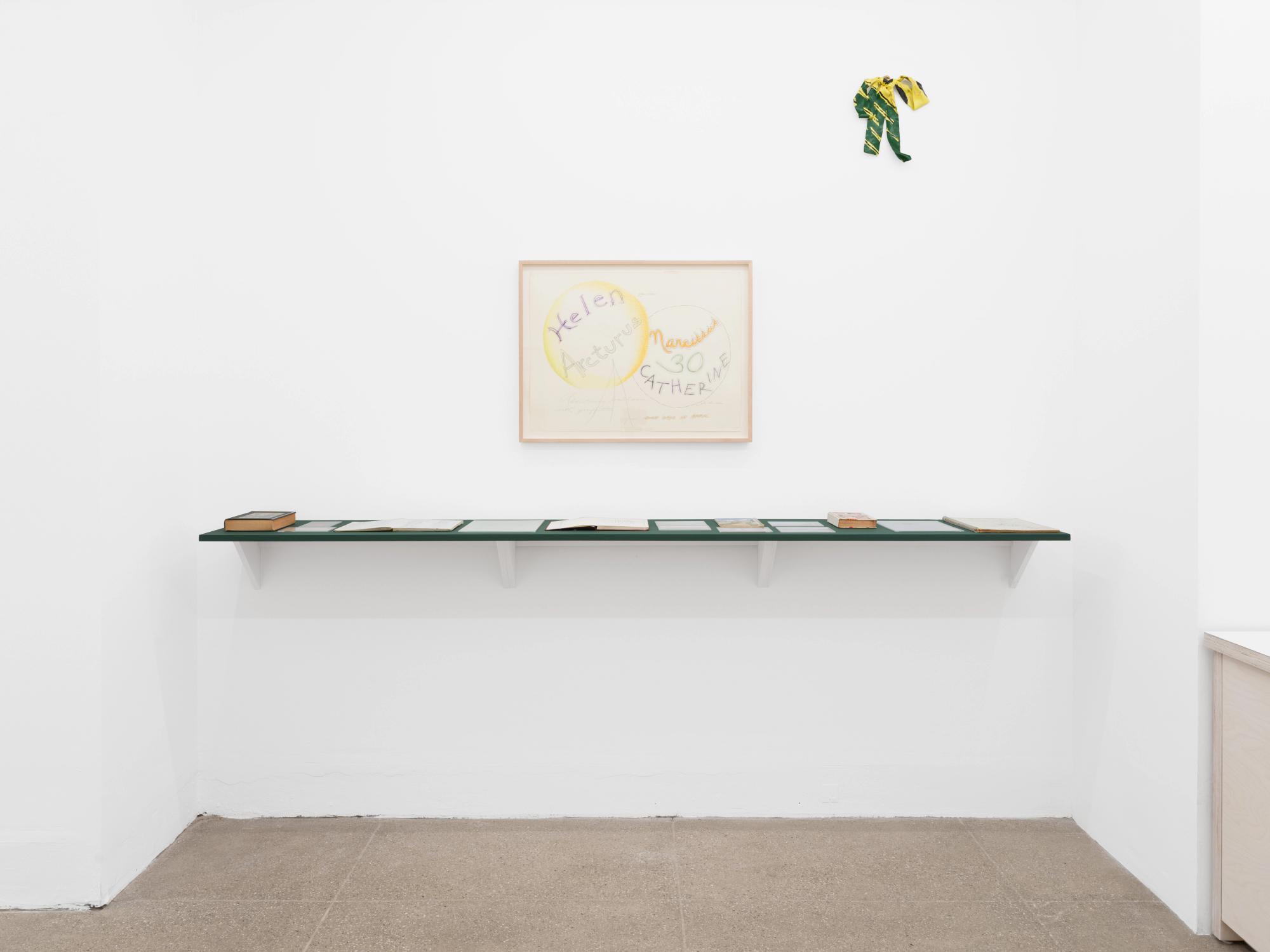
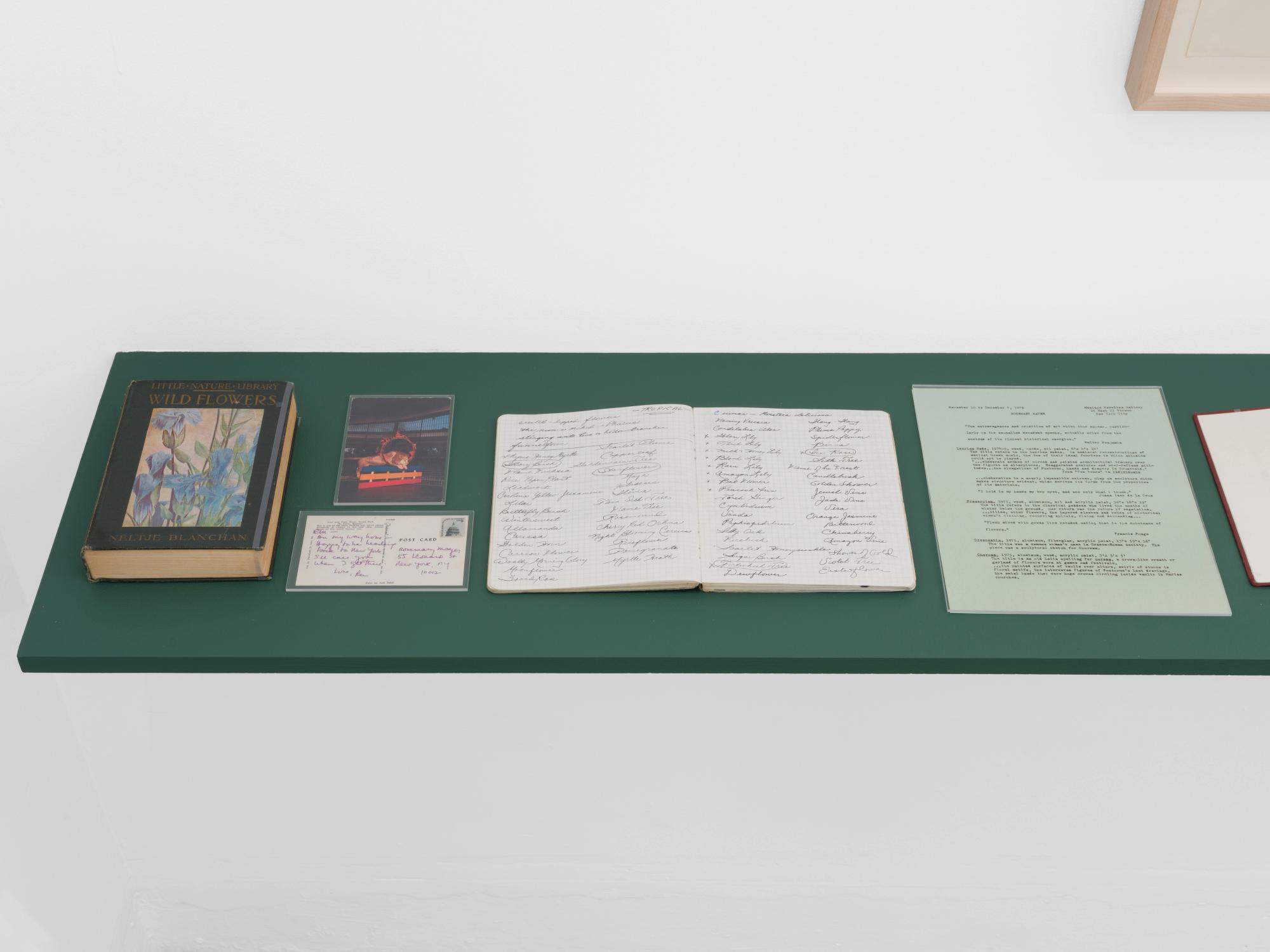
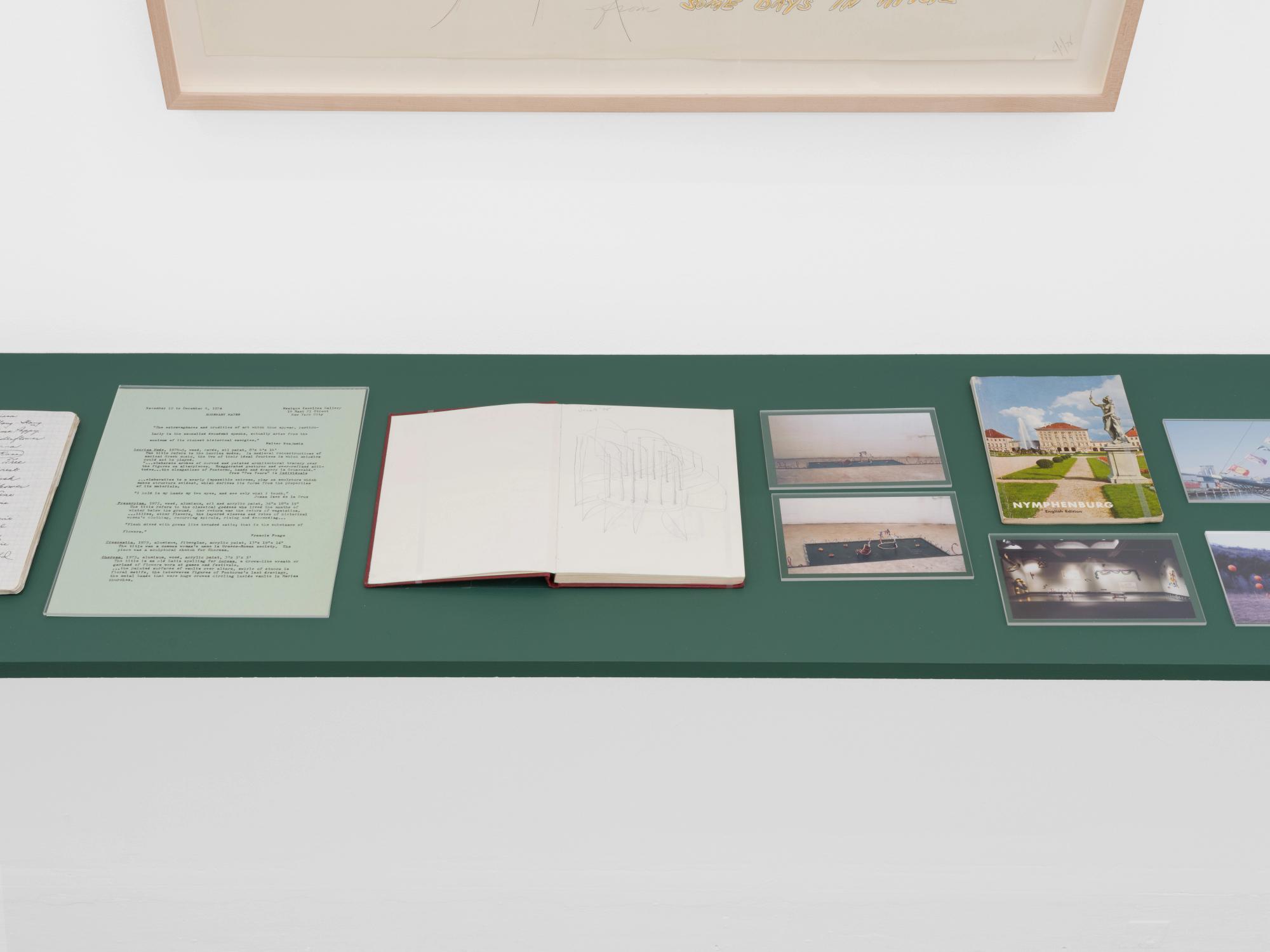
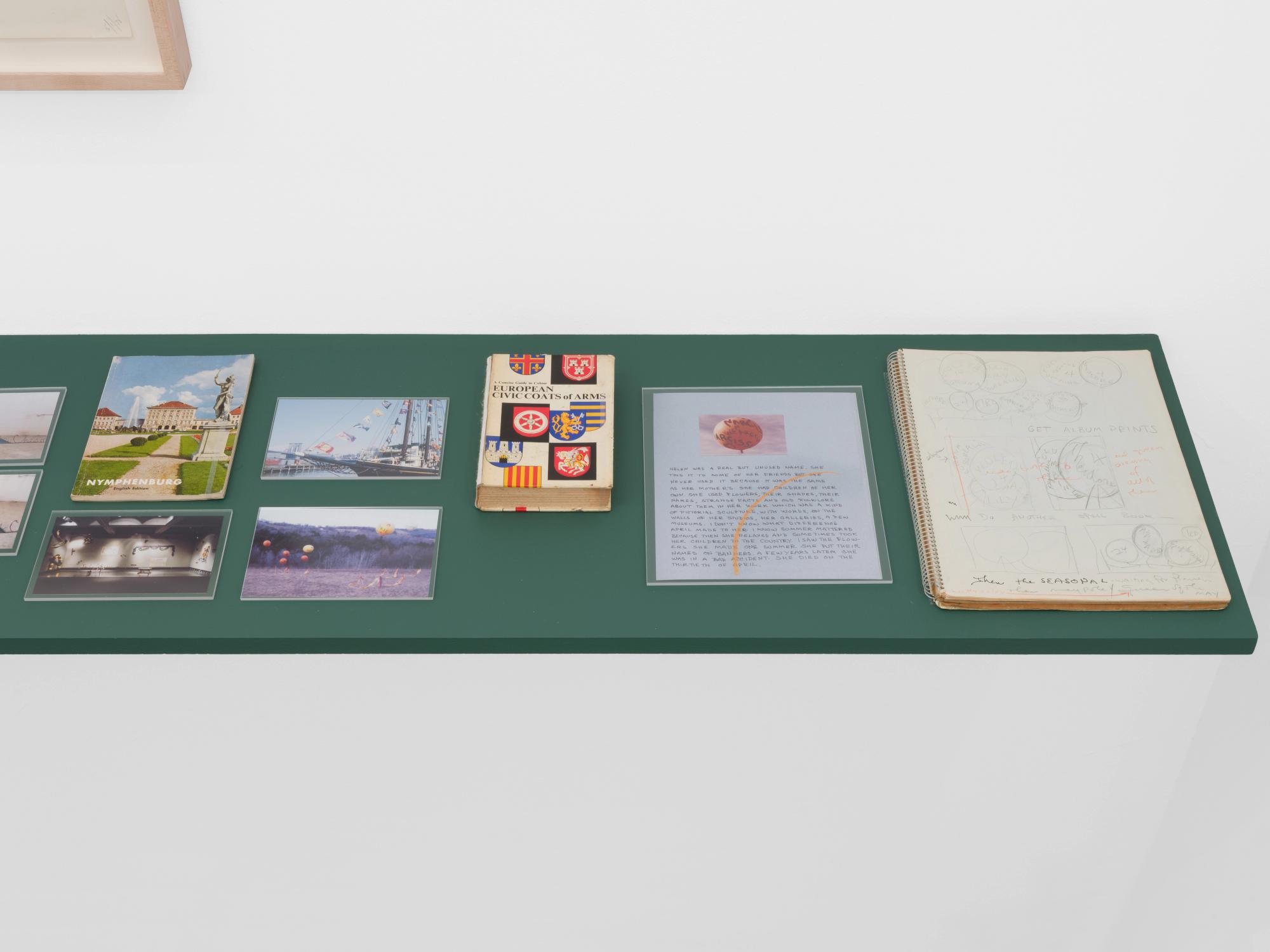
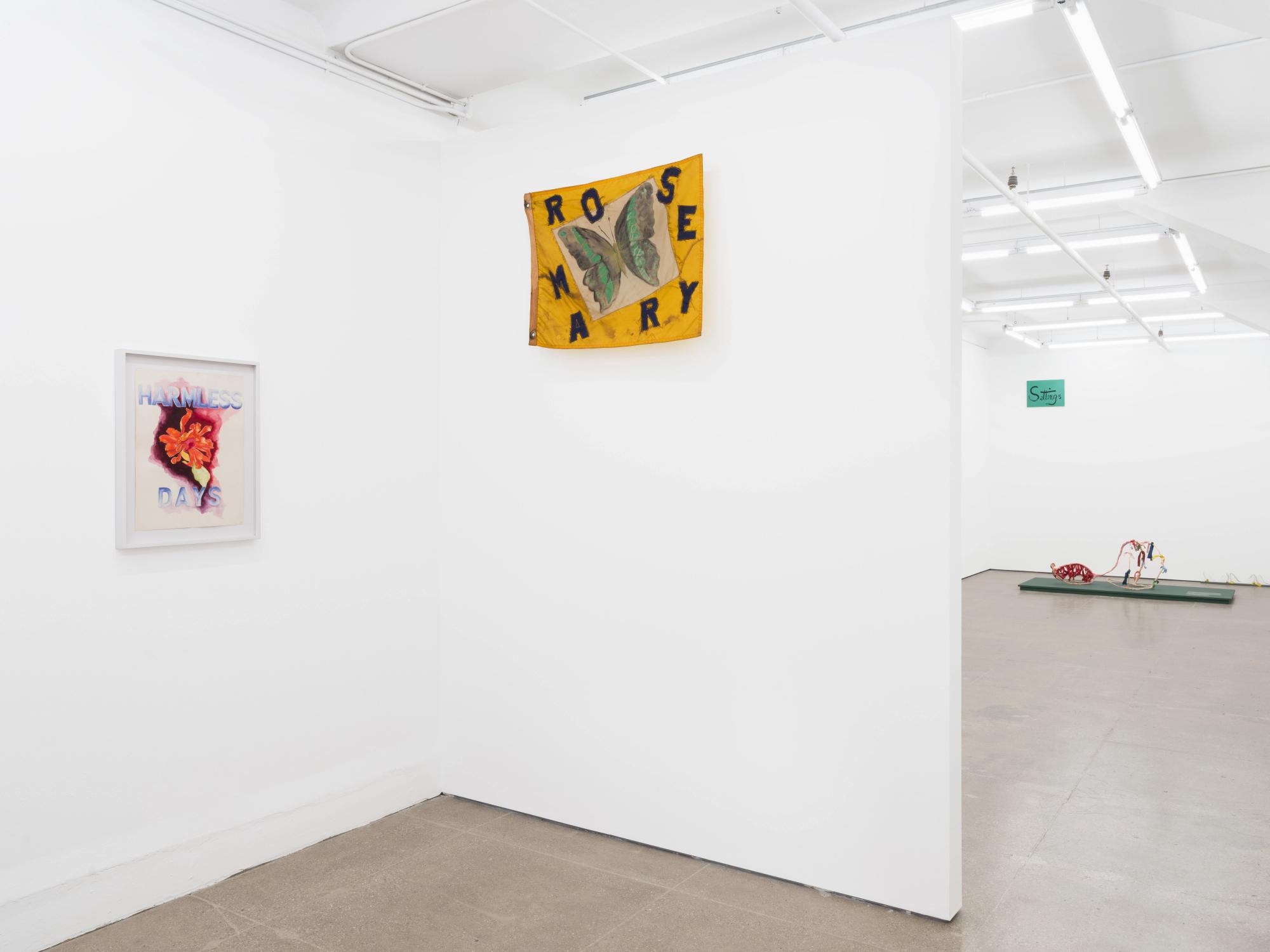
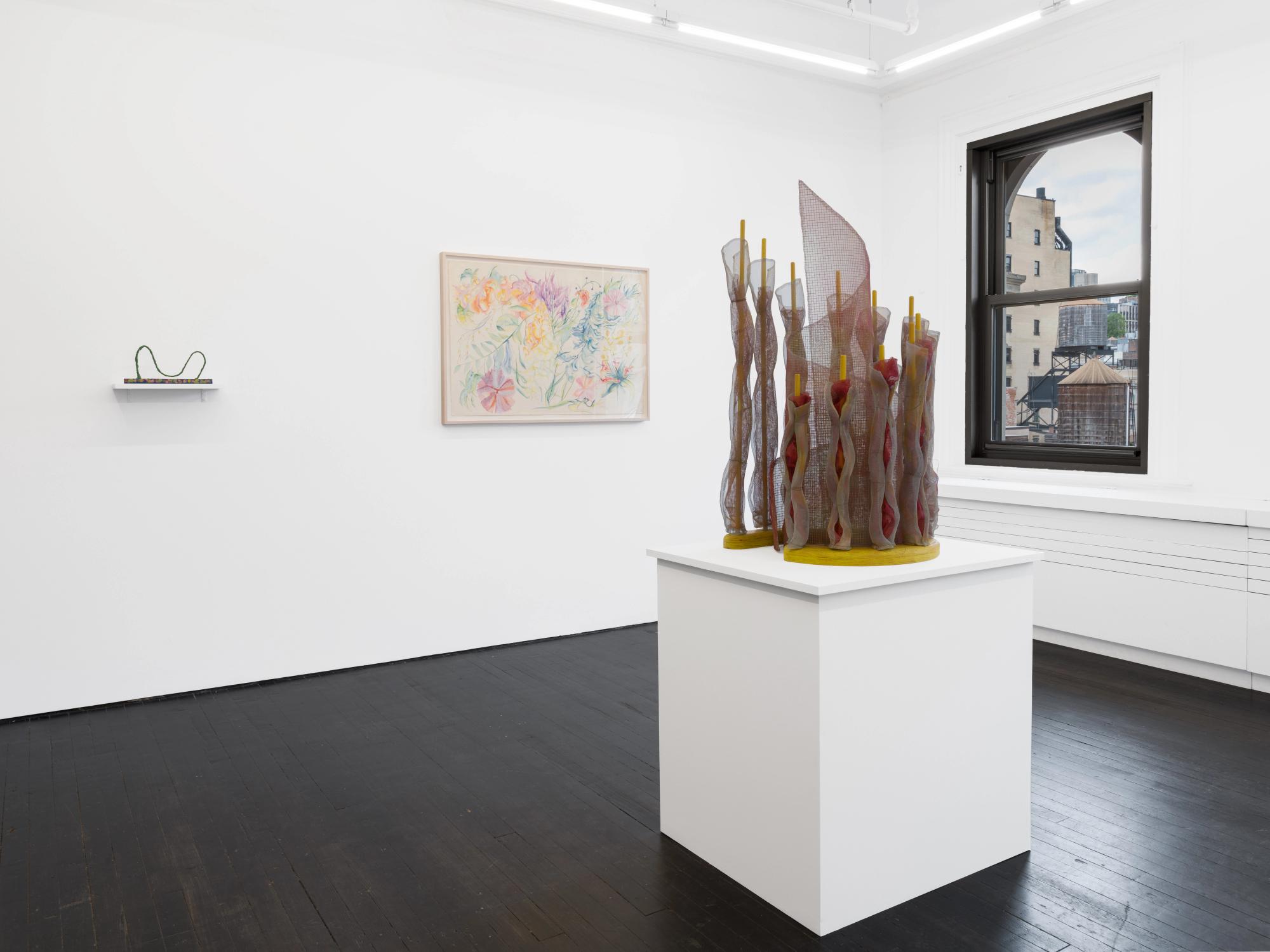
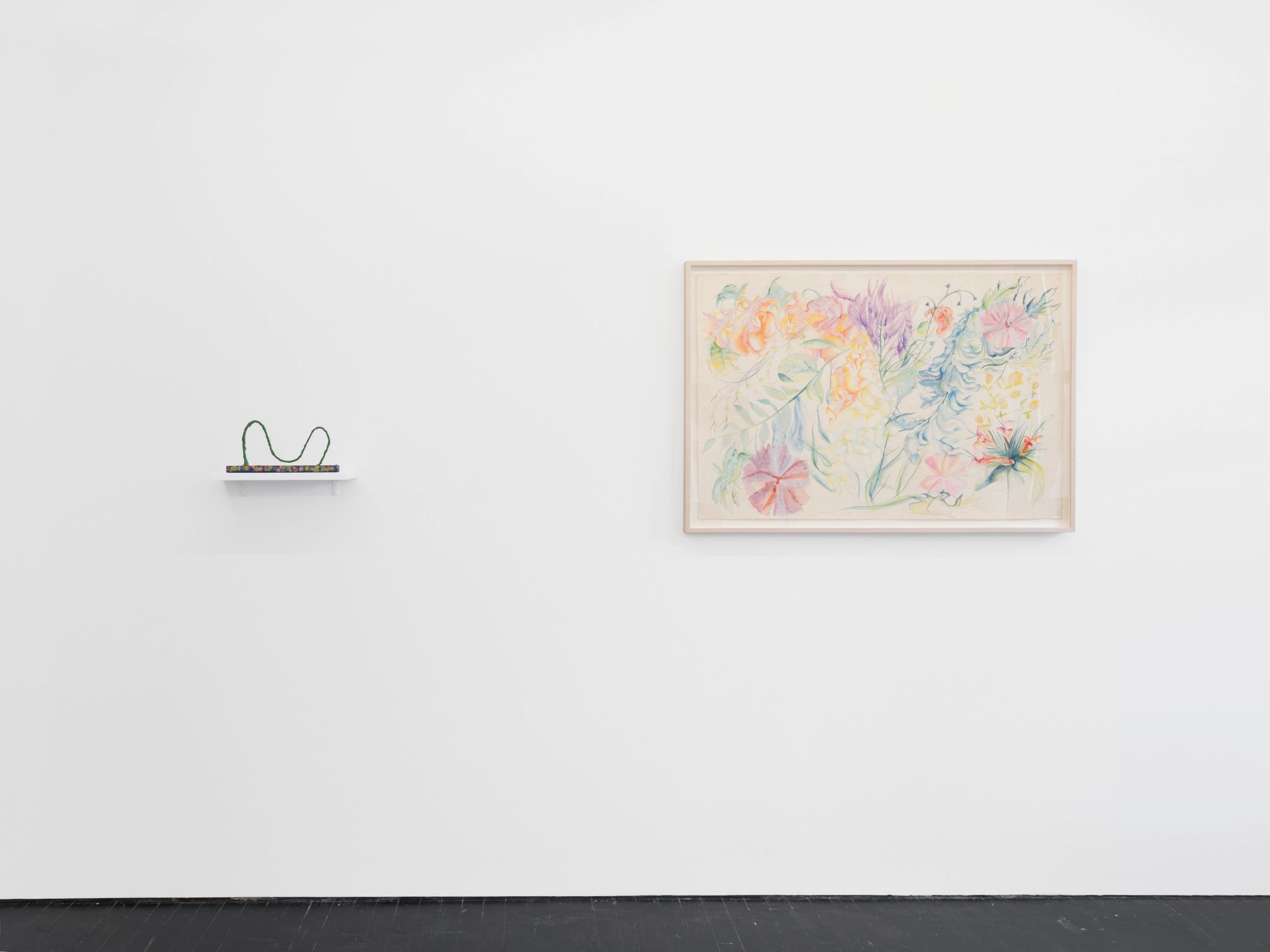
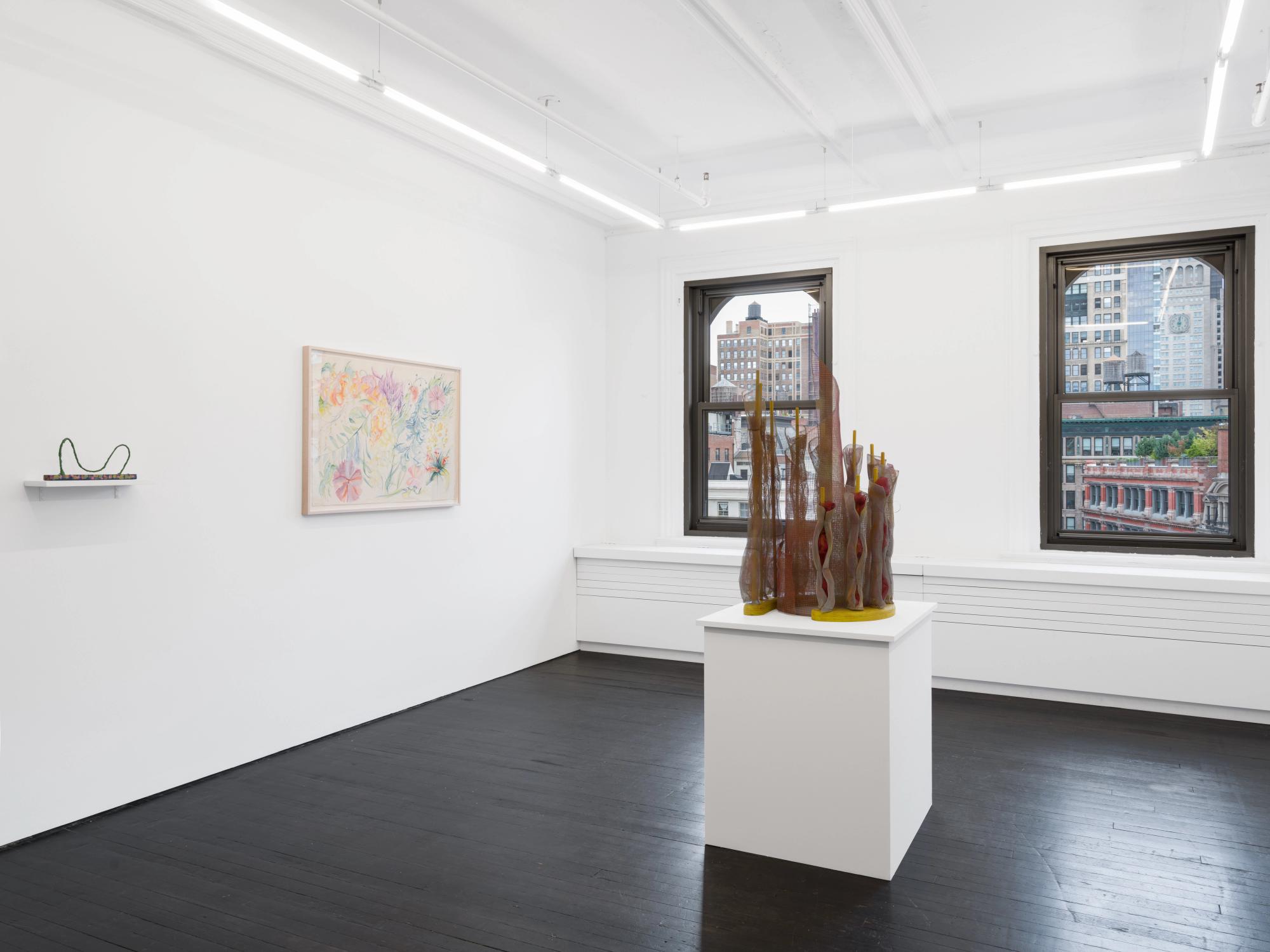
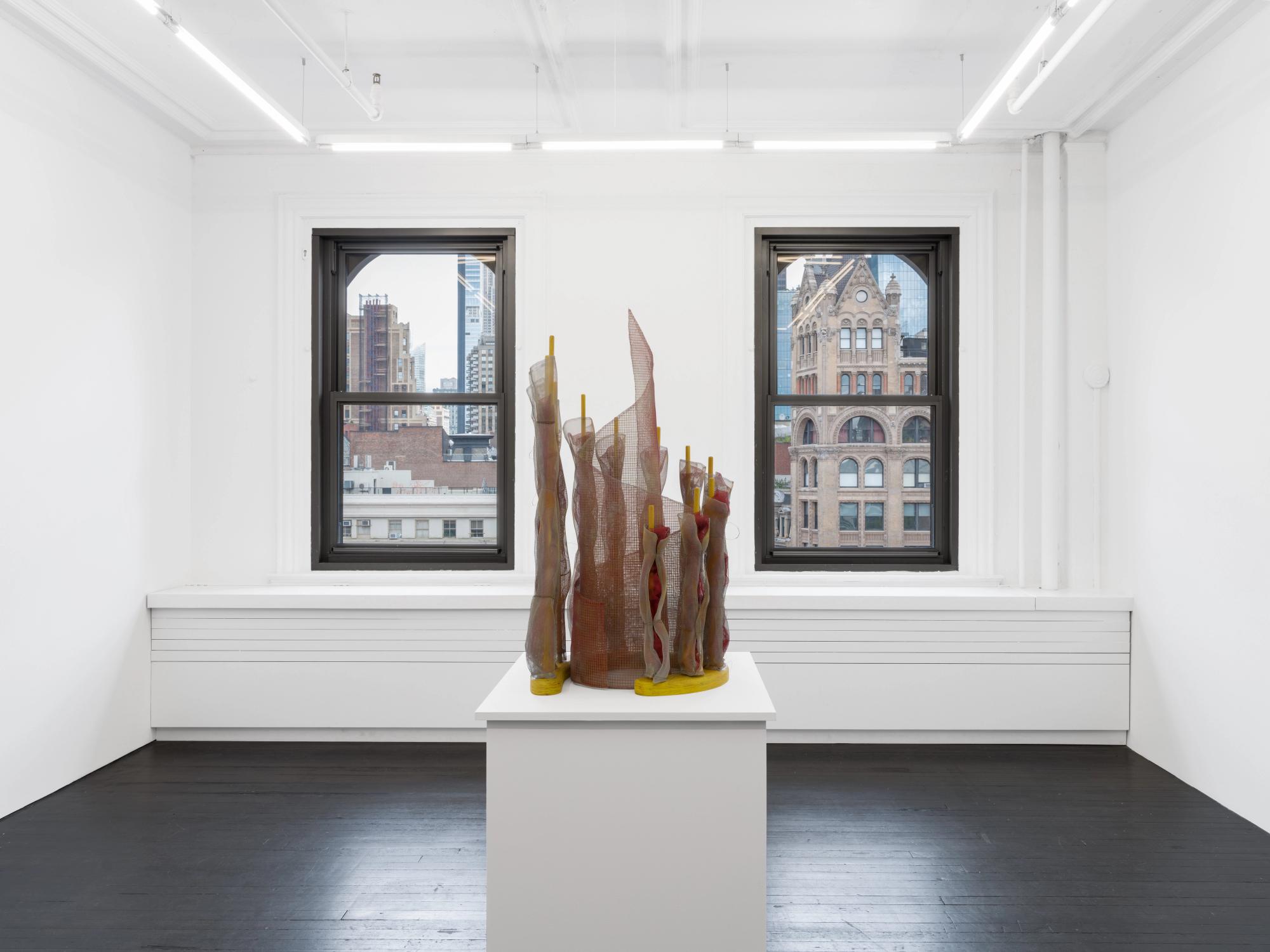
The installation at Gordon Robichaux is anchored by Rosemary Mayer’s Proserpina and Ree Morton’s Devil Chaser, two rarely exhibited sculptures created in 1975 that were inspired by plants, flowers, and the language and mythology connected to them. The exhibition also gathers together and integrates artworks that expand on the artists’ affinities and divergences, including several of Mayer’s delicate color pencil and watercolor drawings exploring fabric, flowers, and language; a recording of Mayer reading from her 1976 artist’s book Passages; and a series of Morton’s Signs of Love text paintings and Beaux sculptures. Two works on view directly memorialize the artists’ friendship: a flag dedicated to Mayer from Morton’s Something in the Wind installation (1975) and a drawing from Mayer’s balloon work Some Days in April (1978), made the year after Morton’s death. The artists’ friendship, exchange, and practices are also contextualized through a selection of archival materials including correspondence, publications, sketchbook drawings, and installation and performance documentation. A commissioned text by Marie Warsh—writer, historian, co-director of the Rosemary Mayer Estate, and the artist’s niece—further illuminates the exhibition with her intimate perspective.
The exhibition is presented in collaboration with The Estate of Rosemary Mayer and The Estate of Ree Morton, with the support of Allan Schwartzman.
This is the first presentation of Morton’s work in New York since 2016 and Mayer’s second exhibition at Gordon Robichaux following her solo exhibition, Pleasures and Possible Celebrations: Rosemary Mayer's Temporary Monuments 1977-1981, in Spring of 2021. Mayer and Morton were presented alongside one another in the 2024–2025 exhibition To Exalt the Ephemeral: The (Im)permanent Collection at the Berkeley Art Museum and Pacific Film Archive. Mayer was also included in the 2024–2025 exhibition Ree Morton–Natalie Häusler. To Each Concrete Man at the Kunstmuseum Bochum in Germany, with a selection of materials that highlighted their friendship. In 2023, ChertLüdde in Berlin presented Rosemary Mayer: You can’t pin down a flower for very long, an exhibition focused on the artist’s interest in flowers. This summer, Richard Saltoun Gallery in London presented Morton’s first solo exhibition in the UK.
Link to read "Autobiographical Wildflowers": Rosemary Mayer and Ree Morton by Marie Warsh
Install (26)
Ree Morton’s (1936-1977) evocative and prescient works, produced across a single decade, expanded the parameters of immersive sculpture to leave an enduring legacy in 20th century art. Deeply influential on subsequent feminist and installation artists, her multi-dimensional practice channels the universal through the personal with idiosyncratic form and conceptual depth.
Born in 1936 in Ossining, New York, Morton, a mother of 3, graduated from art school in her 30s, following a period as a nurse and a housewife. Describing her evolution as ‘the feminist classic of out of the kitchen; into the studio’, she led a brief, nomadic life, working and teaching across the US before her death at 40 in 1977. Closely associated with both post-Minimalism and the feminist art movement, Morton employed a method of free association and poignant allusion in her varied practice, which encompassed sculpture, performance, painting and drawing. ‘A work of art has a unique quality’, she once observed, ‘it is that of clarifying and concentrating meaning contained in scattered and weakened ways in the material of other experience’ (1).
Drawing her themes widely, from nature, language and literature, Morton’s works are shaped by personal experience and memory. In her first sculptural assemblages, from the early 1970s, cartographic-style drawings combine with logs and branches, balanced, propped or stacked together with a distinct architectural idiom. References to forms of enclosure and shelter, along with a strong corporeal presence equally prevail in her first fully conceived ‘installation’, Sister Perpetua’s Lie (1973). Consciously navigating the viewer through space, it responds to the experimental novel, Impressions of Africa (1910) by Raymond Roussel, with quotations, drawings and objects in frames and structures graphically delineated with black wood. More personal in origin, the large-scale installation Souvenir Piece (1973) functions as an act of memory. Produced for the inaugural exhibition at the legendary Artists Space in New York, it borrows an archaeological language form, displaying drawings, maps, found and made objects in a ritual-style space, charged with mnemonic register.
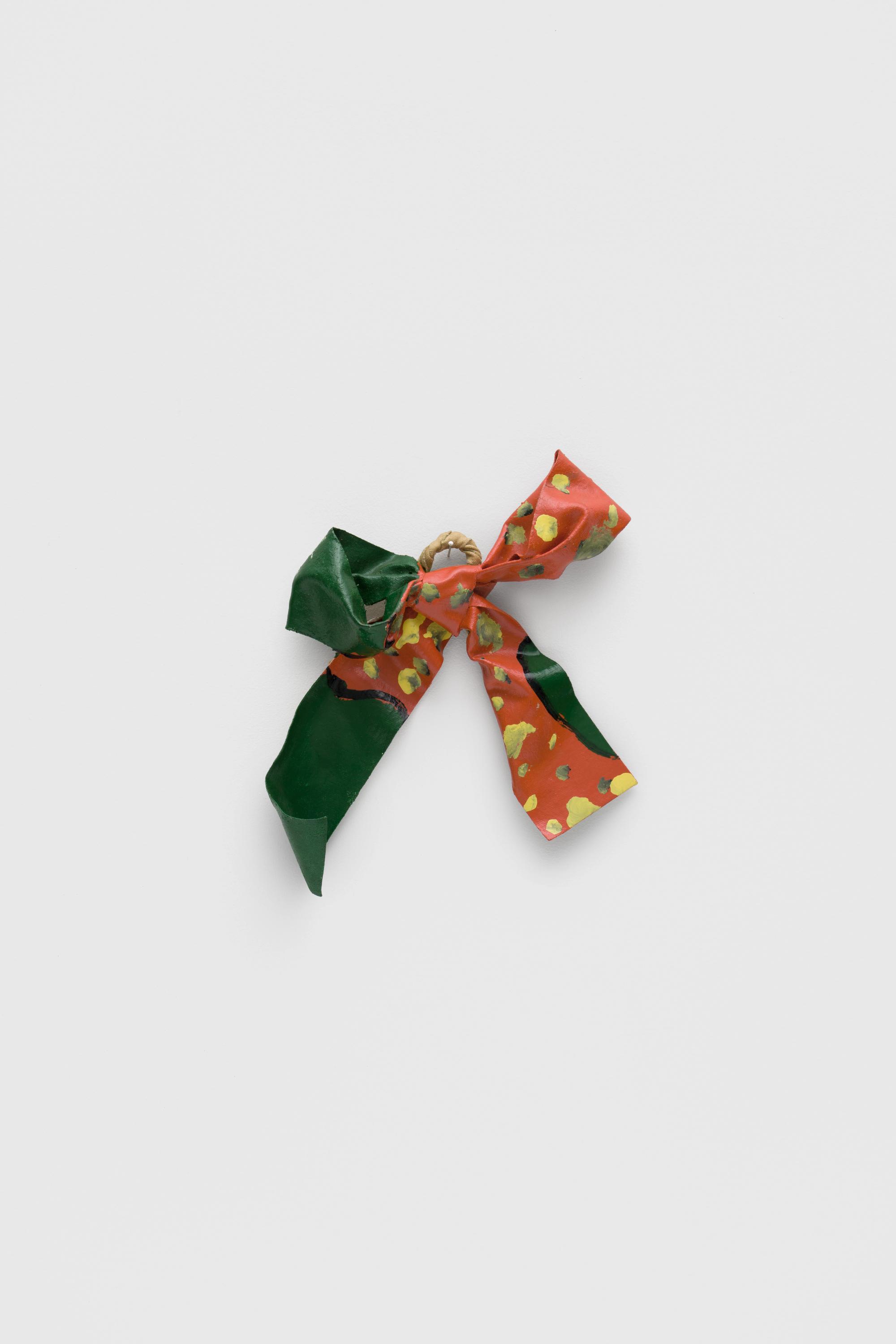
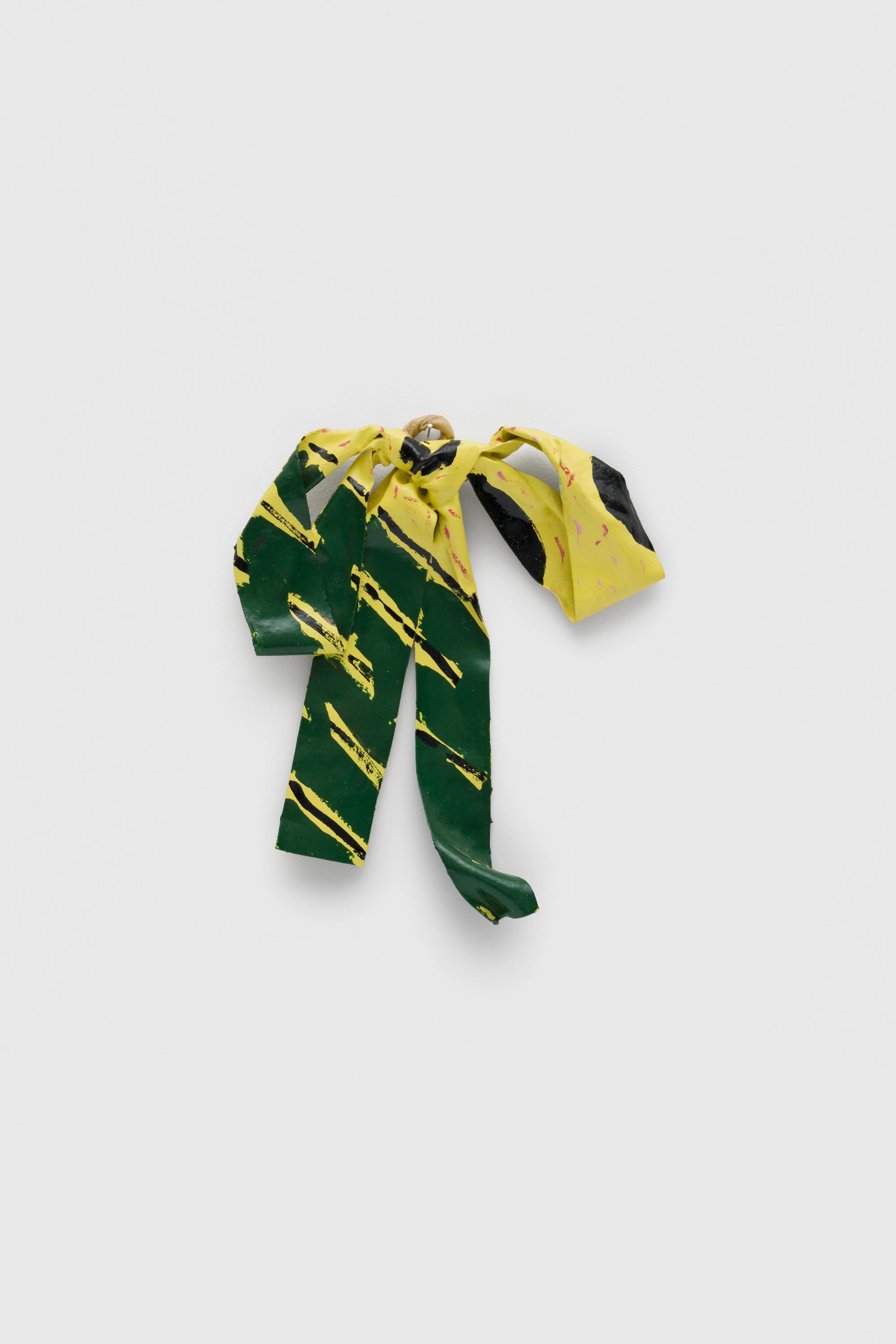
In 1974, Morton discovered Celastic, a malleable textile more commonly used in theatre, which she sculpted into decorative, sentimental forms, such as ribbons, banners and flowers, that carry traditional associations with the feminine. First appearing in Bake Sale (1974), a sculpture that makes wry allusion to the domestic ties of women, it culminates with the exuberant iconography of her last major installation, Signs of Love (1976). Exhibited posthumously in the Whitney Biennial of 1977, the latter assembles an unapologetically romantic collection of Celastic words and be- ribboned forms in poised and balanced orchestration. Always present in her practice, language became increasingly central to the Celastic works, used in the mapping of names across a wall, or in flags and banners declaring words and phrases that seem to linger, like echoes, in the space and mind. Ambiguous in intent, Morton encouraged what she termed an ‘unconscious scanning’ in her works to draw out individual response from the viewer. ‘My perspective is situational,’ she reflected, ‘meaning here a concern for what one individual can be alive to at a particular moment…’ (2).
Ree Morton was born in Ossining, New York in 1936 and died in Chicago in 1977. She was included in the Whitney Biennial, Whitney Museum of American Art, New York in 1973 and 1977. Her work has been exhibited at Kunstmuseum Bochum (2024–25); Institute of Contemporary Art, Los Angeles (2020); Institute of Contemporary Art, Philadelphia (2018 and 1973); Museo Nacional Centro de Arte Reina Sofía, Madrid (2015); The Drawing Center, New York (2009); Generali Foundation, Vienna (2008-9); Whitney Museum of American Art, New York (1990 and 1974); Solomon R. Guggenheim Museum, New York (1985); The New Museum, New York (1980), touring to Contemporary Arts Museum, Houston (1980); University of Colorado Art Galleries, Boulder (1980); Albright-Knox Gallery, Buffalo, New York (1981) and Renaissance Society at the University of Chicago (1981).
—Alexandra Bradley
1. Quoted in Ree Morton : works 1971-1977, Generali Foundation exh.cat., Vienna, 2008-9, p. 33.
2. Journal, 1976, quoted in ‘Ree Morton’ by Mary Delahoyd, Artforum, May 1980.
Rosemary Mayer (1943-2014) was a prolific artist involved in the New York art scene beginning in the late 1960s. Most well-known for her large-scale sculptures made with fabric, she also created works on paper, artist books, and outdoor installations, exploring themes of temporality, history, and biography. She was initially involved in conceptual art and writing, collaborating with her sister, poet Bernadette Mayer, and husband, Vito Acconci, on the journal 0 TO 9. A pioneer of the feminist art movement, she was a founding member of A.I.R. Gallery, the first cooperative gallery for women in the U.S. and had one of the earliest shows there. During the 1970s and 1980s, her work was also shown at many New York alternative art spaces, including The Clocktower, Sculpture Center, and Franklin Furnace. She was also a critic and writer, contributing essays to various journals of artists' writings and creating an issue of the magazine Art-Rite. Her interest in art history, and particularly the artists of the Mannerist period, resulted in her translation of the diary of Jacopo da Pontormo, which was published alongside a catalog of her work by Out of London Press in 1982. Beginning in the 1990s, she became focused on teaching art, eventually becoming a professor at LaGuardia Community College in Queens.
Since Mayer’s death in 2014, her estate has helped to organize exhibitions and publications of her work, beginning with an exhibition at Southfirst Gallery in Brooklyn in 2016 and the publication of excerpts from her 1971 journal. In 2020, her work was introduced to European audiences through Nick Mauss’s exhibition, Bizarre Silks, Private Imaginings and Narrative Facts, etc., at Kunsthalle Basel and Rods Bent Into Bows, at ChertLüdde in Berlin, both exhibitions that included her large-scale fabric sculptures. In 2021, a solo show at Gordon Robichaux in New York entitled Pleasures and Possible Celebrations, focused on her installations with balloons and related work.
The first institutional survey of her work, Ways of Attaching, opened at the Swiss Institute in New York in Fall of 2021. It was reviewed in various publications, including Artforum, The New York Review of Books, The London Review of Books, and The Brooklyn Rail. The show was organized in partnership with Ludwig Forum, Aachen; Lenbachhaus, Munich; and Spike Island, Bristol, where the exhibition traveled in 2022. A catalogue of this show was published in 2022.
Mayer’s work was also included in many group exhibitions including Greater New York 2021 at MoMA PS1, in Just Above Midtown: Changing Spaces at MoMA, at Berkeley Art Museum and Pacific Film Archive, Museum of Contemporary Art Rome, Artspace Aotearoa in Auckland, New Zealand, and many others. Additional significant solo exhibitions have happened at Marc Selwyn Fine Arts in Beverly Hills, Hannah Hoffman in Los Angeles, and Hollybush Gardens in London.
Mayer’s work is held in the collections of the Museum of Modern Art, Lenbachhaus, Munich, the Boston Museum of Fine Arts, coleção moraes-barbosa, and numerous private collections.
The Estate of Rosemary Mayer is represented by Gordon Robichaux, New York and ChertLüdde, Berlin.
Works
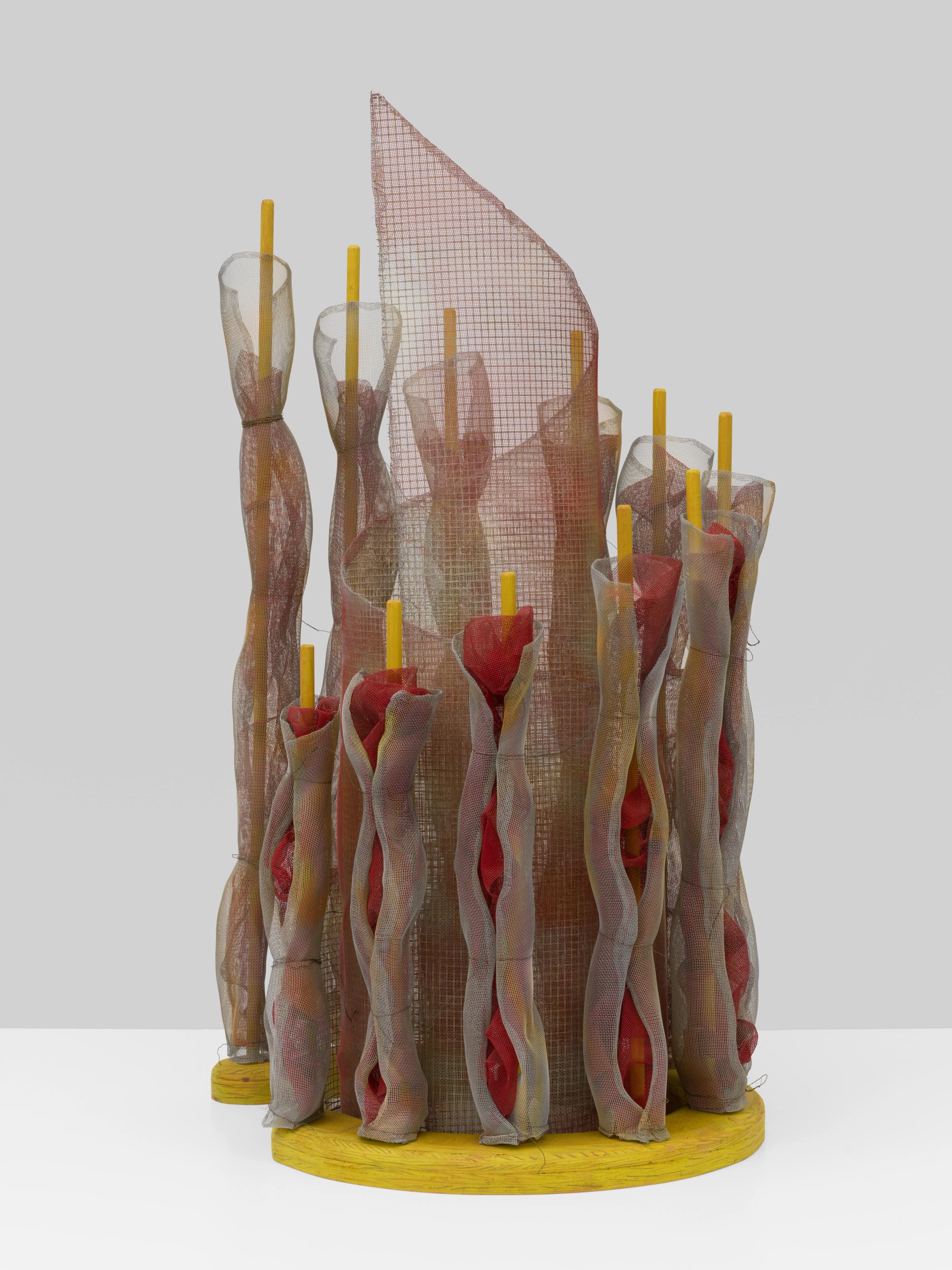
Rosemary Mayer, Proserpina
Rosemary Mayer, Proserpina
Wood, aluminum, fiberglass, wire, oil paint
36 x 18 x 21 inches
1975
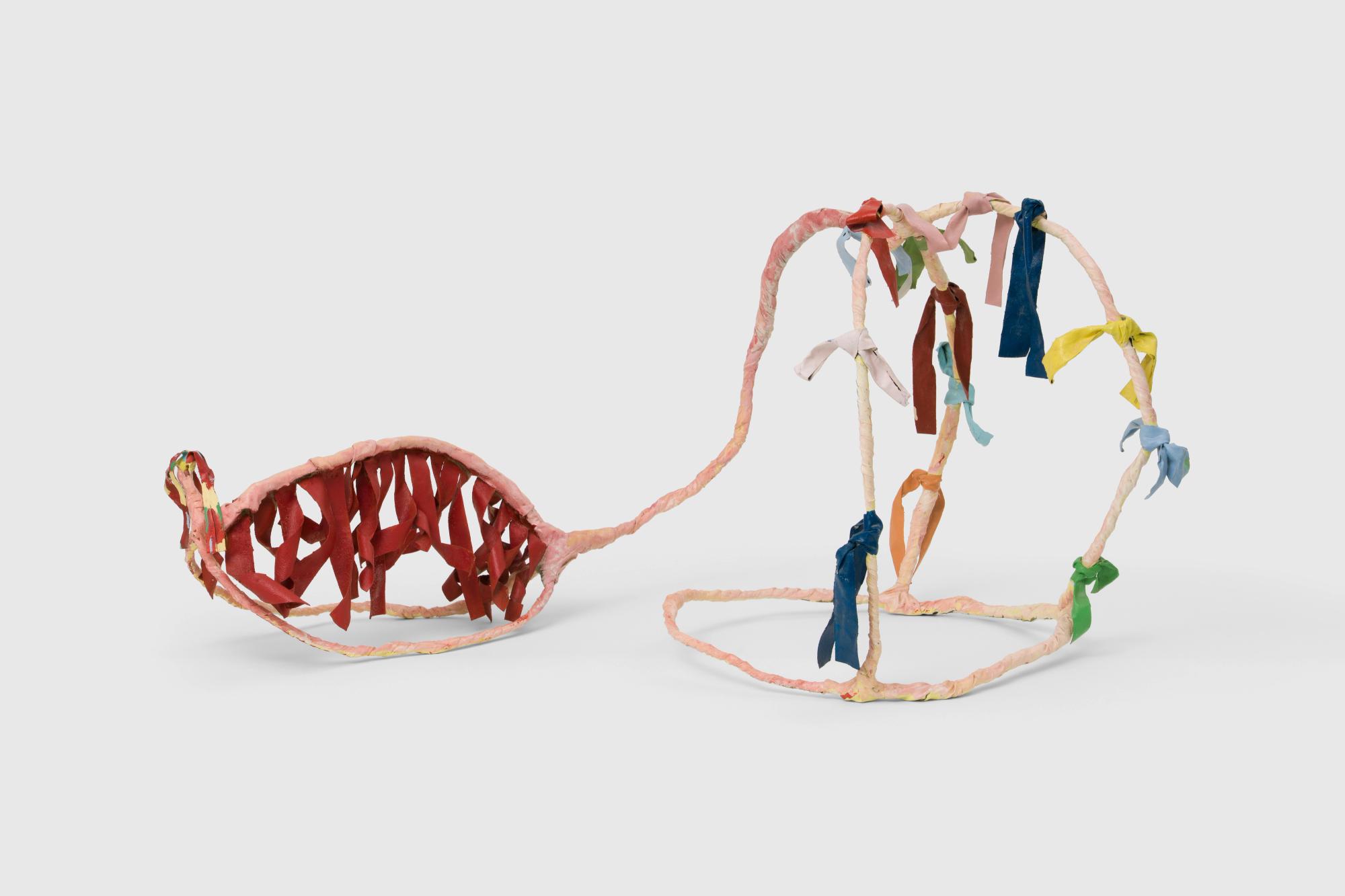
Ree Morton, Devil Chaser
Ree Morton, Devil Chaser
Wire and enamel on celastic and wood
20.5 x 46 x 21 inches
1975
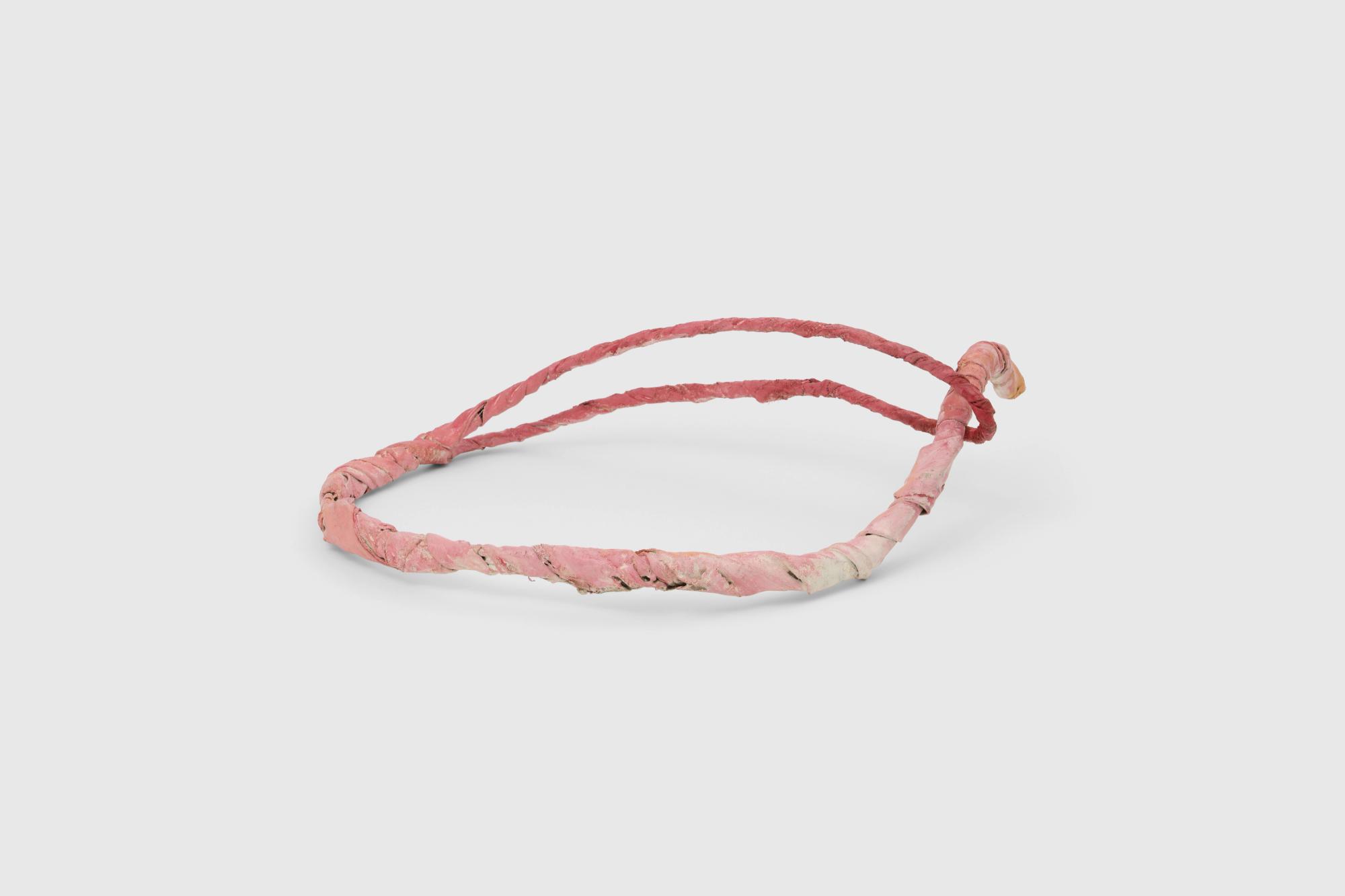
Ree Morton, Untitled (from the amputation of the Devil Chaser Tail)
Ree Morton, Untitled (from the amputation of the Devil Chaser Tail)
Celastic and enamel on wire
5.25 x 16 x 23 inches
1976
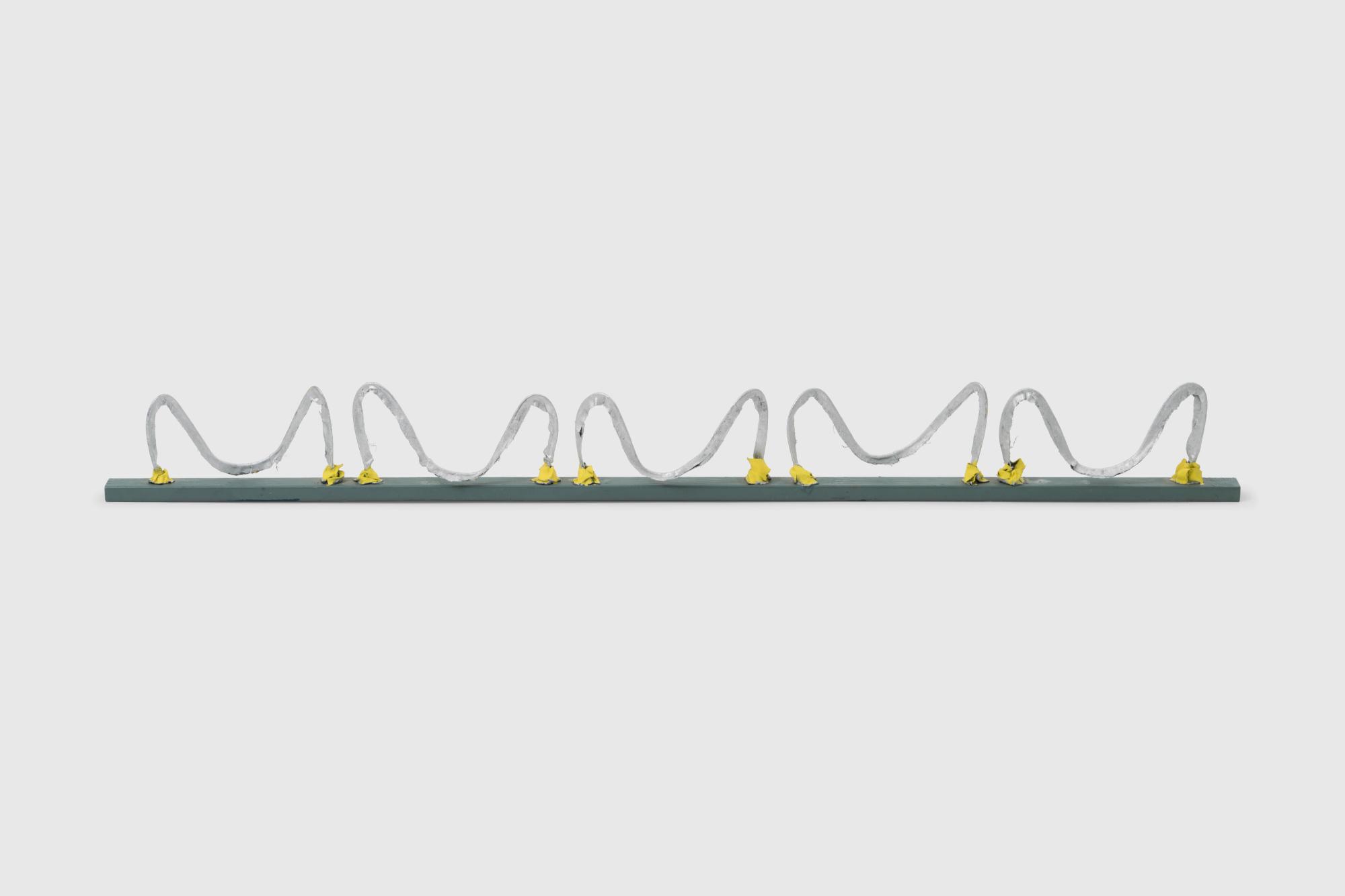
Ree Morton, Untitled
Ree Morton, Untitled
Celastic and enamel on wire, wood, nails
Each: 5.75 x 2 x 53 inches
1975
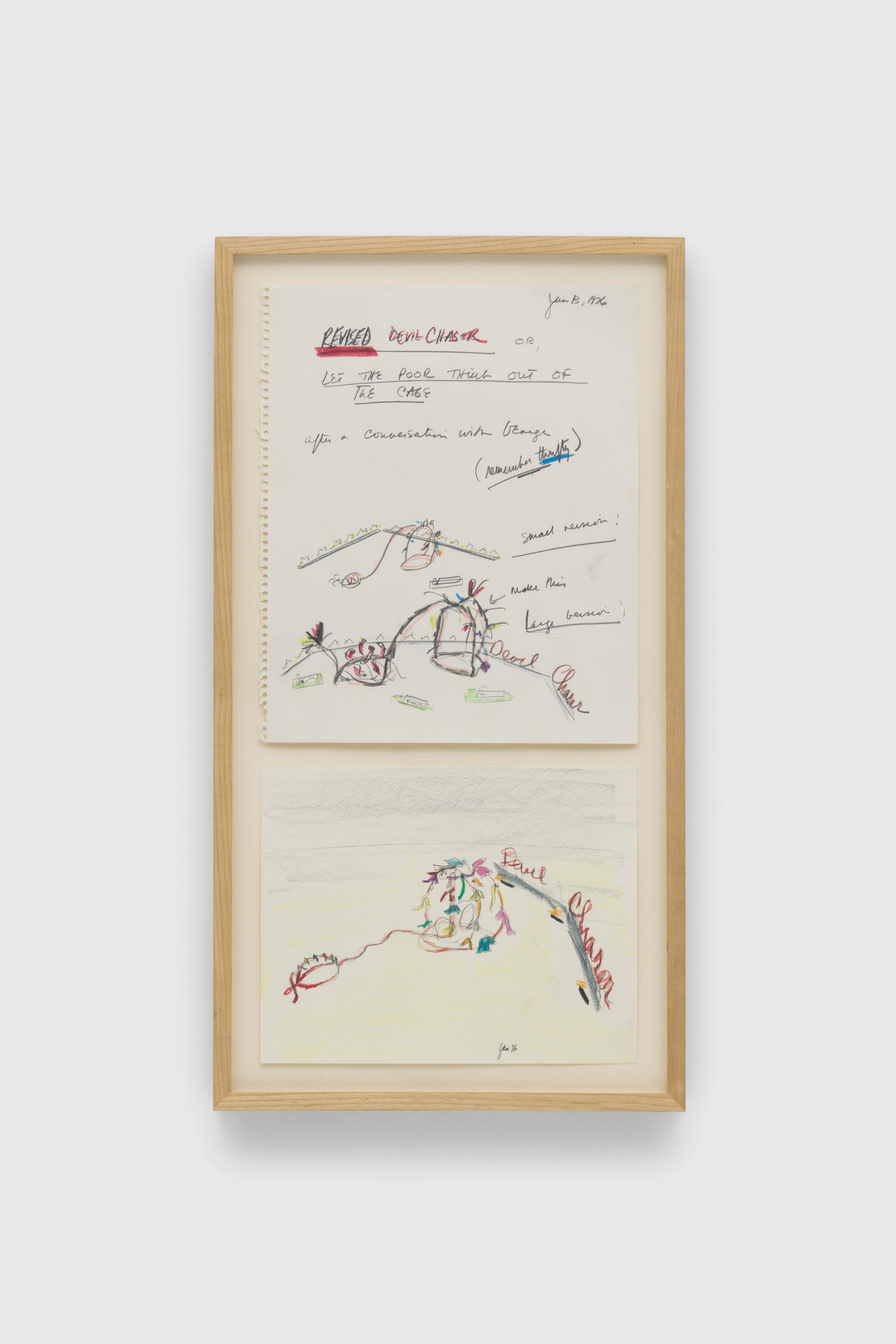
Ree Morton, Devil Chaser
Ree Morton, Devil Chaser
Crayon and pencil on two sheets of paper
17 x 14 inches; 11 x 14.5 inches; 32.25 x 17.5 x 2 inches framed
1976
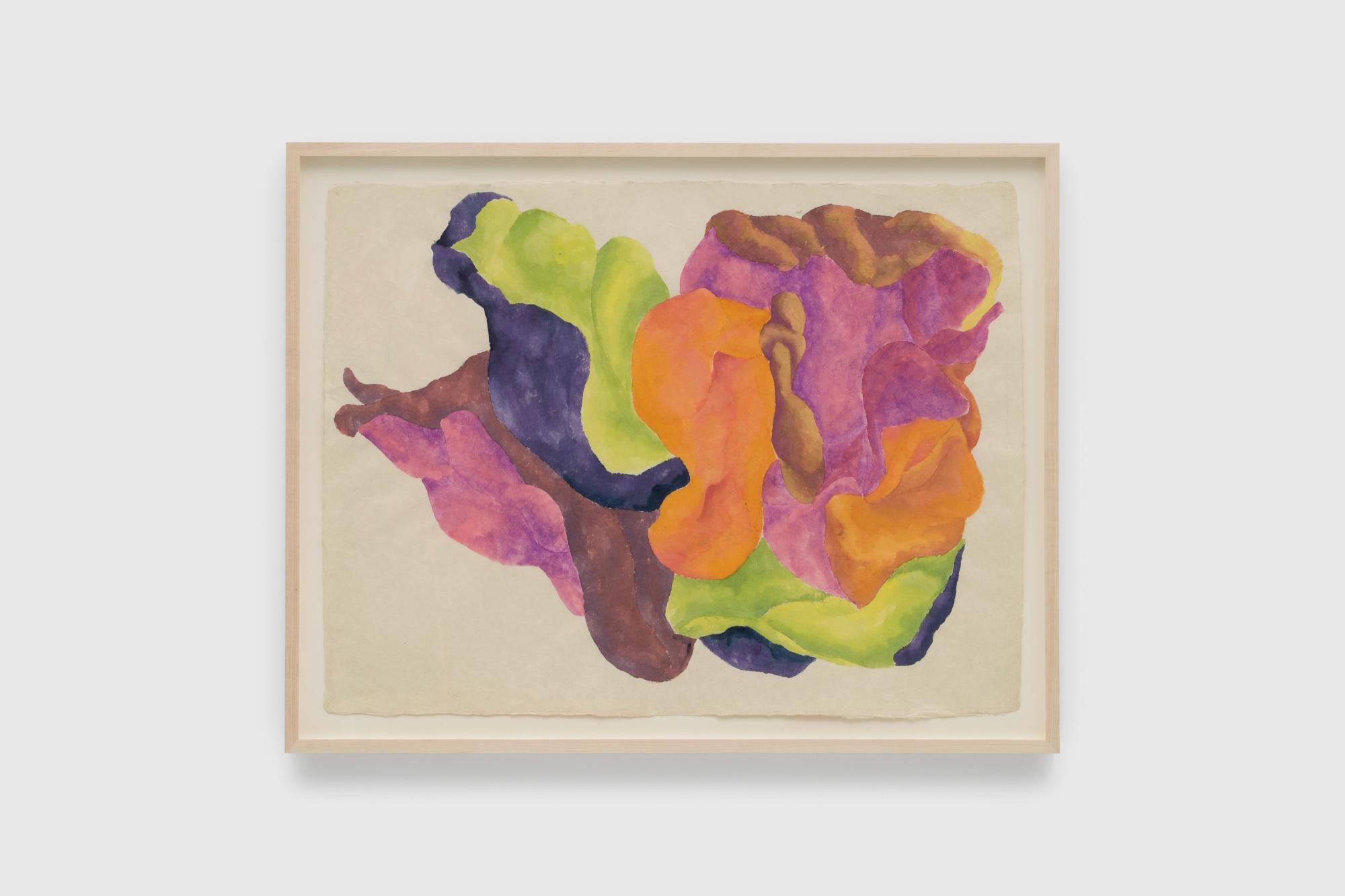
Rosemary Mayer, Untitled Floral Form
Rosemary Mayer, Untitled Floral Form
Watercolor on paper
26 x 20 inches; 23 x 29 x 1.5 inches framed