Deondre Davis
Frieze New York
Frieze New York
May 13–May 17, 2026
Gordon Robichaux is pleased to present a solo booth of Deondre Davis’s paintings and assemblage sculptures at Frieze New York in conjunction with the artist’s second solo exhibition at our gallery, Ark, on view May 10-June 21, 2026. Davis created this new body of work during his recent residency at the Chinati Foundation in Marfa, Texas, surrounded by serial structures, architectural interventions, and the desert’s colors, textures, and vast spatial expanse.
Our Frieze presentation and exhibition at Gordon Robichaux feature paintings incorporating graphite, gouache, and oil on unprimed canvas, each no larger than 30 by 40 inches, a series of related colored pencil drawings on paper, as well as a site-responsive installation of sculptures. Davis’s practice is rooted in what he describes as “system-driven logic,” and the foundation of his paintings and drawings is generally a graphite grid, which he maps across the surface of paper or unprimed canvas. The grid functions as a structure onto and against which the artist builds a layered composition of geometric shapes, filled with areas of translucent and opaque color—Ash Yellow, Olive Green, Copper, Warm Grey, Ash Blue, Quinacridone Rose, Warm Yellow—applied with gouache and oil paint.
Davis’s abstract works evince a generative tension between rational forms and processes and the artist’s intuition, imagination, and embrace of imperfections: lines of varied weights waver and stray from strict perpendiculars, while color exceeds enclosure, and smudges or uneven applications of graphite and paint create interference. For Davis, repetition and seriality yield inconsistency and difference. He locates freedom and meaning within a narrow set of variables, a process which the artist calls “contemplative repetition.”
The exhibition’s title, Ark, references a container or place for safekeeping, and five of the stretched paintings are titled with the name of a defunct club, cafe, speakeasy, or bar that was once a site of refuge, activism, and performance for diverse queer communities between the 1920s and 1960s: Acme Bar (San Antonio), Clam House (Harlem), Cooper Do-nuts (Los Angeles), Joe’s Deluxe Club (Chicago), and Kitty Kat Club (Chicago). Davis explains,
Ark refers to both preservation and passage through time. The suite of paintings, drawings, and “redirected” objects within the exhibition reference historical queer social spaces, sites of gathering, survival, and (in)visibility that have disappeared. These spaces are not depicted directly; they are invoked structurally. Each painting functions as an imagined floor plan, shaped by repetition, process, and fixed proportions rather than literal architectural renderings, while acknowledging the absence of direct representation. The works operate as records of lived space, transforming materials and refuse into protective forms of refuge.
Although Davis’s project recovers and enshrines queer histories, he enacts remembrance as a liberatory process of imagination. Intuitive mapping and geometry, repetition, and meditations on form and material generate new pathways of connection, movement, and freedom. The works’ tactility and imperfections reveal the artist’s process and imbue the works with life.
Davis’s sculptures, which he refers to as “redirected objects,” are elements of industrial hardware—among them, sections of metal pipe, cable splitters, plumbing fittings, and an aluminum heatsink from an electronic device—which the artist collected and embellished with artificial eyelashes and cowrie shells. The assemblages evoke totems with a ritual function—sacred symbols of protection, community, and history that Davis installs in response to the gallery’s architecture: near the ceiling, within a corner, or adjacent to an electrical outlet. The sculptures merge the semiotics of infrastructure—systems of constraint, passage, movement, and circulation—with the human body and natural world. Throughout, Davis’s sensitive objects, paintings, and drawings conjure presence and memory—experiences and histories shaped, held, and transmitted by materials and space.
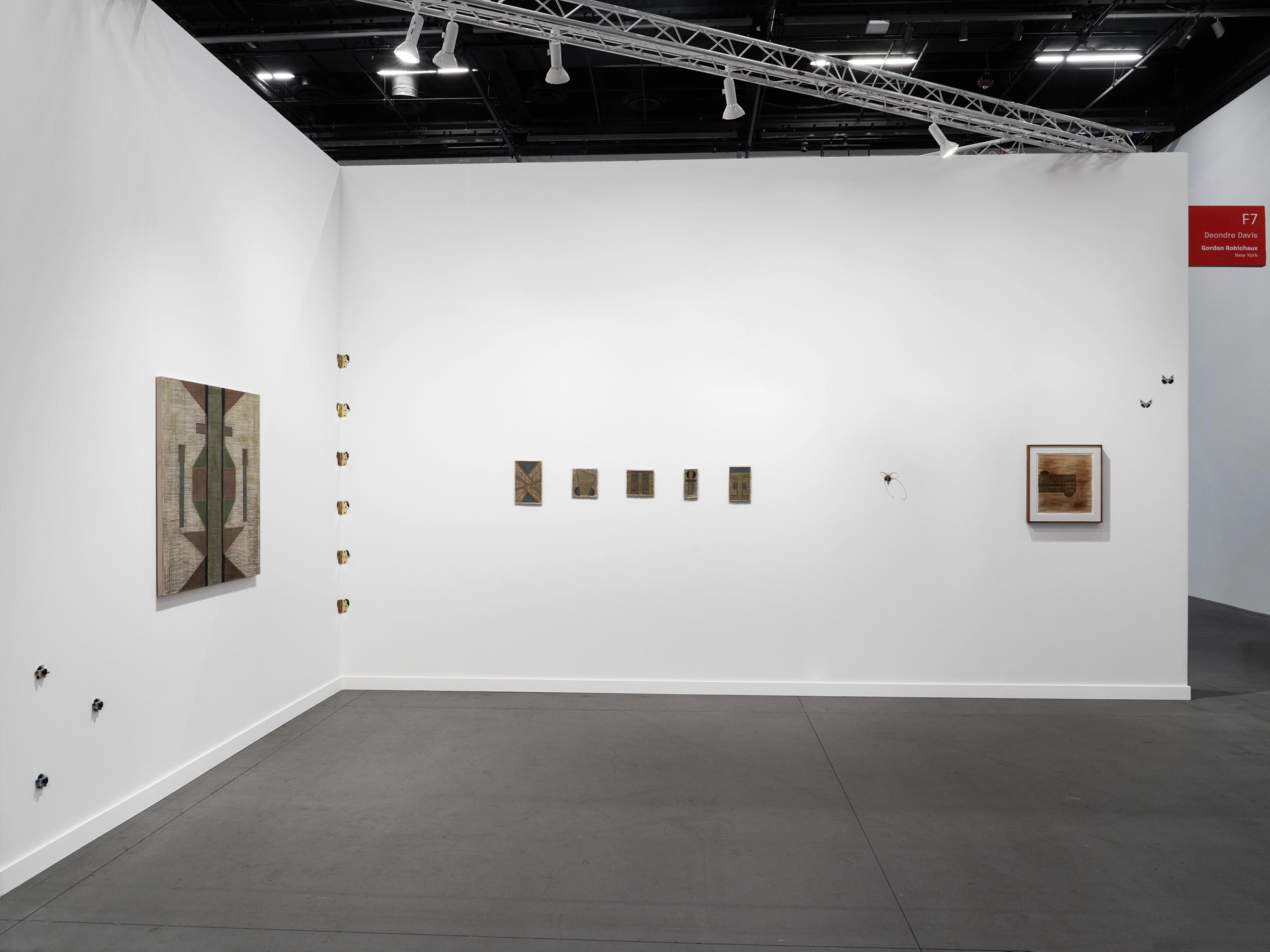
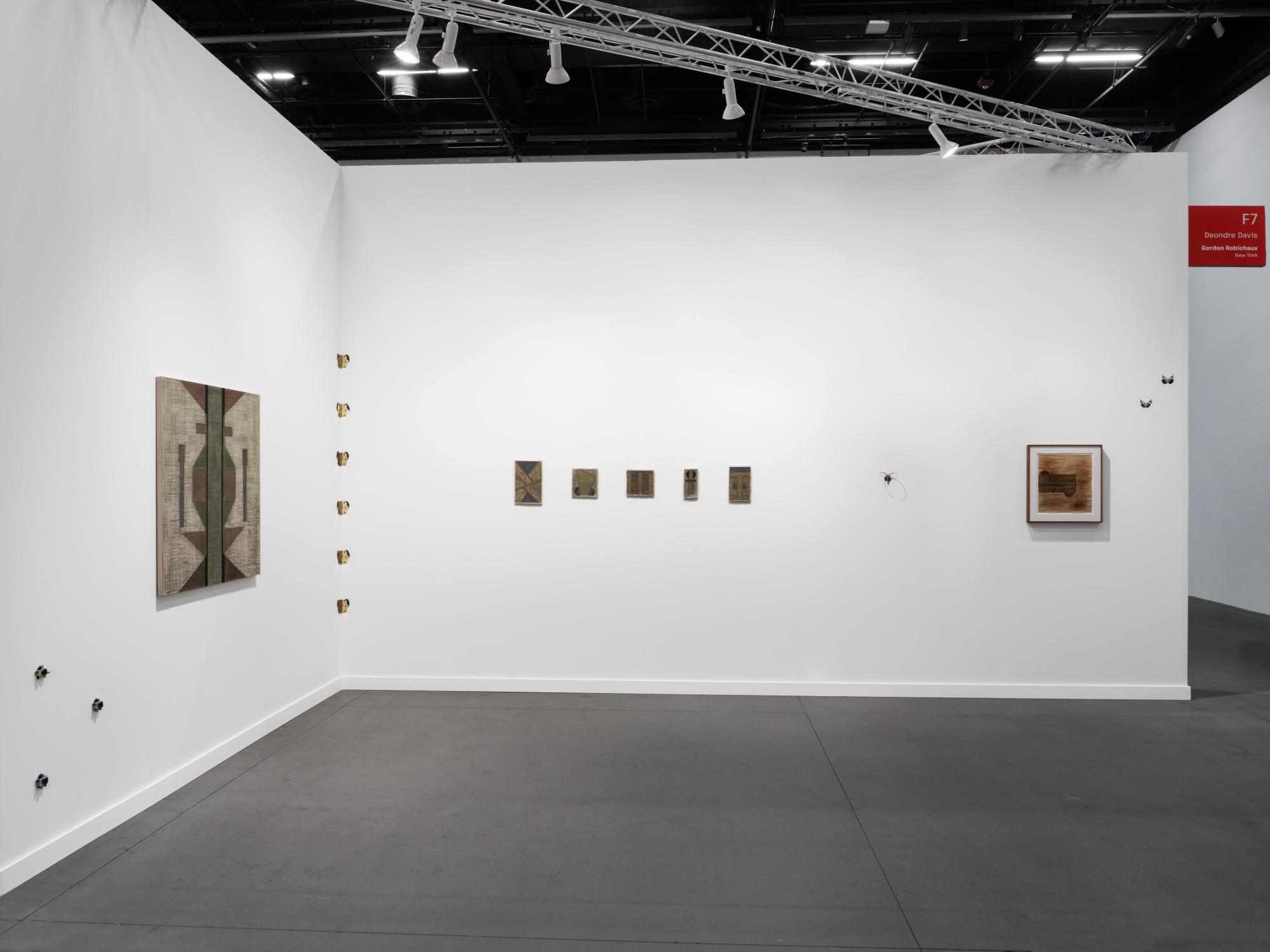
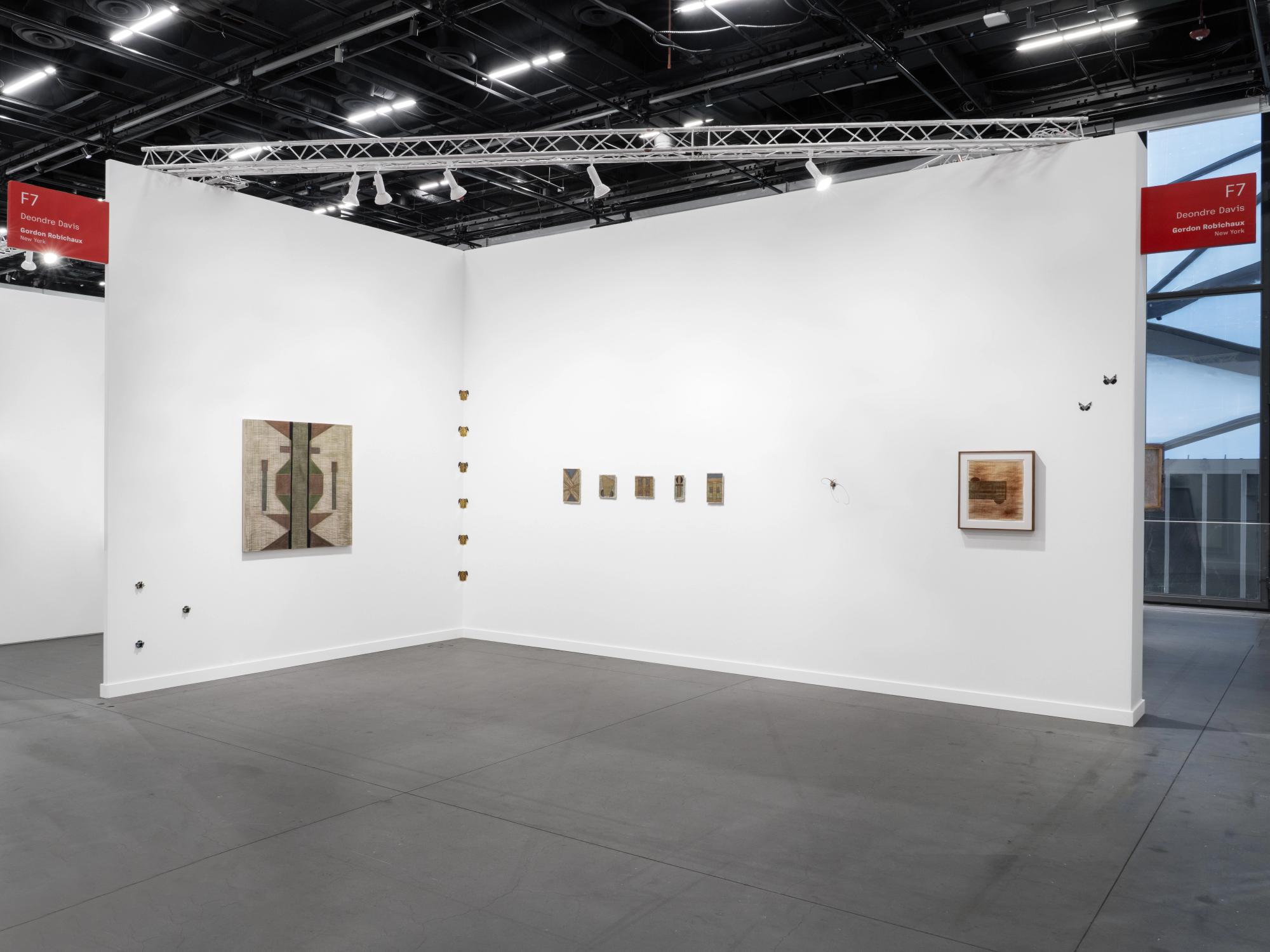
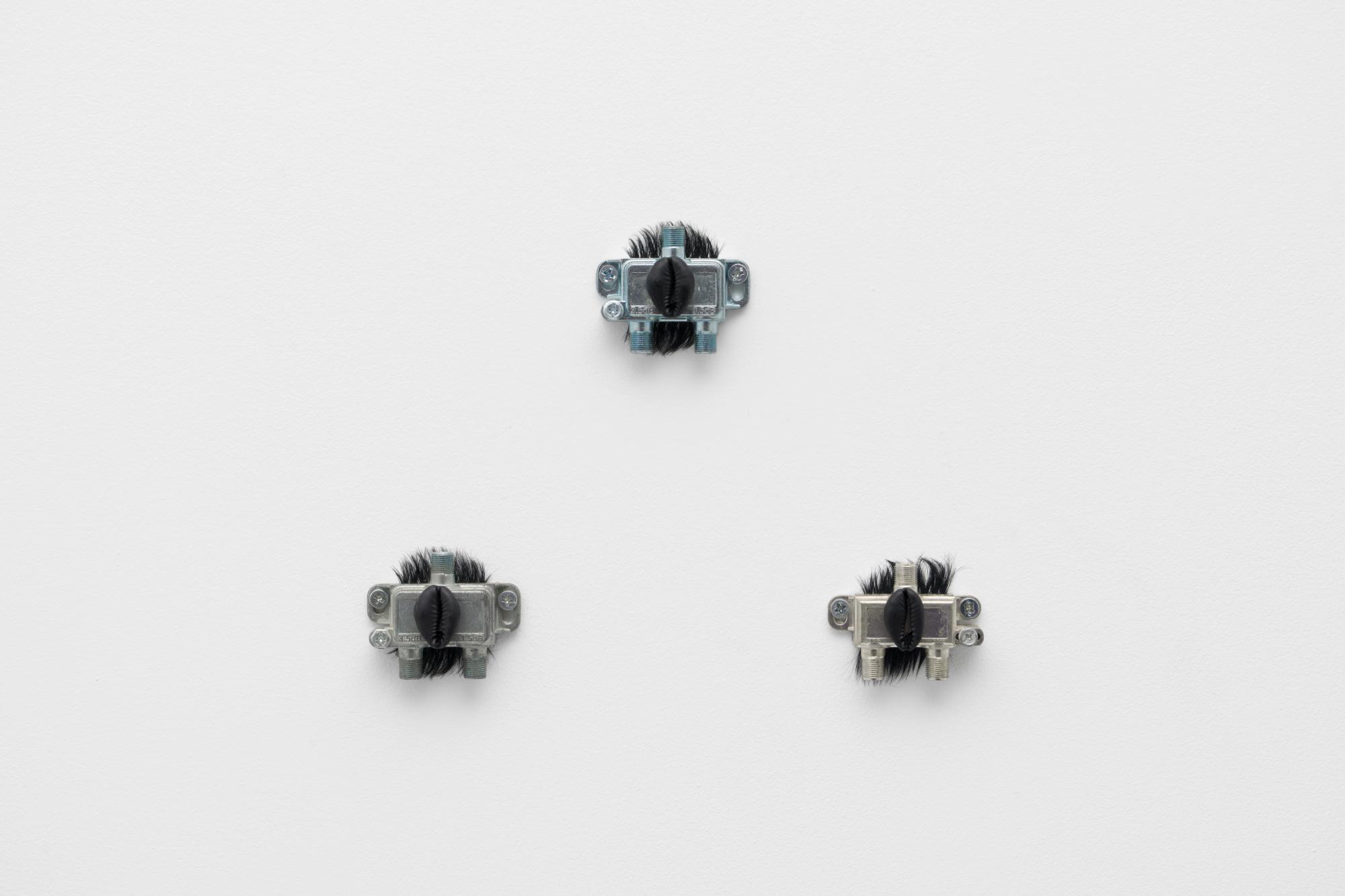
Untitled, 2026
Found objects, artificial eyelashes, cowrie shells, epoxy, screws
Dimensions variable; each element: 2 x 2.1325 x 1 inches
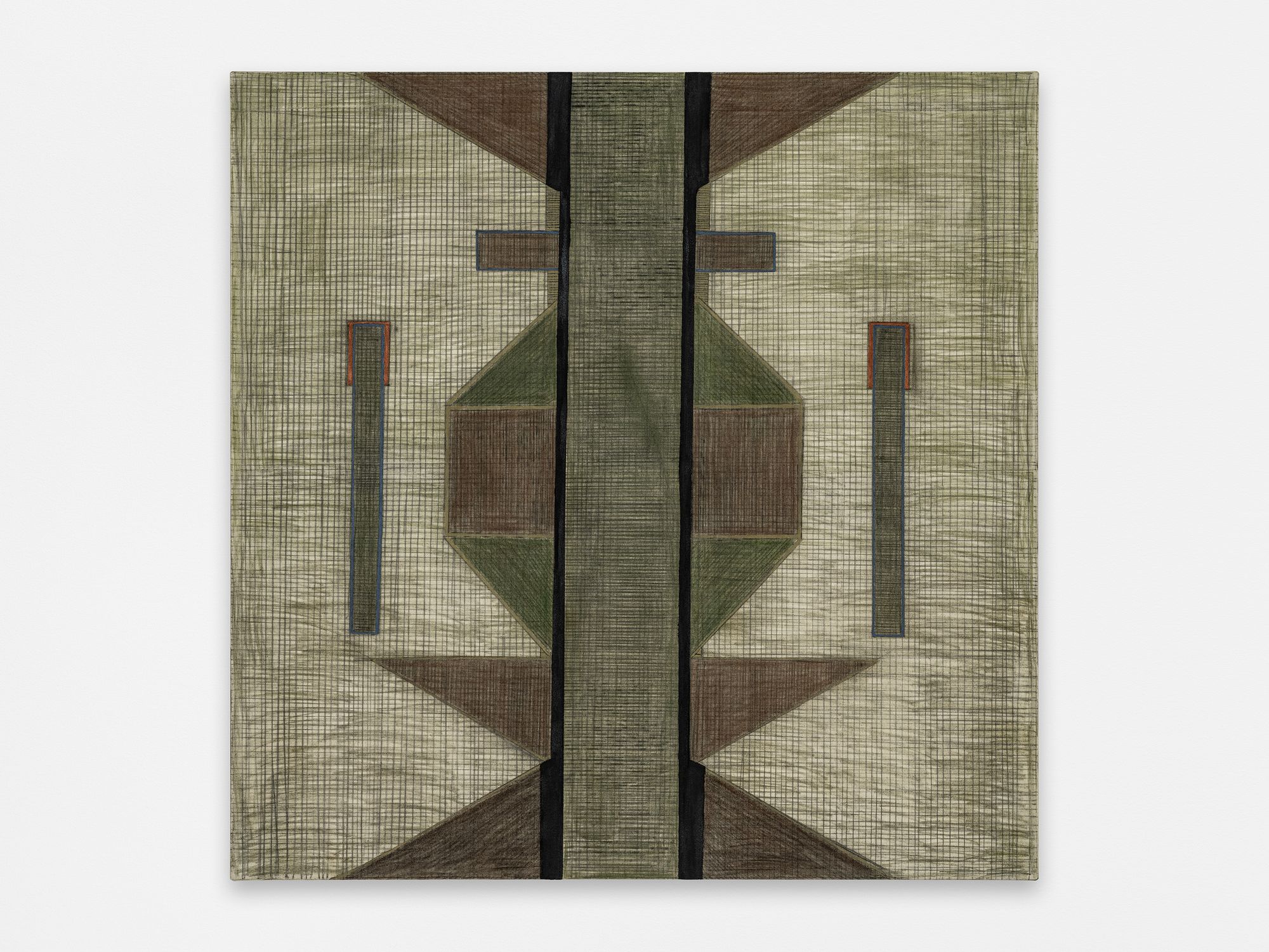
The Choke, 2025
Graphite, gouache, and oil on canvas
40 x 40 x 1.5 inches
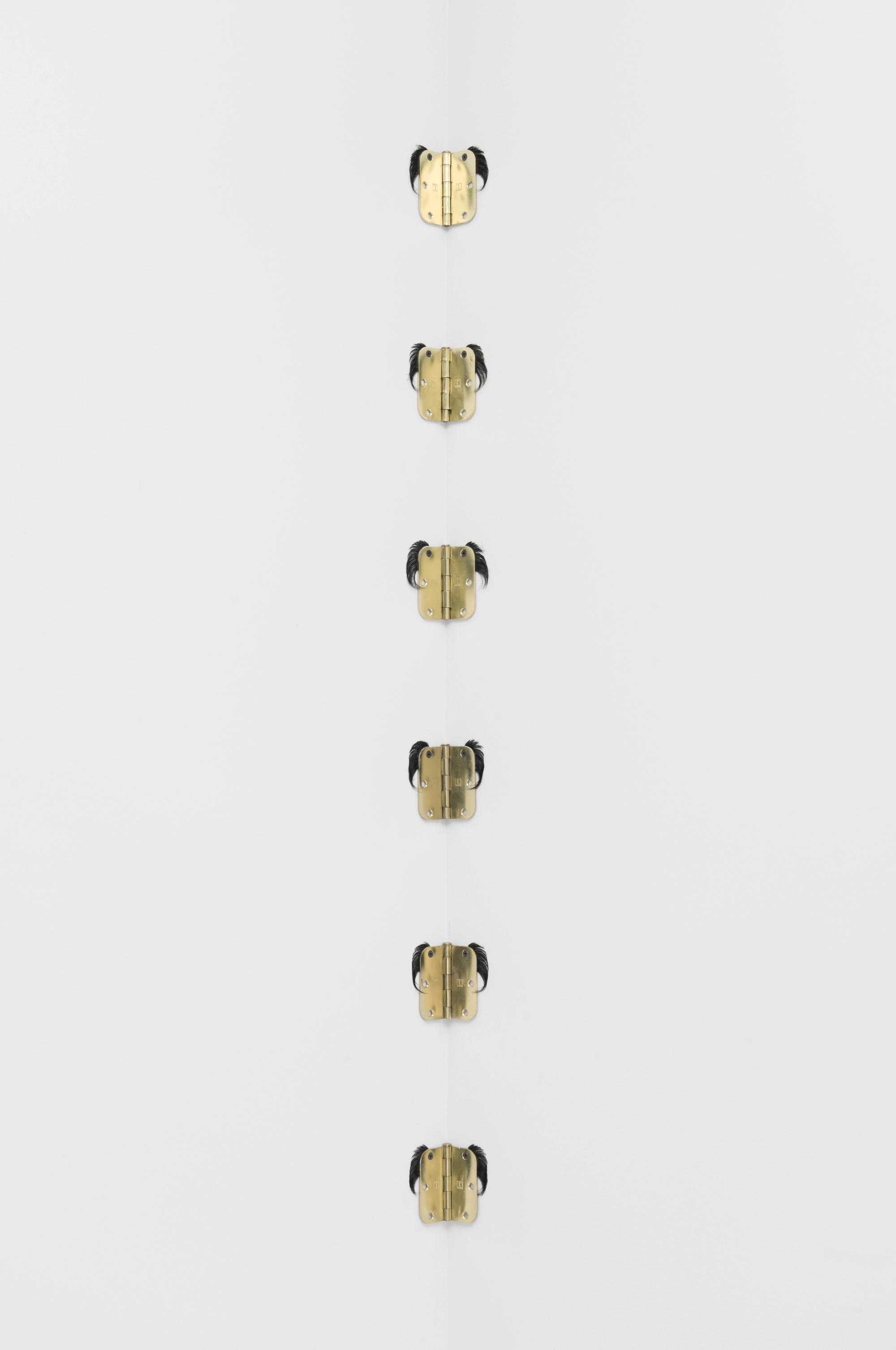
Untitled, 2026
Found objects, artificial eyelashes, epoxy, screws
Dimensions variable; 51 inches as installed, each element: 3.625 x 2.625 inches
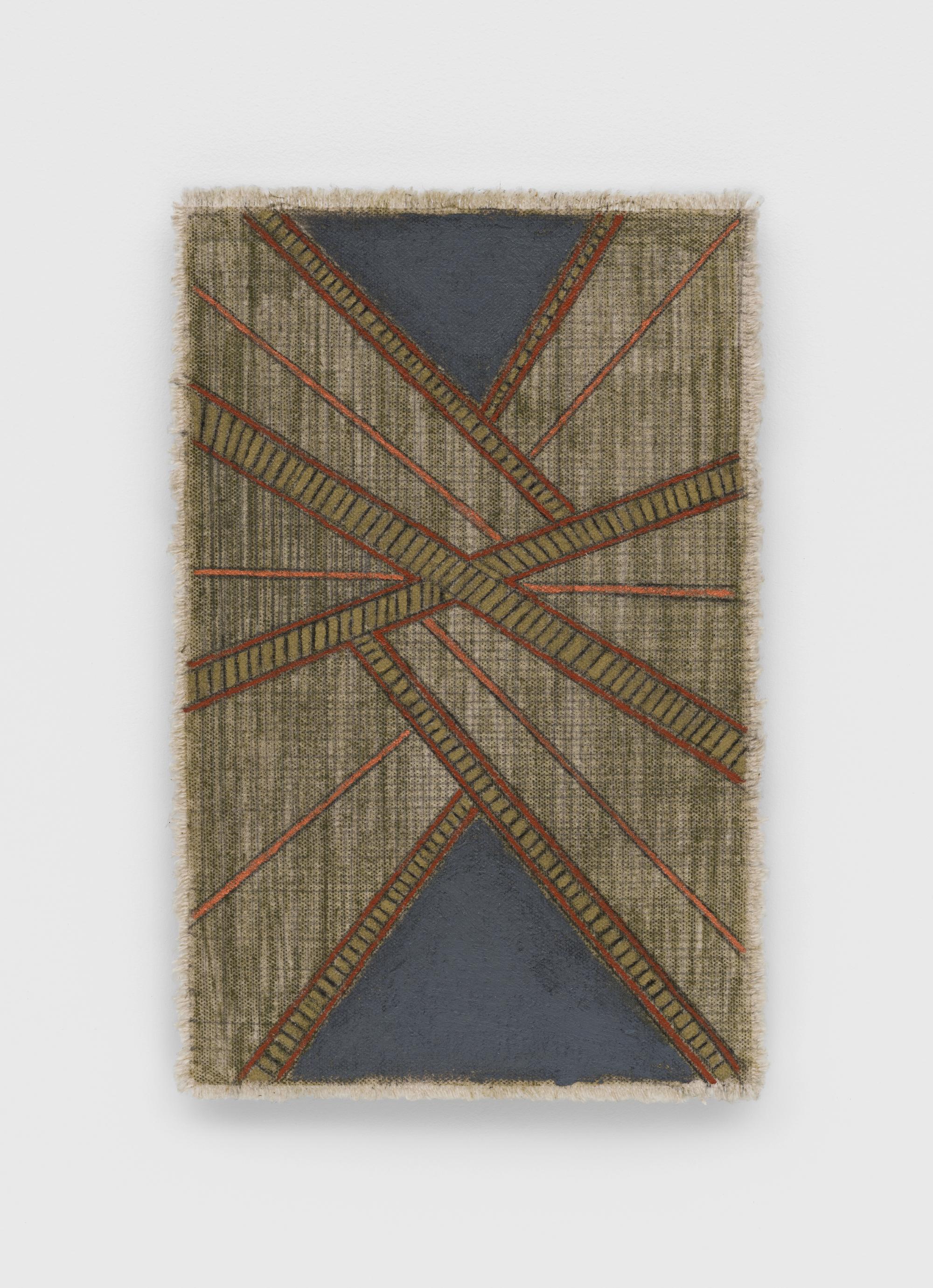
Annex, 2026
Pencil, gouache, and oil on canvas mounted to wood panel
11.75 x 7.75 x .375 inches
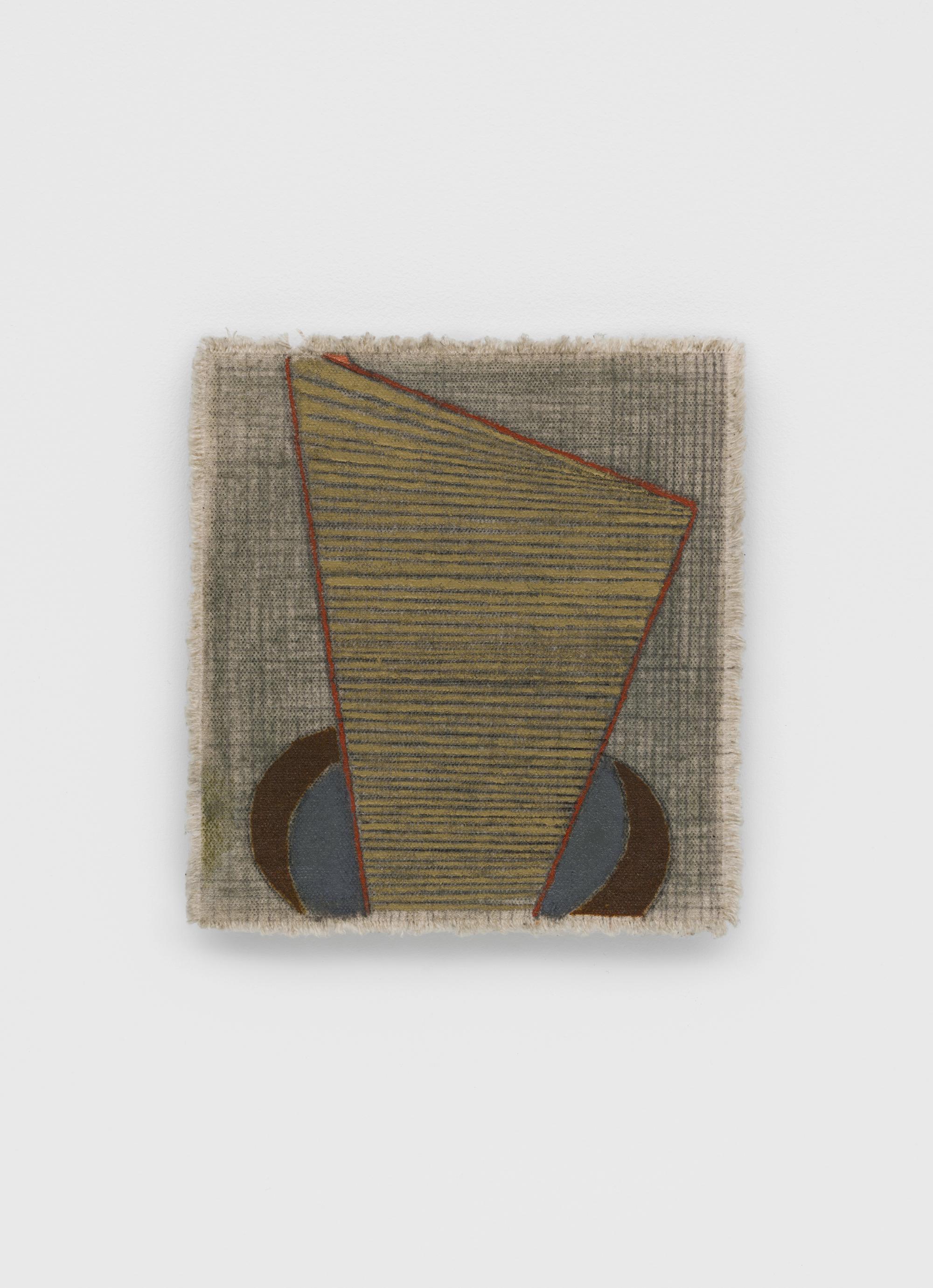
Cellar, 2026
Pencil, gouache, and oil on canvas mounted to wood panel
7.5 x 7.25 x .375 inches
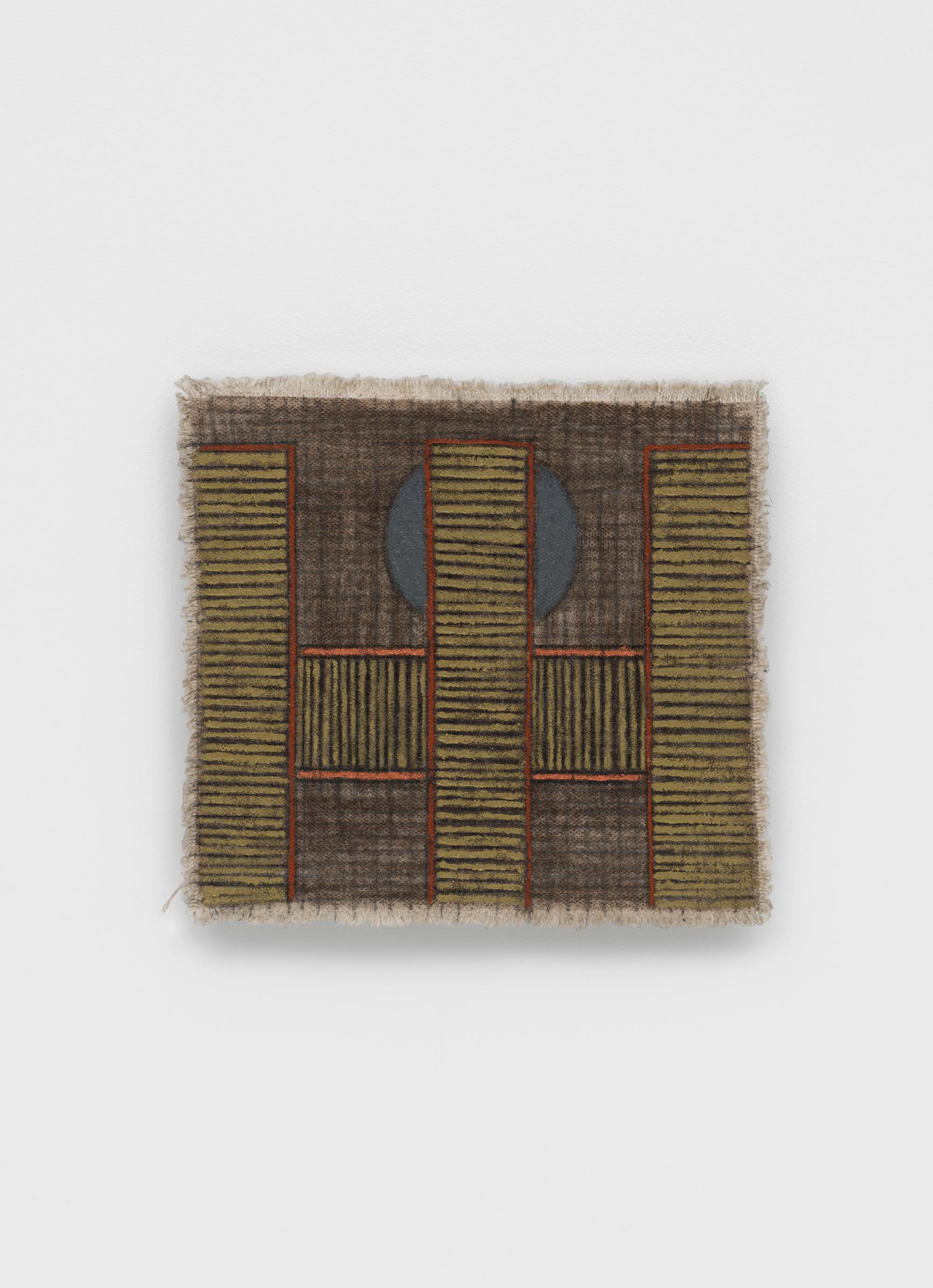
Q Mansion, 2026
Pencil, gouache, and oil on canvas mounted to wood panel
7 x 7.5 x .375 inches
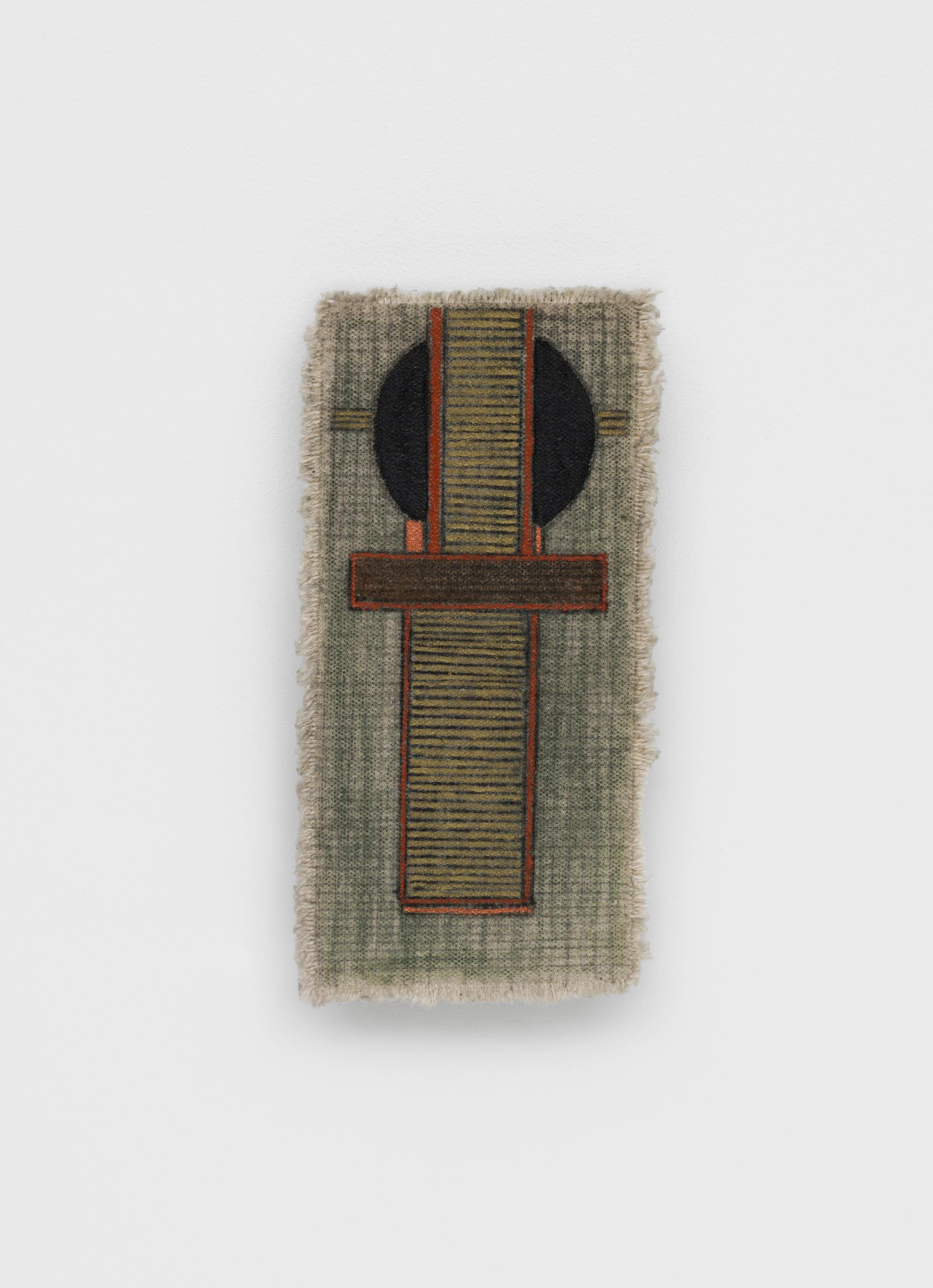
Tea Room, 2026
Pencil, gouache, and oil on canvas mounted to wood panel
7.75 x 4 x .375 inches
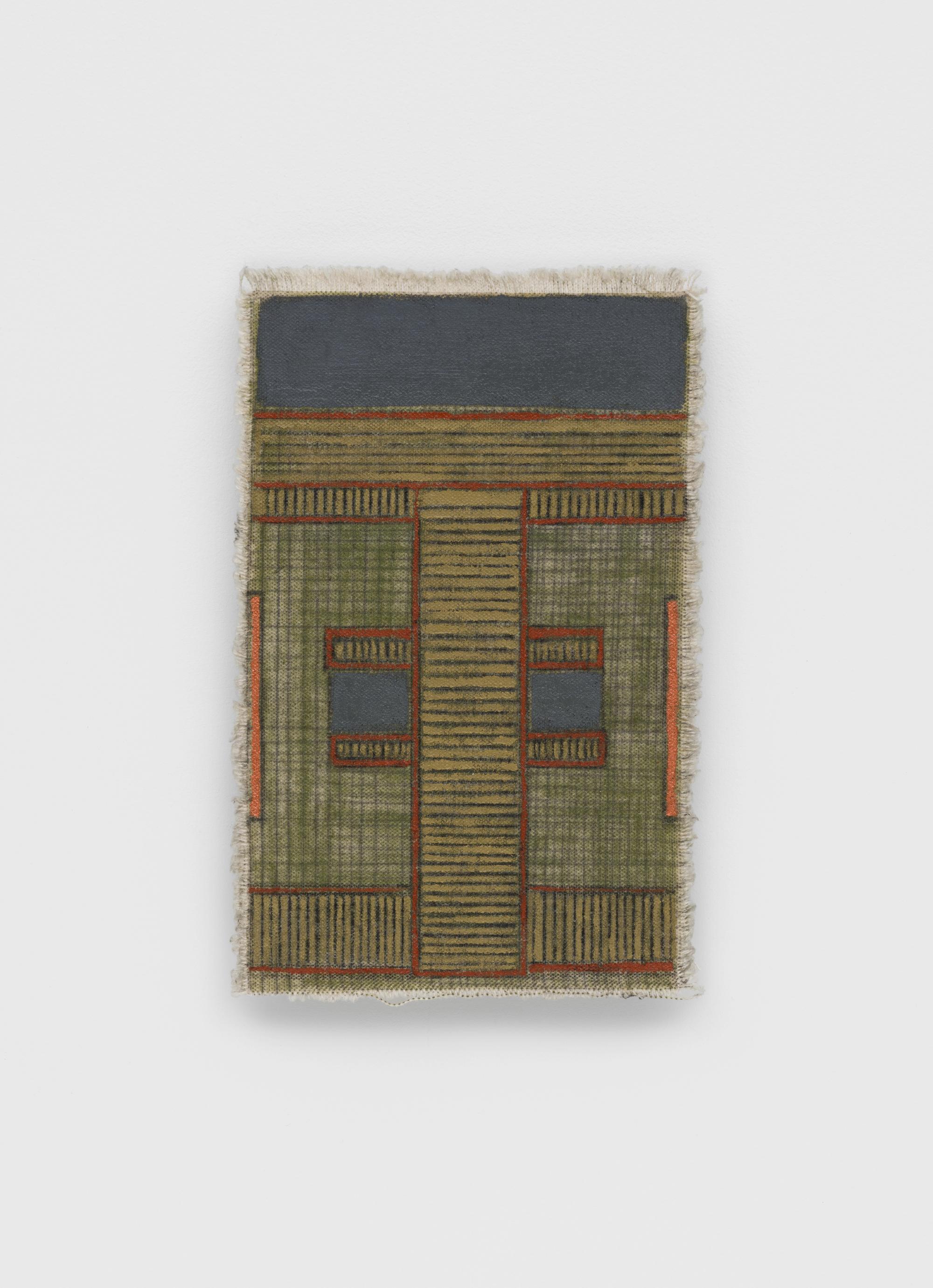
Blind Door, 2026
Pencil, gouache, and oil on canvas mounted to wood panel
9.5 x 6 x .375 inches
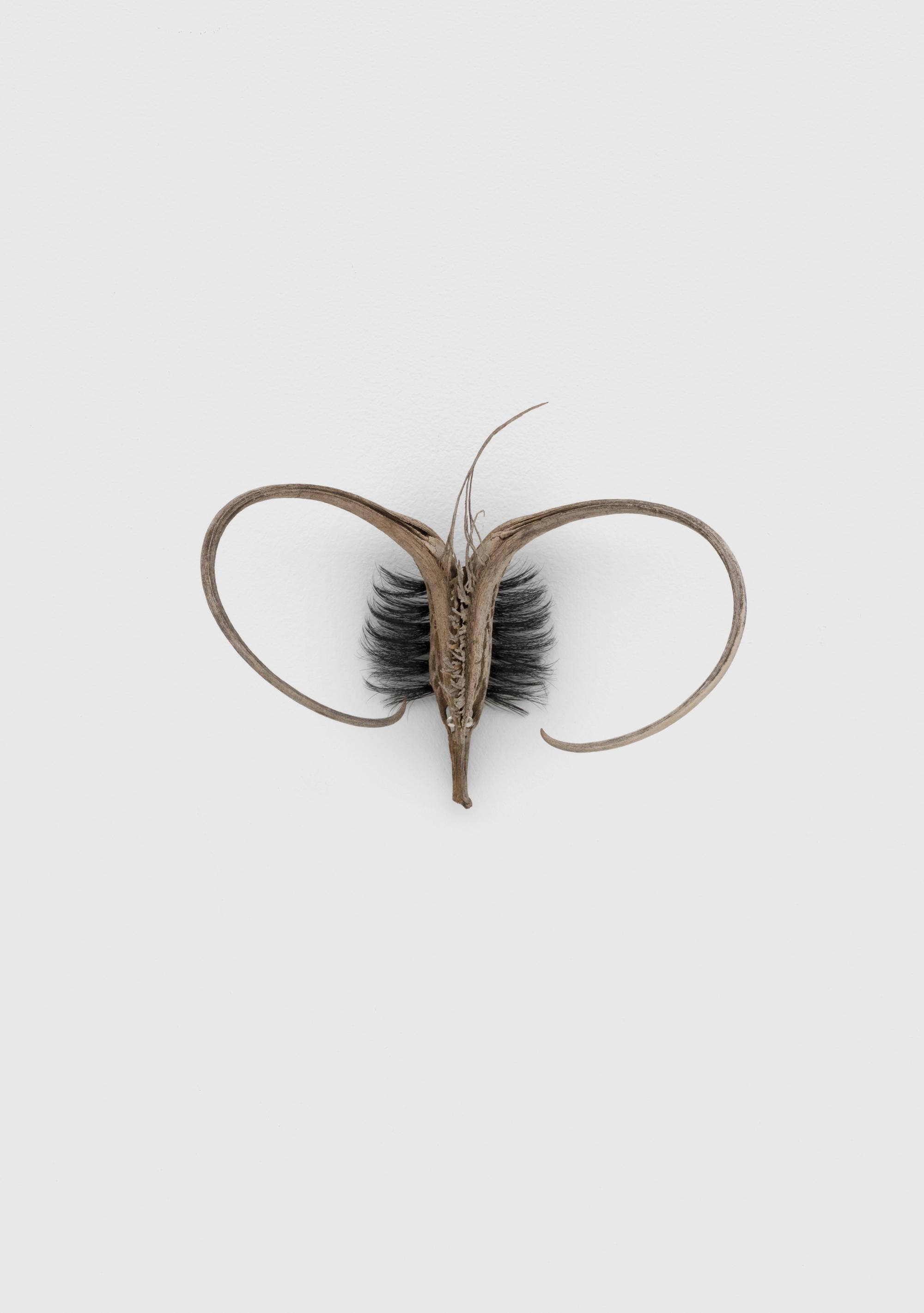
Devil's Claw, 2026
Found object, artificial eyelashes, epoxy, pins
4 x 4 x 5 inches
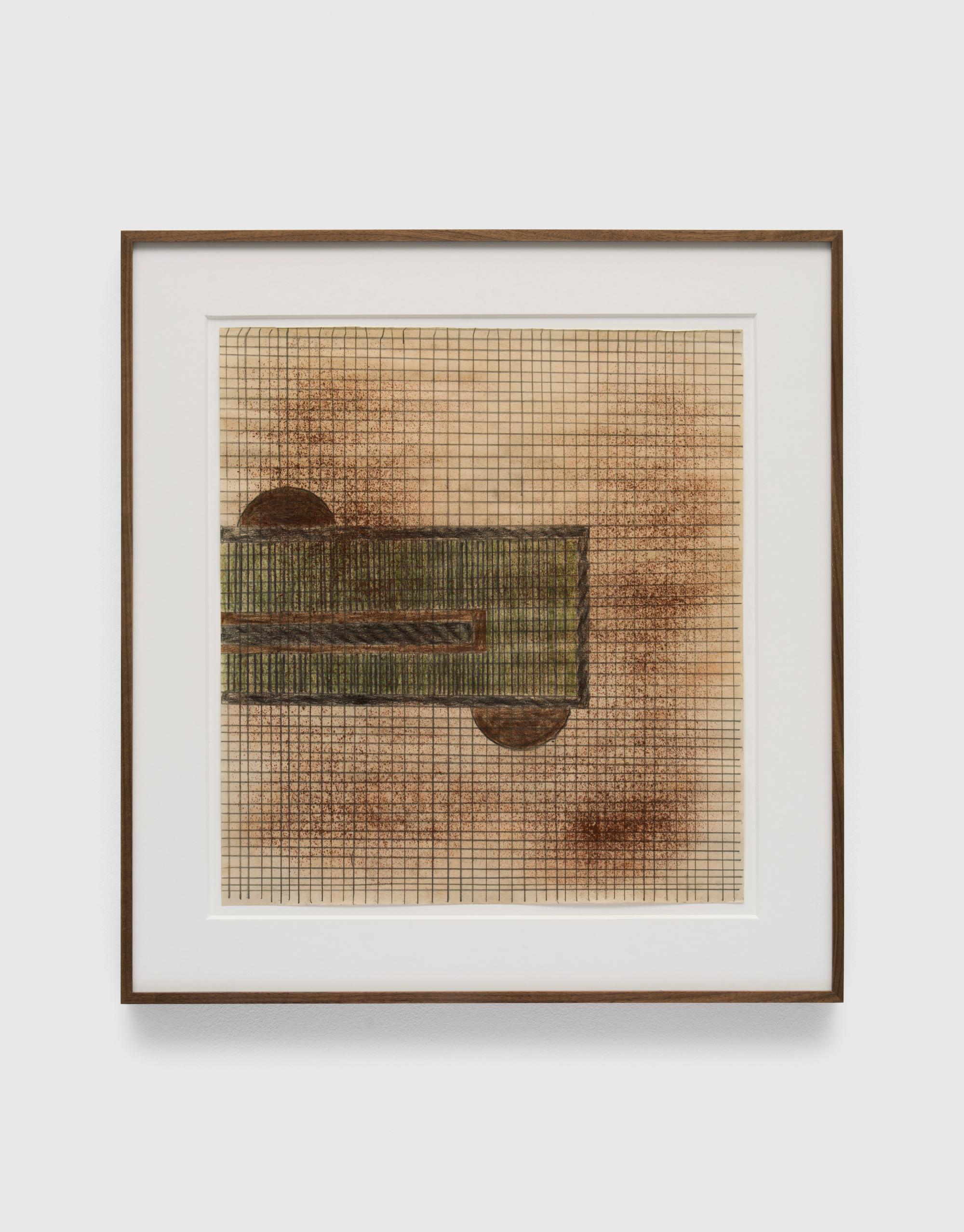
Untitled (Brick Dust) #2, 2026
Pencil and brick dust on newsprint
15 x 14 inches
19.25 x 20.75 x 1.5 inches framed
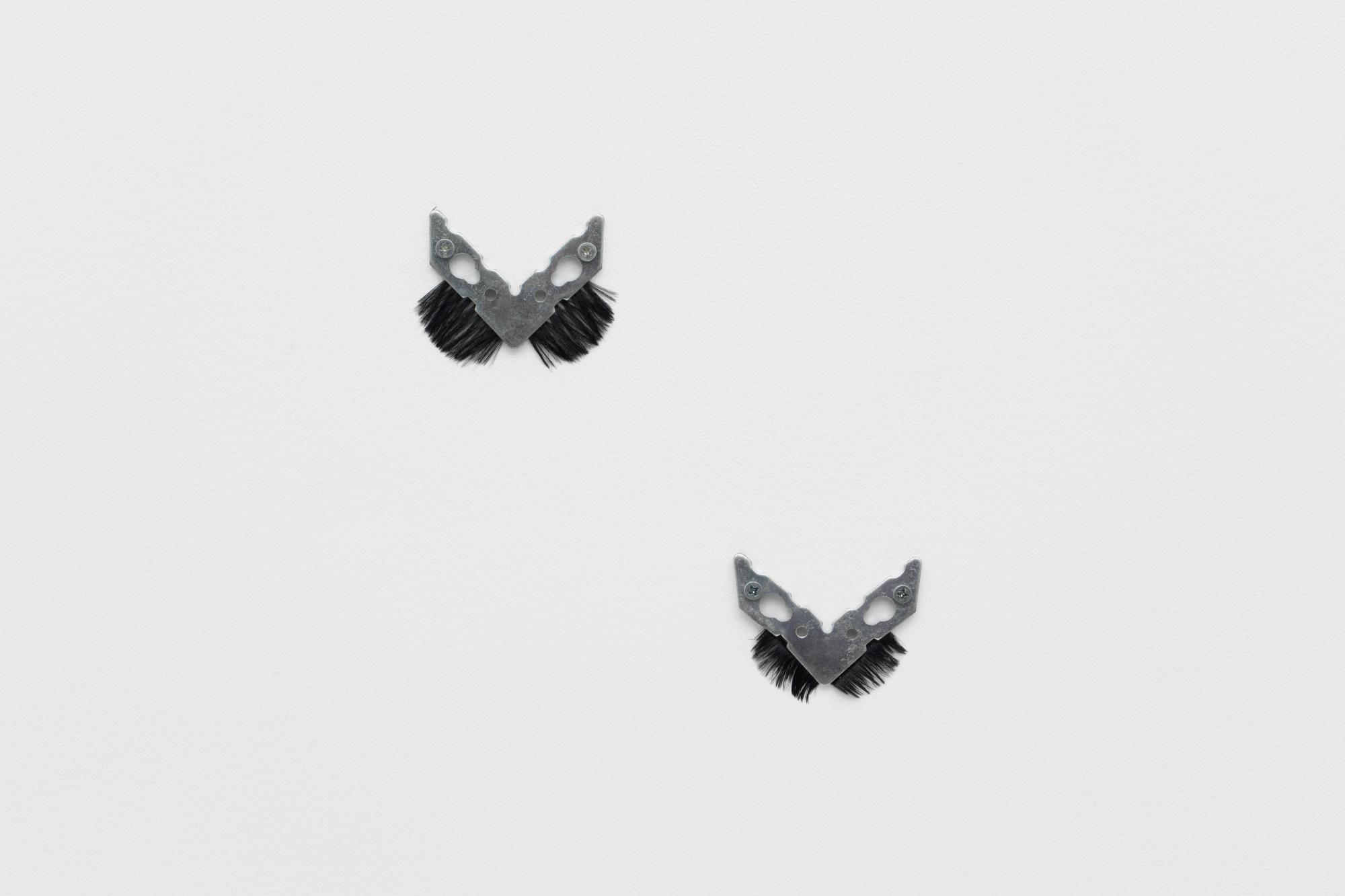
Untitled, 2026
Found objects, artificial eyelashes, epoxy, screws
Dimensions variable; each element: 3 x 3.5 x .125 inches
Exhibitions
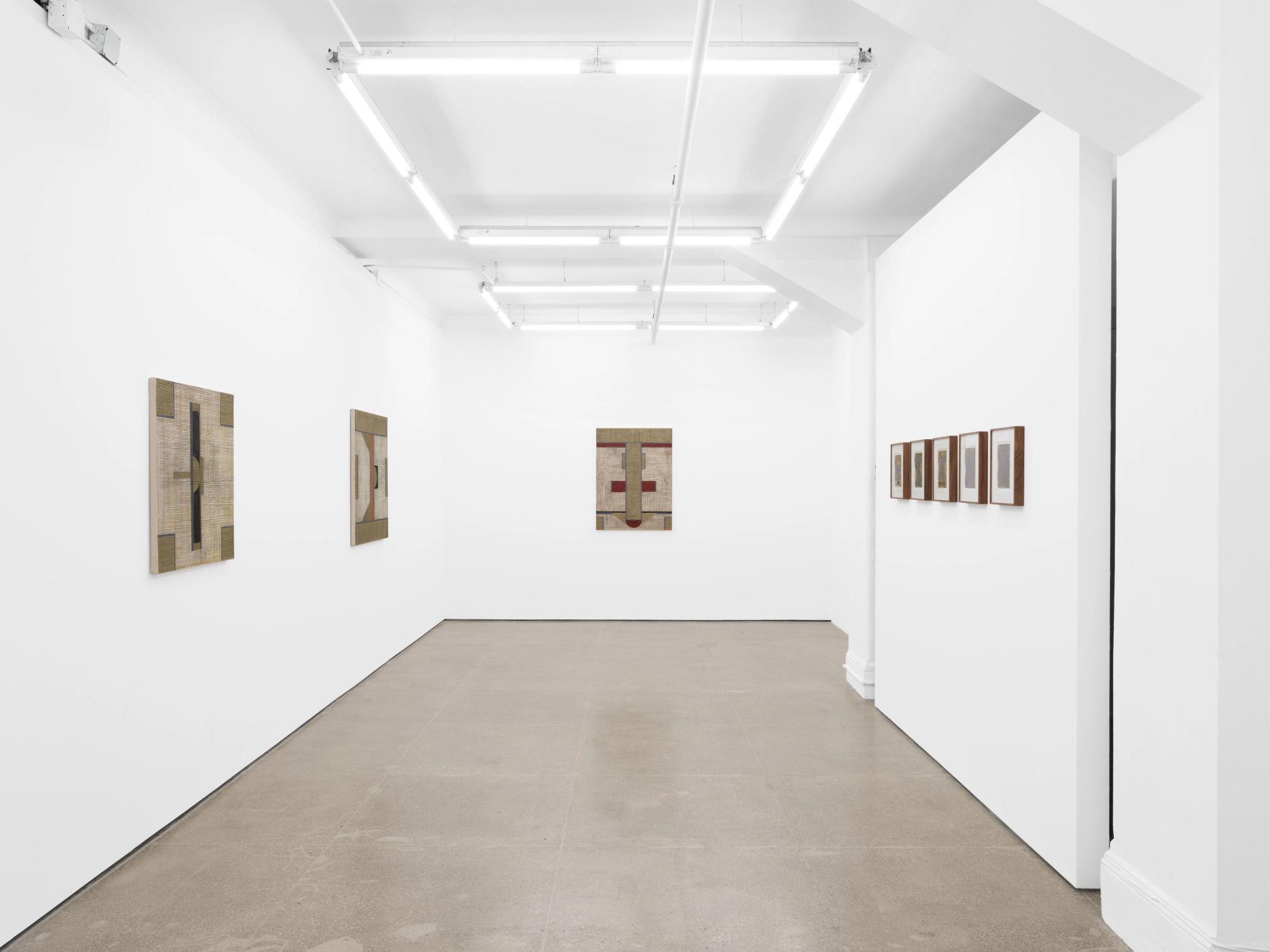
Deondre Davis
Ark
May 10–June 21, 2026
Press
Download PDF



